Why Choose Water Jet Cutting for Steel?
Water jet cutting steel uses a high-pressure stream, often mixed with abrasive, to cut plate and sheet without a torch or plasma arc. Because the process does not rely on a hot cutting edge, it can limit heat-related distortion and changes near the cut. That matters when a part has a narrow slot, a detailed profile, or a surface that should stay relatively cool. The waterjet head follows a programmed path, while the operator selects settings to suit the steel grade and thickness. Small details matter. Abrasive flow, nozzle condition, and cutting speed can all affect edge quality.
The method is not automatically the best choice for every job. Thick plate may need slower cutting, and a rougher edge or slight taper can require later finishing. Accuracy depends on the machine, material, setup, and stated tolerance—not just the cutting process. These limits deserve a clear review before production. A practical comparison should consider part geometry, required finish, batch size, and total processing time. For some steel components, water jet cutting steel offers a useful balance of precise shapes and reduced heat exposure. For others, another method may be more efficient. The right decision comes from matching the process to the part, then checking sample cuts against the drawing. That step is easy to overlook.
How Water Jet Cutting Processes Steel
Why Choose Water Jet Cutting for Steel?
How Water Jet Cutting Processes Steel
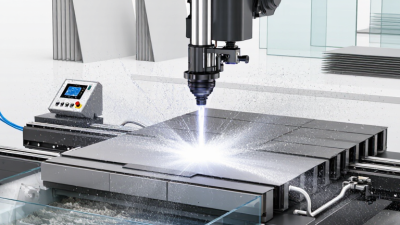
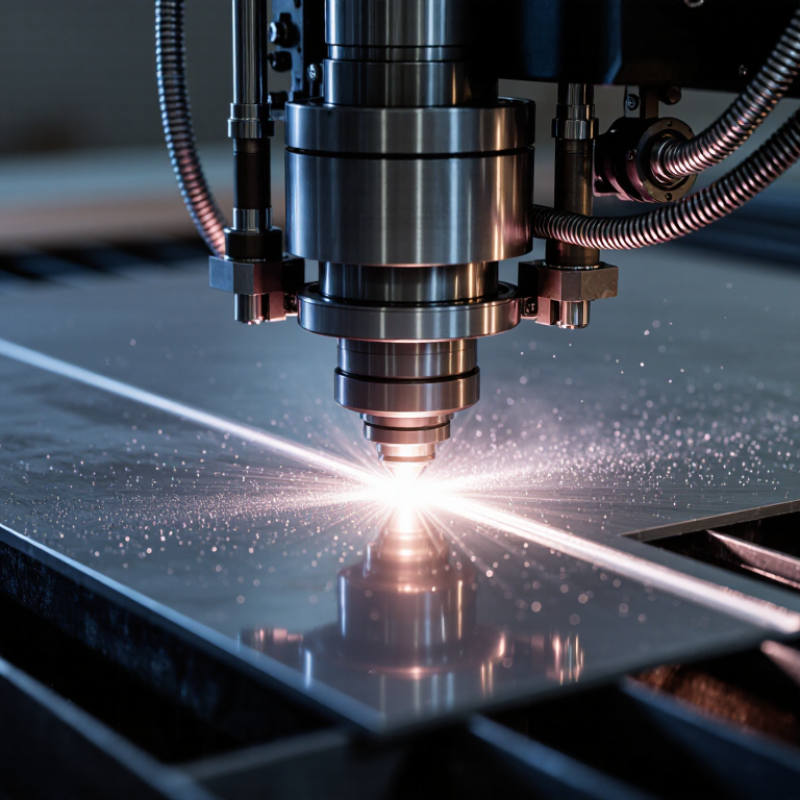
Steel waterjet cutting starts with a digital profile translated into a CNC tool path. A pump pressurizes water, and a nozzle focuses it into a narrow stream. For steel, abrasive garnet is usually added to help the stream erode the material. The WaterJet Technology Association describes industrial systems operating across roughly 30,000–90,000 psi. That pressure is concentrated at a tiny cutting point, not spread across the sheet.
The nozzle pierces the steel, then follows the programmed line at a controlled speed. Thick plate generally needs slower travel; thin sheet can be cut faster. The stream removes material mechanically, so the edge avoids the heat-affected zone associated with thermal cutting. The World Steel Association reported 1,888.2 million tonnes of crude steel production in 2023, underscoring the scale of steel processing needs. That figure does not prove waterjet is best for every job.
In practice, operators check material thickness, abrasive flow, nozzle wear, and pierce location before running a full sheet. Small setup errors can leave a tapered edge or rough corner. It is precise, but not effortless. Waterjet also uses water and abrasive, and disposal needs planning. The cut quality depends on the machine, settings, and steel itself. A trial cut is often the sensible check.
Advantages of Water Jet Cutting for Steel
Why Choose Water Jet Cutting for Steel?
Advantages of Water Jet Cutting for Steel
Abrasive waterjet cutting can shape steel without using a hot cutting edge. The WaterJet Technology Association’s technical guidance describes industrial operating pressures around 55,000–90,000 psi. That force drives abrasive through thick plate and intricate profiles. Because the process does not rely on a flame or arc, it avoids a heat-affected zone at the cut edge. This can reduce thermal distortion and preserve edge properties, especially when parts need close-fitting assembly or later welding. The cut can be cool. However, finish and accuracy still depend on steel thickness, abrasive flow, and machine setup.
Tips: Confirm the required edge finish before nesting parts. Ask for a test cut on the same steel grade and thickness. Check for taper on thick sections; waterjet cutting is not automatically the cheapest option for every job.
For shops handling stainless, carbon, or tool steel, the method offers flexible geometry with little need for heat-related rework. Narrow cuts can also help reduce wasted material in dense layouts. Yet abrasive use, cutting speed, and disposal add operating costs. A practical quote should compare total part cost, not just cutting time. Keep the steel flat and securely supported, and inspect the first finished edge under good lighting. Some trade-offs remain.
Why Choose Water Jet Cutting for Steel? — Advantages of Water Jet Cutting for Steel
| Dimension |
Water Jet Cutting for Steel |
Practical Advantage |
Important Consideration |
| Heat input |
Abrasive waterjet removes steel mechanically, without using a flame or laser to melt the material. |
It avoids a thermally generated heat-affected zone and helps preserve heat-sensitive material properties near the cut. |
Mechanical stresses and the condition of the starting material can still affect the finished part. |
| Material compatibility |
With suitable abrasive and process settings, waterjet systems can cut many steel types, including carbon and stainless steel. |
The same cutting process can handle a range of steel grades and other materials, which can simplify mixed-material production. |
Cut quality and cutting rate depend on steel grade, thickness, abrasive, nozzle condition, and machine settings. |
| Thickness flexibility |
Waterjet systems can cut steel plate and sheet across a broad range of thicknesses, subject to machine capability. |
One process may suit jobs involving both thinner stock and substantial plate. |
Maximum practical thickness and production speed vary by equipment and required edge quality. |
| Cut geometry |
A narrow jet can follow programmed contours, including curves, holes, and intricate profiles. |
It supports detailed shapes and can reduce the need for secondary machining on suitable parts. |
Kerf width, edge taper, and achievable detail depend on material thickness, cutting speed, and setup. |
| Edge condition |
The process does not create a molten or flame-cut edge. |
It can help avoid thermal discoloration and heat-related edge changes; the required finish may be achievable directly from the cut. |
Some applications still require deburring or finishing, depending on the cut quality specification. |
| Part distortion |
Because the process does not rely on high-temperature melting, it limits thermal distortion during cutting. |
This can be useful for parts where heat-related warping or dimensional change is a concern. |
Clamping, residual stress, part geometry, and cutting sequence can also influence final dimensions. |
| Production trade-off |
Waterjet cutting offers a cold-cutting option for steel, especially when heat effects or material versatility matter. |
It can be a strong choice for prototypes, complex profiles, and parts with demanding thermal requirements. |
Compared with some thermal cutting methods, it may cut more slowly and uses water and abrasive; the best process depends on the job. |
Effects on Edge Quality and Material Properties
When steel is cut with an abrasive waterjet, the process removes material through a focused stream rather than a hot flame or arc. The edge therefore avoids the heat-affected zone commonly associated with thermal cutting. No thermal tint. Nearby steel retains more of its original hardness and microstructure, which can matter when parts need precise fitting or later machining.
Edge quality still depends on settings and material thickness. A fast traverse may leave visible striations, especially near the bottom of a thick plate. Slowing the cut usually improves the finish, but increases processing time. Not perfectly smooth. The kerf may also taper slightly, so critical dimensions should be checked at more than one point across the cut edge.
Waterjet cutting can reduce distortion because it adds little heat to the workpiece. That is useful for thin sections and components where flatness matters. Still, the result is not automatic: worn nozzles, poor support, or unsuitable pressure can affect consistency. A test cut on representative steel can reveal edge texture and dimensional variation before a full production run. One detail is easy to overlook: the desired finish may require a slower cutting pass than expected.
Why Choose Waterjet Cutting for Steel?
Abrasive waterjet cutting removes steel without using a heat-based cutting process, so it does not create a heat-affected zone (HAZ). Laser, plasma, and oxy-fuel cutting can thermally alter the cut edge; the extent depends on material grade, thickness, and cutting parameters.
How to read: This qualitative indicator uses 0 for no heat-generated HAZ inherent to the process and 1 for a HAZ being possible. Waterjet cutting avoids thermal edge effects, but edge finish still depends on factors such as abrasive flow, nozzle condition, and cutting speed.
Limitations and Operating Considerations
Waterjet cutting avoids heat-affected edges, but that does not make every steel job simple. It can be slower than thermal cutting, especially on thick plate, and abrasive use adds ongoing cost. Time matters. Cutting speed depends on steel grade, thickness, pressure, nozzle condition, and the finish required.
Operators should inspect the mixing tube and nozzle regularly; wear can widen the kerf and reduce consistency. Abrasive grit must stay clean and flow steadily. A blocked feed can leave rough streaks across an otherwise usable edge. Small holes and sharp inside corners also need planning, since the jet has a finite width and may round details. Test cuts help. They are not wasted material if they prevent a full plate from being scrapped.
The process uses substantial water and produces a wet mixture of spent abrasive and metal fines, so drainage and disposal need attention. Bare steel can flash-rust after cutting, particularly if it sits damp in a shop. Dry parts promptly and confirm the next coating or storage step. Fixturing deserves a second look: thin sheet may shift, while heavy plate can trap water or abrasive beneath it. In practice, setup errors are sometimes blamed on the machine. They may be, but checking the drawing, support points, and cut sequence is often the more honest first move.
Common Applications and Selection Criteria
Water jet cutting is useful when steel parts need clean edges without a heat-affected zone. That matters for stainless panels, coated sheet, and components that may distort under heat. Common jobs include machine guards, brackets, architectural panels, and prototype parts. A cold cut helps, but it does not guarantee a perfect edge.
The World Steel Association’s World Steel in Figures 2024 reports 1,892.2 million tonnes of crude steel production in 2023, reflecting steel’s broad industrial use. Waterjet work commonly focuses on plate shapes, wear liners, and intricate profiles. For thick plate or heat-sensitive finishes, it can avoid thermal damage; abrasive residue and edge taper still need checking. Small details matter.
Choose the process by steel grade, thickness, tolerance, edge finish, and batch size. Waterjet may suit complex outlines or mixed-thickness jobs, while laser or plasma can be more economical for other work. Ask for a cut sample, especially when the edge must fit a tight assembly. Check kerf width, piercing marks, taper, and cleanup time. I would not select a process from thickness alone; production speed and abrasive disposal can change the real cost.