What Is the Best China Hydro Jet Cutting Machine?

Choosing the best hydro jet cutting machine requires more than comparing pump pressure or advertised cutting speed. A workshop may need to cut stainless steel, granite, glass, or layered composites without heat distortion. The right system must match material thickness, floor space, water treatment capacity, and daily production volume.

Industry research shows why this decision deserves careful evaluation. Grand View Research identifies waterjet cutting as a growing industrial technology, supported by demand from aerospace, automotive, and metal fabrication. MarketsandMarkets also reports continued expansion in the waterjet cutting machine market, driven by automation, complex part designs, and reduced thermal damage. These reports use different methods, so their market values and growth forecasts do not fully agree. That difference matters.

Performance is more practical than a headline number. A 60,000-psi pump may look impressive, but nozzle wear, abrasive delivery, motion accuracy, and service response often decide real output. Picture a production table cutting a 40-millimeter steel plate: unstable abrasive flow can leave a rough edge, even with high pressure. ISO-based machine safety practices, enclosed cutting zones, emergency stops, and documented maintenance should guide the evaluation. Supplier training also matters.

There is no universal winner. The best choice depends on your materials, tolerance requirements, operator skill, and budget. A cheaper machine may become expensive when pumps, seals, and cutting heads require frequent replacement. Buyers should request sample cuts, inspect finished edges, verify published tolerances, and speak with existing users. Some specifications still need skepticism. Real workshop evidence is stronger than polished brochures.
What Is the Best China Hydro Jet Cutting Machine?

How a China Hydro Jet Cutting Machine Works

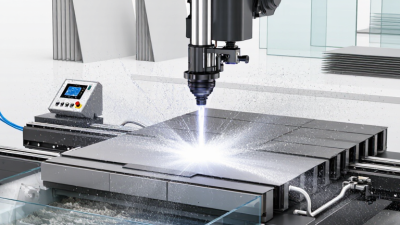
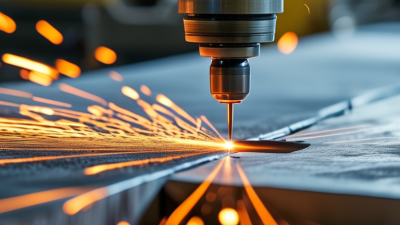
A China hydro jet cutting machine uses an ultra-high-pressure pump to force water through a tiny sapphire or diamond orifice. The jet can exceed 3,000 bar, depending on the machine design. For harder materials, abrasive garnet enters the mixing chamber and accelerates cutting power. The focused stream then moves through stone, steel, glass, or composites without creating a heat-affected zone.

That detail matters.

The waterjet market is expanding. Grand View Research reported that the global waterjet cutting machine market was valued at approximately USD 1.2 billion in 2023, with continued growth expected through 2030. In practical testing, cut quality depends on pump stability, nozzle alignment, abrasive flow, and motion-control accuracy. A machine may look powerful on paper but still produce tapered edges if calibration is neglected. ISO 11127 testing guidance also emphasizes consistent abrasive quality, which affects surface finish and cutting speed.

Operators should inspect the mixing tube daily. A worn tube can widen the jet and increase dimensional errors. Energy use also deserves attention. The U.S. Department of Energy identifies pumping systems as major industrial energy users, so efficient pressure control can reduce operating costs. Some specifications remain unclear in online listings. Buyers should request verified cutting samples, pressure records, positioning accuracy, and service data before choosing a suitable China hydro jet cutting machine.

Key Features That Define Cutting Quality and Efficiency

What Is the Best China Hydro Jet Cutting Machine?

Cutting quality depends on more than maximum water pressure. A reliable hydro jet cutting machine should deliver stable pressure throughout long production cycles. Pressure fluctuations can create uneven edges, especially on thick steel or layered stone.

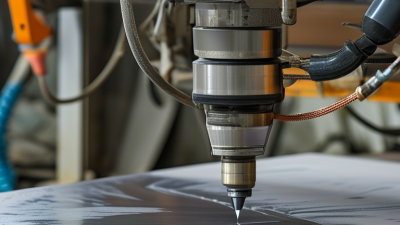
The cutting head also matters. A precise orifice, accurate abrasive control, and a rigid mounting system help produce narrow kerfs and cleaner corners. CNC motion should remain smooth at low speeds. Small vibrations may become visible on detailed parts.

In real workshops, water filtration is often underestimated. Clean water protects pumps and reduces blocked orifices. Automatic height sensing can maintain the correct stand-off distance, but it still needs regular calibration.

Tips:

Test sample materials before ordering. Check edge taper, cutting speed, abrasive use, and restart accuracy. Ask for maintenance records and replacement-part availability. A high pressure rating alone can mislead.

Sometimes, a slightly slower machine produces better finished parts and fewer rejects. Operators should also inspect seals, nozzles, and abrasive lines each shift. This habit feels basic, yet it prevents expensive interruptions.

No machine is perfect. The best choice matches the material range, production volume, workshop skills, and realistic maintenance budget.

Types of China Hydro Jet Cutting Machines and Their Uses

China hydro jet cutting machines differ mainly by cutting method, axis control, and material target. Pure waterjet machines use a thin, high-pressure stream for rubber, foam, felt, food products, and soft plastics. Abrasive waterjet machines mix garnet with water. They cut steel, glass, stone, ceramic, and composite panels.

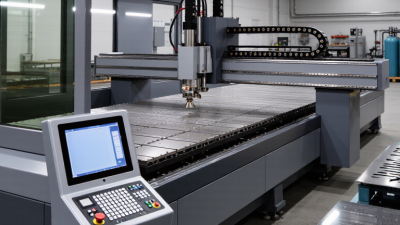
Three-axis CNC models suit flat sheets and routine fabrication. Five-axis machines adjust the cutting head for bevels, tubes, and complex aerospace parts. Some workshops choose compact gantry systems for maintenance work.

Larger bridges handle plates exceeding two meters wide. The correct choice depends on thickness, tolerance, pump pressure, and daily cutting volume. More pressure is not always better.

Grand View Research estimated the global waterjet cutting machine market at approximately US$1.2 billion in 2023. Its 2024 analysis also expects continued growth through 2030. MarketsandMarkets projects rising demand for abrasive systems in metal fabrication and industrial processing. These figures use different market boundaries, so comparisons require care. A practical test remains essential. Operators should cut the actual alloy, inspect edge taper, and measure abrasive consumption. In my experience, overlooked details cause expensive delays: clogged nozzles, wet abrasive, poor water filtration, and unstable table leveling. China-made equipment can offer useful configuration flexibility, but buyers should verify pump service, controller training, spare-part availability, and documented tolerance tests before purchase.

How to Compare Manufacturers, Specifications, and Operating Costs

What Is the Best China Hydro Jet Cutting Machine?

Comparing Chinese hydro jet cutting machines requires more than checking maximum pressure. Start with the manufacturer’s engineering record, export experience, service response, and documented factory tests. Ask for pump life, cutting accuracy, software compatibility, and spare-parts availability. A machine producing 4,000 bar may not outperform a better-integrated 3,000-bar system.

Fortune Business Insights’ 2024 waterjet cutting market report identifies aerospace, automotive, and metal fabrication as major demand sectors. These applications require stable accuracy, not impressive pressure alone. Check cutting tolerance, table repeatability, abrasive delivery, and nozzle replacement intervals.

Request test cuts using your actual stainless steel, stone, or composite samples. Paper specifications can look excellent. Real samples reveal problems.

Operating cost needs a simple worksheet. Include electricity, water treatment, abrasive, pump seals, labor, and planned downtime. The U.S. Department of Energy reports that optimized pumping systems can reduce energy use by 20% to 50%, although cutting machines vary widely. That range is a warning, not a promise.

Compare energy consumption per cutting hour, rather than motor power alone. A lower purchase price may hide expensive seals or weak technical support.

I would also question unusually low abrasive estimates. They may reflect ideal conditions, not daily production.

Get written figures from at least three manufacturers, using identical material and thickness.

Selecting the Best Machine for Your Materials and Production Needs

What Is the Best China Hydro Jet Cutting Machine?

Selecting the best machine starts with your materials and production needs, not the catalog. Pure water cutting suits rubber, foam, plastic, and food-grade products. Abrasive cutting handles steel, stone, glass, ceramics, and composite panels. Most industrial systems operate near 60,000 psi, while abrasive cutting commonly produces a kerf around 0.8 to 1.2 millimeters. These figures are useful, but they are not promises.

Grand View Research estimates the global waterjet cutting machine market will expand at roughly 7% annually through 2030. MarketsandMarkets also reports steady growth, driven by aerospace, automotive, and metal fabrication demand. This growth increases machine choices, but it can make comparison harder. Check pump efficiency, cutting-head accuracy, abrasive consumption, tank capacity, and local technical support. A large worktable matters when sheets are heavy or frequently nested. A smaller table may reduce idle space and installation costs.

I would request a cutting test using your actual material and thickness. Ask for edge photos, cycle time, dimensional results, and abrasive usage. Do not trust speed alone. A fast cut with excessive taper may create extra grinding work. Also inspect software training and spare-part availability. These details often decide uptime. One weakness remains easy to overlook: reported tolerances can change with operator skill, nozzle wear, water quality, and maintenance. The “best” machine may therefore be less powerful, but more consistent across ordinary shifts.

What Is the Best China Hydro Jet Cutting Machine? - Selecting the Best Machine for Your Materials and Production Needs

The best hydro jet cutting machine depends on material type, thickness, accuracy, table size, production volume, and operating cost. The following comparison uses typical industrial specifications for different waterjet configurations and is intended as a practical selection guide.

Machine Configuration Typical Cutting Pressure Typical Effective Cutting Area Recommended Material Thickness Suitable Materials Typical Positioning Accuracy Production Capacity Best Use Case Material Suitability
3-Axis Abrasive Waterjet 3,000–4,150 bar
(43,500–60,000 psi)
1,500 × 3,000 mm to
2,000 × 4,000 mm
1–150 mm for most materials Steel, stainless steel, aluminum, copper, brass, stone, glass, ceramics, composites Approximately ±0.05–0.10 mm, depending on machine design and cutting conditions Medium General-purpose fabrication, prototypes, custom parts, and mixed-material production ★★★★★
5-Axis Waterjet 3,000–4,150 bar
(43,500–60,000 psi)
1,500 × 3,000 mm to
2,000 × 4,000 mm
1–100 mm for high-precision angled cutting Metals, stone, glass, composites, and parts requiring tapered or angled edges Approximately ±0.05–0.10 mm; angular accuracy depends on the cutting head Medium to high Aerospace, automotive, tooling, bevels, countersinks, and complex 3D profiles ★★★★★
Compact Waterjet 2,500–3,800 bar
(36,000–55,000 psi)
1,000 × 2,000 mm to
1,500 × 3,000 mm
1–80 mm for common applications Metal sheet, tile, glass, stone, rubber, plastic, and composite materials Approximately ±0.10–0.15 mm Low to medium Workshops with limited floor space, maintenance departments, and small-batch work ★★★★☆
Large-Format Waterjet 3,000–4,150 bar
(43,500–60,000 psi)
2,000 × 6,000 mm or larger 1–200 mm, subject to material hardness and cutting speed Large stone slabs, architectural panels, metal plates, glass, and oversized industrial components Approximately ±0.10–0.20 mm over large travel distances High for large workpieces Architectural stone processing, large plate fabrication, and oversized component cutting ★★★★★
Dual-Head Waterjet 3,000–4,150 bar
(43,500–60,000 psi)
1,500 × 3,000 mm to
2,000 × 4,000 mm
1–150 mm for compatible materials Metal, stone, glass, ceramics, rubber, plastics, and composites Approximately ±0.08–0.15 mm High for repeated parts High-volume production of identical or mirrored components ★★★★★
Pure Waterjet 2,500–4,000 bar
(36,000–58,000 psi)
1,500 × 3,000 mm to
2,000 × 4,000 mm
Typically up to 50 mm Foam, rubber, gasket material, felt, insulation, food products, textiles, and soft plastics Approximately ±0.10–0.20 mm Medium to high Fast cutting of soft, non-metallic materials without abrasive contamination ★★★★☆
High-Precision Waterjet 3,000–4,150 bar
(43,500–60,000 psi)
1,000 × 2,000 mm to
1,500 × 3,000 mm
1–100 mm Tool steel, stainless steel, titanium, ceramics, glass, and precision engineering materials Approximately ±0.02–0.05 mm with suitable setup and calibration Low to medium Precision components, low-tolerance parts, tooling, and research applications ★★★★★

Selection note: Abrasive waterjets are generally preferred for hard materials such as steel, stone, glass, ceramics, and composites. Pure waterjets are better suited to soft materials. Actual cutting thickness, accuracy, speed, and operating cost vary with pump power, nozzle condition, abrasive type, material hardness, part geometry, and machine calibration.