Top Titanium Waterjet Cutting Services for Global Buyers
Global buyers need more than a cutting quote when sourcing titanium components. They need predictable accuracy, clear documentation, and dependable communication. Titanium reacts differently from steel and aluminum during machining. Excessive heat can affect edge quality, surface condition, and dimensional stability. That is why titanium waterjet cutting remains valuable for aerospace, medical, marine, chemical, and industrial applications.
An experienced waterjet provider should understand titanium grades, sheet thicknesses, nesting efficiency, and abrasive selection. The cutting team should review CAD files carefully before production. Small drawing errors can become expensive material losses. Practical experience matters here. A qualified supplier can discuss tolerances, kerf compensation, lead times, and inspection methods without hiding technical limitations. Buyers should request material certificates, inspection reports, and traceable production records. These details support quality decisions across international supply chains.
Reliability also depends on what happens after cutting. Secure packaging can protect sharp edges and finished surfaces during long-distance transport. Clear commercial documents can reduce avoidable customs delays. Suppliers should explain their quality systems and relevant certifications honestly. Certification alone is not proof of perfect work. Sometimes, even a well-planned project needs revision after the first trial cut. That is not failure; it can reveal a better process. Still, every change should be recorded, reviewed, and approved. This guide examines leading titanium waterjet cutting services for global buyers, focusing on technical capability, quality evidence, communication, delivery performance, and practical value. The strongest partner is not always the cheapest. It is the supplier that performs consistently and communicates clearly.
Titanium Waterjet Cutting: 60,000-psi Abrasive Systems Explained
Top Titanium Waterjet Cutting Services for Global Buyers
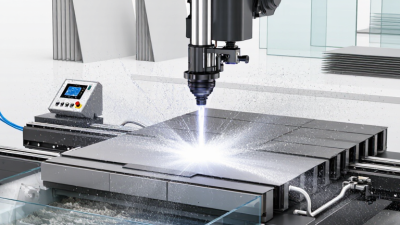
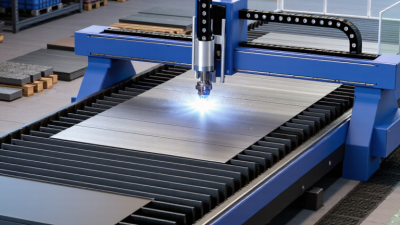
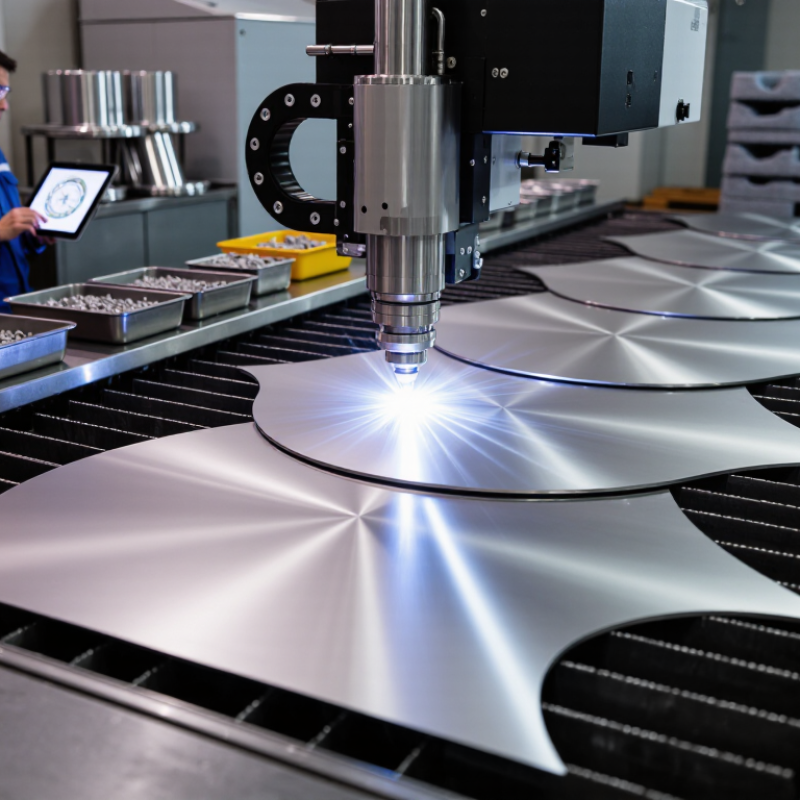
Titanium waterjet cutting uses a high-pressure stream to remove metal without creating a traditional heat-affected zone. A 60,000-psi abrasive system forces water through a small orifice. Abrasive garnet then enters the mixing chamber. The combined jet exits through a carbide or ceramic mixing tube. It cuts titanium by erosion, not melting.
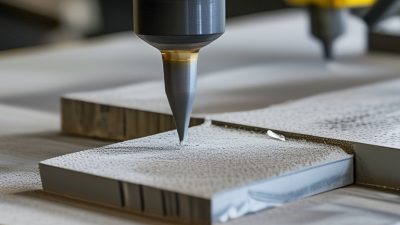
Pressure alone does not guarantee a precise part. Orifice size, abrasive flow, nozzle alignment, and traverse speed matter equally. For a 12-millimeter titanium plate, an experienced operator may reduce speed to control taper. The cut edge can show light striations. That detail is normal, but excessive taper suggests poor settings or worn tooling. Mixing tubes need regular inspection. A small diameter change can affect accuracy.
Reliable suppliers should provide material traceability, thickness records, and dimensional inspection reports. Ask how they control abrasive contamination and protect finished surfaces. Titanium parts often need clean fixturing, careful handling, and sealed packaging during export. In my experience, requesting a sample cut reveals more than a polished capability sheet. It exposes edge quality, hole roundness, and actual lead time. One weakness remains: 60,000 psi systems can increase operating costs and may be unnecessary for thin sheet. A lower setting can sometimes deliver better value, though this depends on geometry and tolerance.
Grade 2 and Grade 5 Titanium: Cutting Behavior and Typical Uses
Top Titanium Waterjet Cutting Services for Global Buyers
Grade 2 titanium is commercially pure and relatively ductile. ASTM B265-23 specifies a minimum tensile strength of 345 MPa. It also offers strong corrosion resistance in chemical processing, heat exchangers, and marine equipment. Its lower alloy strength usually makes piercing and cutting more predictable. However, thin sheets can flex beneath the cutting head. Support matters.
Grade 5 titanium, or Ti-6Al-4V, reaches at least 895 MPa tensile strength under ASTM B265-23. ASM Handbook, Volume 16, describes titanium alloys as having low thermal conductivity and high chemical reactivity during machining. Abrasive waterjet cutting avoids a heat-affected zone, which protects sensitive surfaces and reduces thermal distortion. Yet Grade 5 can require slower feed rates, careful piercing, and stable abrasive flow. The boundary is not absolute.
Experienced global buyers should request material certificates, heat numbers, thickness tolerances, and inspection records. A professional service should control kerf taper, edge striation, and corner accuracy. Garnet abrasive is widely used for clean non-thermal cutting. Common pressure levels approach 60,000 psi, but pressure alone does not ensure quality. Nozzle wear changes the edge. Small errors matter. Grade 2 often suits formed corrosion-resistant parts, while Grade 5 fits aerospace brackets, medical components, and high-load structures. Confirm the final application before selecting the cutting recipe.
Top Titanium Waterjet Cutting Services for Global Buyers
Grade 2 and Grade 5 Titanium: Cutting Behavior and Typical Uses
Grade 2 titanium has lower minimum tensile strength and higher thermal conductivity, which generally supports easier heat dissipation during waterjet cutting. Grade 5 titanium provides substantially higher strength with lower thermal conductivity, making abrasive waterjet cutting useful for producing complex profiles without a heat-affected zone.
The chart uses representative room-temperature reference values. Actual properties vary with product form, specification, heat treatment, and material certification. Grade 2 is commonly used for chemical-processing equipment, heat exchangers, and marine components; Grade 5 is widely used for aerospace structures, high-strength fasteners, and medical components.
Cutting Accuracy, Kerf Width, and ±0.005-Inch Tolerance Benchmarks
Top Titanium Waterjet Cutting Services for Global Buyers
Titanium waterjet cutting demands control, not just high pressure. Its strength, low thermal conductivity, and springback can affect edge quality. Experienced suppliers should report cutting accuracy, kerf width, and inspection methods clearly. A ±0.005-inch tolerance is a useful benchmark, but it should not be treated as automatic. Material thickness, alloy condition, geometry, and cut speed all influence results.
Kerf width commonly changes with nozzle condition, abrasive flow, and cutting direction. Narrow internal features need a verified offset, or the finished part may become undersized. Ask for dimensional inspection records, calibrated equipment, and a sample cut from comparable titanium stock. A perfect first article is not guaranteed. Real production sometimes reveals distortion near small holes or thin webs. That limitation deserves honest discussion, not vague promises. Measurement across several features gives buyers stronger confidence than one impressive test piece.
Tips:
Define the titanium grade, thickness, drawing revision, and critical dimensions before requesting quotations. Specify whether ±0.005 inch applies to every feature or selected surfaces. Request kerf compensation details and edge photographs. Leave practical corner radii where possible. Check how the service controls abrasive contamination, because tiny particles can affect later finishing. A trial part may cost more, but it can expose unstable settings before a larger order.