10 Best Waterjet Cutting Machines for Global Buyers?

Choosing among the 10 best waterjet cutting machines requires more than comparing pump pressure or cutting speed. Global buyers need evidence about accuracy, reliability, operating costs, and supplier support. A machine may cut stainless steel cleanly in a showroom, yet struggle with abrasive consistency during a long production shift. Real performance matters.

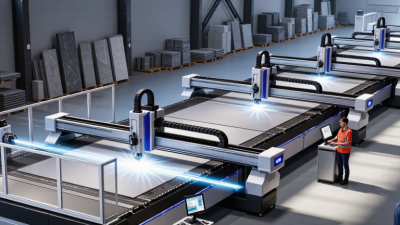
This guide examines waterjet cutting systems through practical buying criteria. These include cutting table size, pump efficiency, abrasive delivery, software usability, and maintenance access. It also considers cutting tolerance, operator training, spare-part availability, and technical support across different regions. Buyers should review documented test results, warranty terms, installation requirements, and relevant conformity records for their markets. Those details often reveal more than attractive brochures.

No single machine is best for every factory. A fabricator cutting stone may value a large working area, while an aerospace supplier may prioritize precision and process control. Total ownership cost can change the decision. Electricity, garnet consumption, replacement orifices, downtime, and shipping delays all deserve attention. Some comparisons remain imperfect because published specifications do not always reflect real workshop conditions. That limitation should be acknowledged, not hidden.

The selected machines are discussed with a balanced focus on capability and risk. Supplier reputation, user feedback, service history, and engineering experience are important parts of the review. Buyers should confirm local technical support before placing an order. Small details matter. A clogged abrasive line or delayed seal can stop production. This introduction sets a practical foundation for evaluating equipment with greater confidence, clearer expectations, and fewer expensive surprises.
10 Best Waterjet Cutting Machines for Global Buyers?

How Waterjet Cutting Machines Work and Where They Are Used

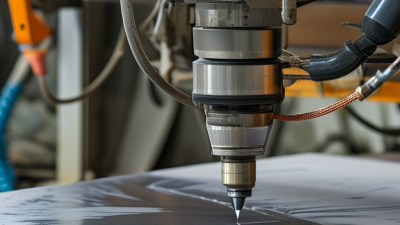
Waterjet cutting machines shape materials with a high-pressure water stream. The stream may include fine abrasive particles for hard materials. Pure water usually cuts rubber, foam, food products, and soft plastics. Abrasive waterjet systems handle steel, stone, glass, ceramics, and composites.

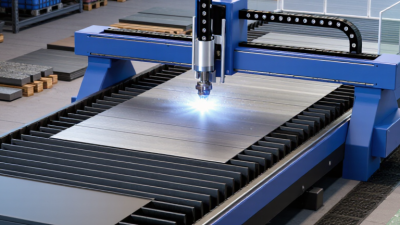
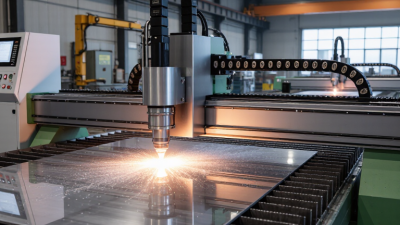
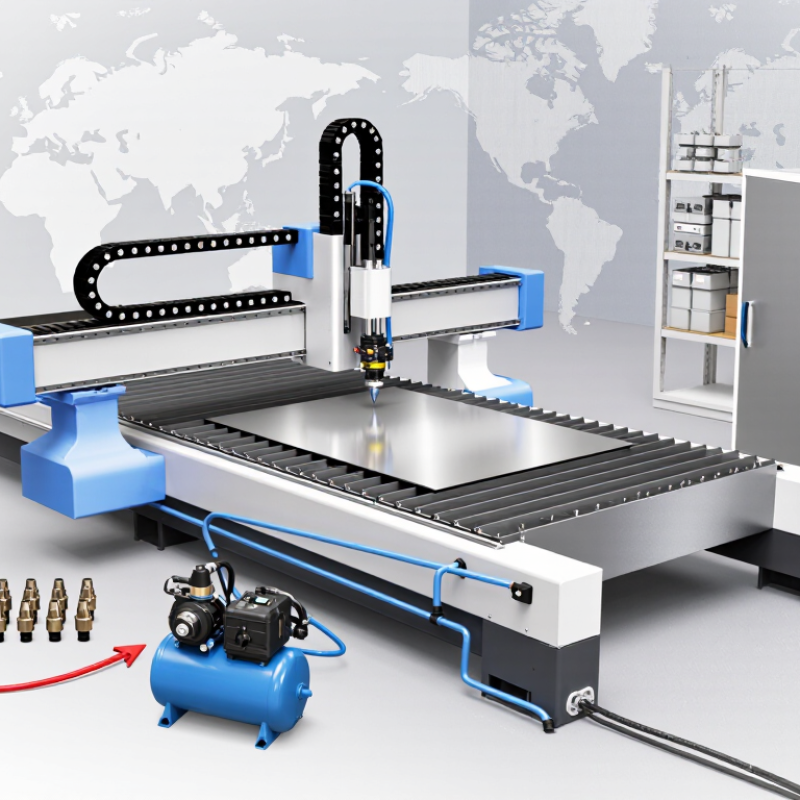
A CNC controller guides the cutting head across a programmed path. The narrow jet removes material through erosion, not melting. The cut stays cool. This creates little thermal distortion or heat-affected damage. Fabricators use waterjets for architectural stone, aerospace panels, machine parts, and custom metalwork. They also suit prototypes because one machine can process many materials.

Real performance depends on more than pressure. Operators must check nozzle wear, abrasive flow, water quality, and table alignment. A worn mixing tube can widen the kerf and reduce accuracy. Cutting speed also affects edge quality. Faster settings may leave visible striations. Slower settings improve finish, but increase cost and production time. In practical trials, small test pieces reveal problems earlier than large production jobs. Waterjet cutting is powerful, but it is not effortless. Some materials delaminate, and thick sections may need careful programming. Buyers should examine pump reliability, cutting envelope, software control, maintenance access, and local technical support before comparing machines.

Key Criteria for Evaluating the Best Waterjet Cutting Machines

10 Best Waterjet Cutting Machines for Global Buyers?

When evaluating the best waterjet cutting machines, buyers should examine more than cutting pressure. Grand View Research projects the global waterjet cutting machine market to grow at roughly 7% annually through 2030. That growth reflects demand for accurate cutting across metal, stone, glass, and composite materials. Still, market growth does not guarantee suitable equipment.

Start with measurable performance. Check positional accuracy, repeatability, cutting speed, table capacity, and maximum material thickness. Ask for test cuts using your actual material and drawing files. A polished demonstration can hide inconsistent edge quality. Look closely at the kerf, taper, corner finish, and pierce marks.

Operating costs deserve equal attention. Compare abrasive consumption, pump efficiency, nozzle life, water treatment needs, and scheduled maintenance. A higher-pressure system may cut faster, but it can increase component wear. MarketsandMarkets has identified automation and efficiency as major waterjet technology trends, yet automation is not always economical for low-volume workshops. Service response matters too. Request spare-parts availability, technician coverage, training, and realistic repair times. I would also record noise, splash, and abrasive cleanup during a factory visit. The overlooked detail is often the expensive one.

Top 10 Waterjet Cutting Machines for Global Buyers

Top 10 Waterjet Cutting Machines for Global Buyers

The top 10 waterjet cutting machines for global buyers should be judged by real workshop needs, not impressive brochures. A practical shortlist includes three-axis, five-axis, abrasive, pure-water, compact, large-format, robotic, and multi-head systems. Each design solves a different problem. A pure-water machine suits foam, rubber, and food materials, while abrasive cutting handles steel, stone, glass, and composite panels.

During machine trials, inspect the cut edge under strong light. Check taper, piercing marks, kerf width, and hourly abrasive use. A reliable machine should maintain stable pressure during long cuts and support accurate height sensing. Five-axis equipment can reduce secondary finishing, but its software demands skilled operators. Multi-head systems improve output, although they may increase alignment work and maintenance costs.

Global buyers also need to verify electrical requirements, safety documentation, spare-part access, and local technician support. A machine designed for one voltage standard may require costly preparation elsewhere. Ask for sample cuts using your actual material and thickness. Do not rely only on demonstration steel. I would not claim that the most expensive machine is automatically the best choice. A ranking can mislead when production volume, floor space, water treatment, and operator experience are ignored. Small details matter. A blocked abrasive line can stop an entire shift. Regular inspections, documented training, and honest supplier communication often protect investment better than extra cutting speed.

10 Best Waterjet Cutting Machine Configurations for Global Buyers

Comparison of representative abrasive waterjet configurations by typical maximum cutting thickness. Actual performance varies with material hardness, nozzle condition, abrasive flow, pump pressure, and required edge quality.

Benchmark basis: common industrial abrasive waterjet systems operating at approximately 60,000–90,000 psi. Thickness values are indicative capability levels for materials such as steel, aluminum, stone, glass, and composites.

Comparing Cutting Performance, Costs, Features, and Support

10 Best Waterjet Cutting Machines for Global Buyers?

Comparing Cutting Performance, Costs, Features, and Support

Choosing among ten leading waterjet cutting machines requires more than comparing maximum pressure. A reliable evaluation begins with cut quality, operating cost, and service access. Machines using abrasive waterjet technology can cut steel, stone, glass, composites, and aluminum with limited heat distortion. However, thicker materials often require slower feed rates and more abrasive use.

Cutting performance should be measured through edge smoothness, taper control, piercing speed, and repeatability. Ask suppliers for sample parts made from your actual material. A clean 40-millimeter steel edge may look impressive, but production results can change with nozzle wear, water quality, and operator skill. Small details matter. Some systems offer automatic height sensing, collision protection, nesting software, and multi-axis cutting heads. These features can reduce setup time, although they also increase the purchase price.

Total cost includes the pump, cutting head, abrasive, electricity, water treatment, maintenance, and downtime. A lower-priced machine may become expensive if replacement parts take weeks to arrive. Global buyers should inspect local technician coverage, training methods, remote diagnostics, warranty limits, and spare-part inventory. Installation support is especially important when voltage standards, language, and facility conditions differ. In practice, even experienced teams can underestimate abrasive disposal and routine alignment work. That deserves honest review. A practical shortlist should match the machine’s table size, duty cycle, software, and support network to the buyer’s real production schedule.

How to Choose the Right Waterjet Machine for Your Business

Choosing the right waterjet cutting machine starts with your production reality, not a glossy specification sheet. Industry forecasts vary, but MarketsandMarkets estimates that the global waterjet cutting machine market will grow steadily through 2028. That growth reflects demand for flexible cutting across metal, stone, glass, and composites. However, a larger machine is not automatically better. Review your material thickness, daily cutting hours, table size, tolerance requirements, and available floor space.

A practical evaluation should include pump efficiency, abrasive consumption, nozzle life, software learning time, and service response. A 2024 report from Grand View Research identifies operating cost and automation as major purchasing factors. Ask suppliers for verified cutting samples using your own material. Measure edge taper, pierce quality, cutting speed, and cleanup time. A perfect sample can still mislead if it uses unusually slow settings. Calculate total cost per part, not only the purchase price. Include electricity, water treatment, abrasive, maintenance, and operator training. ISO 12100 guidance can also support a safer machinery risk assessment.

Tips: Request at least three comparable quotations. Check whether performance data comes from independent testing. Leave space for abrasive removal and maintenance access. If your workload is uncertain, avoid buying maximum capacity too early. A smaller system may deliver better cash flow, but limited growth space can become an expensive mistake. Ask yourself: can this machine remain useful after three years?

10 Best Waterjet Cutting Machines for Global Buyers? - How to Choose the Right Waterjet Machine for Your Business

A practical comparison of common waterjet machine configurations, operating capabilities, and selection criteria for different industrial applications.

Rank Machine Configuration Recommended Application Typical Cutting Area Typical Operating Pressure Typical Abrasive Cutting Capacity Typical Positioning Accuracy Common Pump Power Key Advantage Best Buyer Profile
1 Precision 5-Axis Abrasive Waterjet Complex aerospace, automotive, and tooling components 2,000 × 4,000 mm 3,800–6,200 bar Metals and composites up to approximately 150 mm ±0.05–0.10 mm, depending on cutting head and material 30–50 kW Five-axis motion supports bevel correction and three-dimensional cutting High-value manufacturers requiring tight tolerances and complex profiles
2 Large-Format Abrasive Waterjet Structural steel, stone slabs, architectural panels, and large parts 2,000 × 6,000 mm or larger 3,800–6,200 bar Metals, stone, glass, and composites up to approximately 200 mm ±0.08–0.15 mm 37–75 kW Processes oversized sheets with fewer repositioning operations Fabricators, construction suppliers, and large-format job shops
3 Compact Two-Axis Abrasive Waterjet General metal fabrication and prototype work 1,500 × 3,000 mm 3,800–4,200 bar Most metals and non-metallic materials up to approximately 100–150 mm ±0.10–0.20 mm 18–30 kW Lower floor-space and installation requirements Small and medium-sized workshops entering waterjet cutting
4 High-Pressure Pure Waterjet Food packaging, insulation, rubber, foam, textiles, and soft plastics 1,500 × 3,000 mm 3,000–4,200 bar Soft materials generally up to approximately 100 mm ±0.10–0.20 mm 18–37 kW No abrasive contamination and a cold cutting process Converters and manufacturers cutting soft or heat-sensitive materials
5 Dual-Head Waterjet System Repeated production of identical parts from sheet material 2,000 × 4,000 mm 3,800–6,200 bar Metals, stone, glass, and composites up to approximately 150–200 mm ±0.10–0.20 mm 37–75 kW Two cutting heads can improve throughput for suitable nesting layouts Production shops with stable, repeatable order volumes
6 Four-Axis Bevel-Cutting Waterjet Industrial parts requiring angled edges or improved taper control 2,000 × 4,000 mm 3,800–6,200 bar Metals and engineered materials up to approximately 150 mm ±0.05–0.15 mm 30–50 kW Reduces manual finishing caused by normal waterjet taper Engineering and fabrication businesses producing precision assemblies
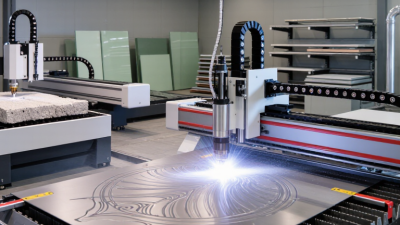
7 Stone and Ceramic Waterjet Marble, granite, porcelain, ceramic, and decorative inlay work 2,000 × 3,000 mm 3,800–6,200 bar Stone and ceramic products typically up to approximately 100–150 mm ±0.10–0.20 mm 30–50 kW Produces intricate patterns without heat-affected edges Stone processors, interior contractors, and architectural studios
8 Glass and Composite-Cutting Waterjet Laminated glass, carbon-fiber panels, fiberglass, and sandwich materials 1,500 × 3,000 mm 3,800–6,200 bar Glass and composites commonly up to approximately 100 mm ±0.10–0.20 mm 18–37 kW Cold cutting helps limit thermal damage and delamination risk Specialist processors handling brittle or heat-sensitive materials
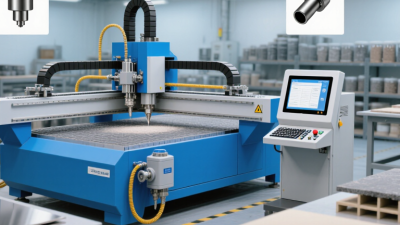
9 Multi-Function Waterjet with Drill Attachment Metal plates and composite panels requiring piercing before cutting 2,000 × 4,000 mm 3,800–6,200 bar Metals and composites up to approximately 150 mm ±0.10–0.20 mm 30–50 kW Combines waterjet profiling with starting-hole or drilling operations Job shops seeking broader capability from one production platform
10 Entry-Level CNC Waterjet Prototype production, maintenance work, education, and mixed materials 1,500 × 3,000 mm 3,000–4,200 bar Metals and non-metallic materials up to approximately 100 mm ±0.15–0.30 mm 15–30 kW Lower initial investment with flexible material compatibility Start-ups, technical schools, repair departments, and low-volume users

Selection note: Specifications shown are representative ranges for commercially available waterjet configurations. Actual performance depends on pump condition, cutting head, abrasive quality, material, thickness, table size, software, and required edge quality. Confirm local electrical standards, installation requirements, spare-parts support, and total operating cost before purchase.