What Is a Water Jet Cutting System?
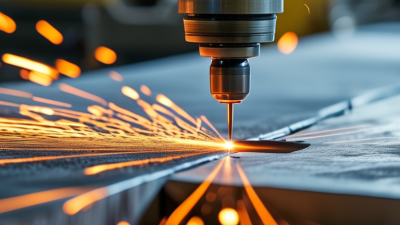
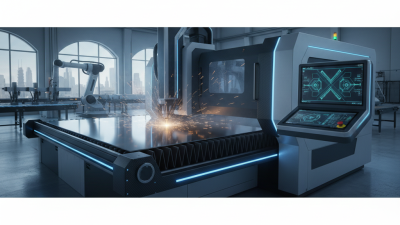
A water jet cutting system uses a highly pressurized stream of water to cut material without a conventional blade. A pump raises the water pressure, then a small orifice forms it into a focused jet. For hard materials such as steel or stone, abrasive particles are often added. The jet moves across the workpiece under computer control, following a programmed path with no tool edge to sharpen. Clean edges are possible. But results depend on setup.
Abrasive-waterjet researcher Dr. Mohamed Hashish’s work can be paraphrased this way: “Cutting performance depends on controlling the jet and the process around it.” This is a paraphrase, not a verbatim quotation. In practice, operators must match pressure, nozzle condition, abrasive flow, and cutting speed to the material’s thickness. A worn mixing tube, for example, can widen the stream and reduce accuracy. Even a small change matters.
This technology can cut metals, glass, composites, and other materials that may be sensitive to heat. Unlike many thermal methods, it creates no heat-affected zone, though it can leave a tapered edge or a rougher finish at higher speeds. A shop evaluating a water jet cutting system should consider pump maintenance, water quality, noise, and abrasive disposal alongside cutting capacity. Those details are easy to miss. The system is versatile, but not automatically the best choice for every job. A careful test cut often reveals more than a specification sheet.
What Defines a Water Jet Cutting System
What Is a Water Jet Cutting System?
What Defines a Water Jet Cutting System
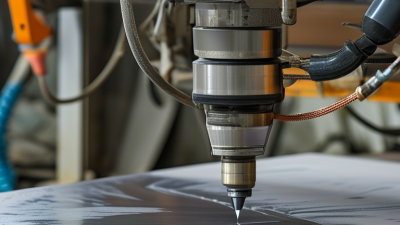
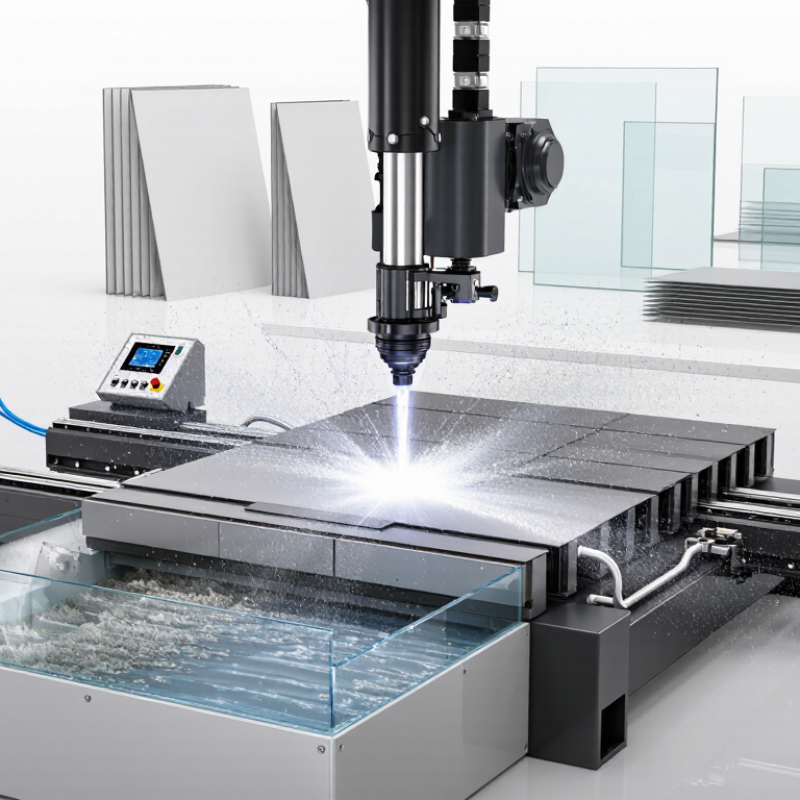
A water jet cutting system uses a high-pressure stream to cut material without a heated blade. Its defining parts are a pressure pump, cutting head, motion-control equipment, and a water-catching tank. The pump pressurizes water, which travels through narrow tubing to a small opening in the nozzle. For harder materials, abrasive particles are added to the stream. The water carries them into the cut.
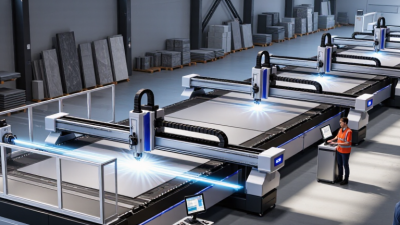
The cutting head moves along a programmed path, while the tank beneath the workpiece absorbs the jet and catches debris. A useful setup also includes filtration, pressure controls, guarding, and a way to secure the material. These details affect cut quality, reliability, and operator safety. Setup matters. A system’s capability depends on more than its maximum pressure; nozzle condition, abrasive flow, material thickness, and cutting speed all play a part. Even careful settings may leave a tapered edge or small dimensional variation. Test cuts help reveal these limits before production, though they take time and material. Not every job needs abrasive cutting, and a thicker workpiece may require slower travel to maintain a clean edge.
How the Water Jet Is Generated and Controlled
A water jet cutting system creates a fast, narrow stream by pressurizing water and forcing it through a small orifice. In abrasive cutting, garnet-like mineral particles join the stream inside a mixing chamber, helping it cut hard materials. The technical reference Principles of Abrasive Water Jet Machining by Momber and Kovacevic (1998) describes systems operating at pressures approaching 400 MPa, or about 58,000 psi. That tiny opening matters. Wear or contamination can disturb the jet and affect cut quality.
Most systems use an intensifier pump, which raises water pressure through a hydraulic piston, or a direct-drive pump. High-pressure tubing carries the water to the cutting head. There, the orifice forms the jet, while a separate feed meters abrasive into the mixing tube. Nozzle alignment is easy to overlook. It can change the cut.
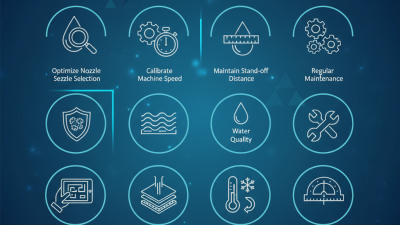
The controller coordinates pump pressure, abrasive flow, head movement, and cutting speed. Too much speed can leave a tapered edge; too little may widen the cut or waste time. Operators also set the standoff distance between nozzle and material. In real use, pressure and abrasive delivery are not perfectly steady. That small variation deserves attention. A sensible setup is checked with a test cut, then adjusted to the material’s thickness and the edge quality required.
The Main Components of the System
What Is a Water Jet Cutting System?
The Main Components of the System
A water jet cutting system turns pressurized water into a narrow, fast-moving stream. Its high-pressure pump supplies the force. Some systems use an intensifier, while others use a direct-drive pump. The cutting head contains a small orifice that shapes the stream. For harder materials, an abrasive feeder adds particles, often garnet, to the water. Pure-water cutting suits softer materials such as foam or rubber.
A CNC controller guides the cutting head across the material. The workpiece rests above a catcher tank, which absorbs the jet after it passes through. Filters help manage abrasive debris and keep the water system cleaner. Each component affects cut quality, but setup matters too. A worn orifice can widen the stream; small problems are easy to overlook.
Tips: Check the orifice and nozzle for wear, and keep abrasive feed steady. Watch for leaks and unusual pump noise. Record material thickness, pressure, and speed during test cuts; settings that work once may need adjustment.
Water quality and maintenance needs vary by system and shop conditions. Even a well-built machine can produce rough edges if the head is misaligned or the material shifts. A quick inspection before cutting saves time, though it will not catch every issue.
What Is a Water Jet Cutting System? — Main Components
Typical component order along the water and abrasive flow path. Abrasive feed is used in abrasive waterjet systems; pure-water systems omit it.
How to read the chart: Numbers show the typical process sequence, not component size, pressure, or performance. The catcher absorbs the jet after it passes through the workpiece.
How Water Jet Cutting Works on Different Materials
What Is a Water Jet Cutting System?
A water jet cutting system uses a narrow, high-pressure stream to shape materials without direct blade contact. The process can use pure water or water mixed with abrasive particles. Pure water suits foam, rubber, insulation, and soft plastics. Abrasive water jets handle steel, stone, glass, ceramics, and composites.
How Water Jet Cutting Works on Different Materials
Material thickness and hardness control the cutting settings. On stainless steel, abrasive particles remove material through rapid erosion. The edge usually stays cool, so heat distortion and heat-affected zones are minimal. That matters for parts requiring accurate dimensions.
Stone cuts steadily, but brittle slabs need careful support. Sudden pressure changes may create small chips along the edge. Glass requires slower movement and trial cuts, especially near holes or sharp corners. It can still crack without visible warning.
Soft rubber behaves differently. A fast stream may compress it before cutting, causing an inaccurate profile. Operators often adjust speed and inspect the finished edge under magnification. Not every setting works twice.
Composite panels need extra attention. The jet may separate layers if pressure, abrasive flow, or cutting direction is poorly controlled. A small test coupon can reveal delamination before production begins. That simple check is often overlooked.
The cut is cold. That helps protect coatings, bonded joints, and heat-sensitive materials. However, water exposure can affect reactive metals or absorbent surfaces. Drying, sealing, and final measurement remain important parts of reliable fabrication.
Key Applications and Performance Factors
What Is a Water Jet Cutting System?
A water jet cutting system uses a high-pressure water stream to shape materials without direct heat. An abrasive can be added for metals, stone, glass, and composites. Water-only cutting suits rubber, foam, food products, and other softer materials. The narrow jet follows programmed paths, creating detailed profiles with limited mechanical stress.
Key Applications and Performance Factors
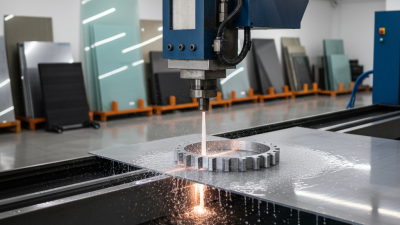
Manufacturers use water jet cutting for aircraft panels, machine parts, architectural stone, electrical enclosures, and custom prototypes. It can cut thick steel while preserving the material’s original hardness near the edge. This matters when heat distortion or hardened zones could weaken a component. In workshops, one setup may handle different materials with only moderate tooling changes.
Cut quality depends on pump pressure, nozzle condition, abrasive flow, cutting speed, and stand-off distance. Slower movement usually improves edge quality, but it increases production time. Thick materials may show a slight taper, especially when calibration is poor. Tolerance also depends on material stability and machine rigidity. A worn mixing tube can widen the stream and reduce accuracy. Small errors become visible on tight corners. Operators should inspect the nozzle, confirm abrasive consistency, and test critical settings on scrap material. No setup is perfect. Even experienced teams sometimes trade speed for finish, then question whether the extra precision was necessary. This reflection helps match performance to the actual application, rather than chasing specifications that add little value.