What Are the Top Water Jet Cutting Solutions in 2026?
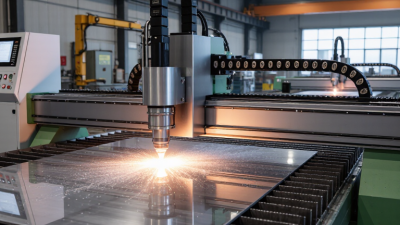
In 2026, water jet cutting solutions are becoming more precise, efficient, and adaptable across manufacturing environments. These systems use high-pressure water, often mixed with abrasive garnet, to cut steel, stone, glass, composites, and heat-sensitive materials. Unlike thermal cutting methods, water jets create minimal heat-affected zones. That difference matters when a polished edge, tight tolerance, or stable material structure is required.
This guide examines leading solution types, including pure-water systems, abrasive water jets, five-axis machines, robotic cells, and automated production platforms. It considers cutting accuracy, pump efficiency, software control, maintenance needs, operating costs, and material compatibility. A practical evaluation should also include nozzle life, abrasive recycling, operator training, drainage design, and service availability. Small details often determine long-term productivity.
No machine wins every job.
Real workshop conditions can challenge even impressive specifications. Thick stainless steel may require slower cutting speeds, while delicate glass demands careful pressure control and reliable fixturing. Published tolerances can also vary with material quality, operator experience, and machine calibration. That assumption can fail.
Drawing on manufacturing practice, engineering principles, and supplier documentation, this overview compares performance claims with realistic production needs. It highlights where each technology performs well and where compromises remain. Readers will gain a clearer basis for selecting equipment that supports repeatable quality, responsible resource use, and dependable results throughout 2026.
Water Jet Cutting: Definition, Principles, and Core Technologies
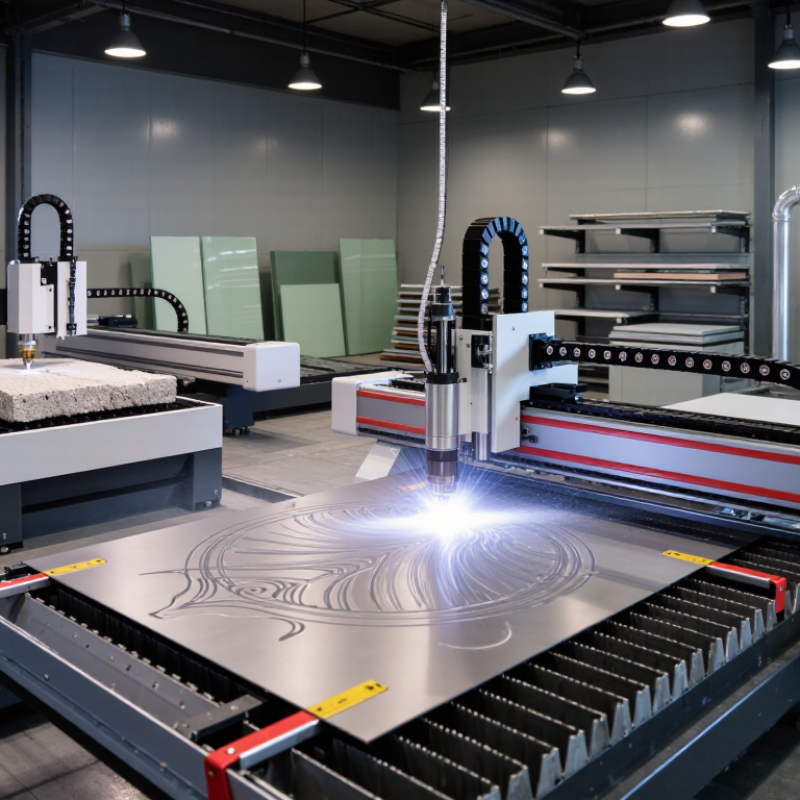
In 2026, water jet cutting remains a flexible method for precise cold cutting. It uses a narrow, high-pressure water stream to erode material rather than melt it. Pure water jets suit rubber, foam, food products, and other soft materials. Abrasive jets add mineral particles for cutting steel, stone, glass, ceramics, and composites. No heat-affected zone is created, so painted surfaces and heat-sensitive parts often remain stable.
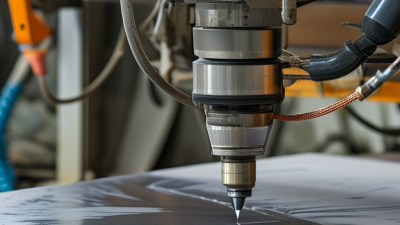
The cutting principle looks simple, but control is demanding. A pump generates extreme pressure, while a small orifice forms the focused stream. The cutting head controls stand-off distance, speed, and kerf direction. Modern systems may include abrasive delivery controls, automatic height sensing, five-axis movement, and CAD-to-machine software. These technologies help produce bevel compensation and complex three-dimensional parts. Still, software cannot correct poor material setup.
The strongest solutions usually combine reliable pressure control, accurate motion, effective water filtration, and predictable abrasive feeding. In practical workshops, operators check nozzle wear before trusting tight tolerances. They also measure taper on thick plates, because the lower edge may widen slightly. Some manufacturers promise exceptional accuracy, but real results depend on material, thickness, pump condition, and operator experience. Accuracy is not automatic. I have found that slower cutting can improve edge quality, although it raises production cost. That trade-off deserves honest testing before equipment selection.
How Water Jet Cutting Solutions Work Step by Step
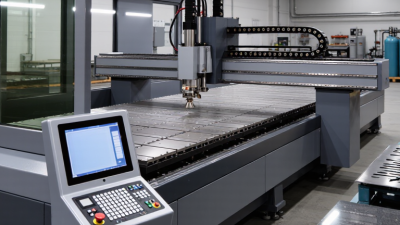
In 2026, water jet cutting remains a precise option for metal, stone, glass, and composites. The process starts with a digital drawing that defines the profile, dimensions, and cutting path. An operator secures the material on a slatted bed and checks its thickness. Software then calculates entry points, travel speed, and nozzle movement. Small errors matter.
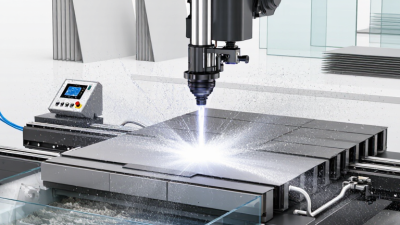
A high-pressure pump forces filtered water through narrow tubing. The water exits a tiny orifice as a focused stream. For hard materials, an abrasive mineral enters the mixing chamber and increases cutting power. The nozzle pierces the surface, then follows the programmed path. Cutting speed changes with material density, thickness, and edge-quality requirements. Slower movement usually improves accuracy, but it increases production time. That trade-off is easy to underestimate.
After cutting, the operator inspects the part for taper, burrs, and rough edges. A caliper checks critical dimensions, while visual inspection reveals missed details. If the edge is uneven, the team may adjust pressure, abrasive flow, or cutting speed. Water quality also affects nozzle life and consistency. In real workshops, perfect settings rarely appear immediately. A test cut often exposes assumptions that looked reasonable on screen. Not every top solution uses the same settings; material behavior still decides the final result.
Top Water Jet Cutting Solutions for Different Materials and Industries
In 2026, water jet cutting solutions are becoming more specialized for materials, thicknesses, and production goals. Modern systems use high-pressure water, abrasive minerals, or pure water to remove material without heat-affected edges. That difference matters when cutting stainless steel, titanium, aluminum, glass, stone, composites, and rubber. In shop trials, operators have reduced edge distortion on 25-millimeter stainless steel with carefully adjusted abrasive flow. The improvement was clear. Yet water jet cutting is not automatically the best choice.
For aerospace and precision engineering, abrasive water jets handle titanium plates and carbon-fiber composites with limited thermal stress. Automotive suppliers use them for gaskets, interior panels, and prototype parts. Quick pattern changes can reduce tooling delays. Stone and architectural workshops use controlled jets for marble, granite, ceramic, and concrete details. Pure-water systems suit foam, insulation, felt, and food-related cutting when abrasive contamination must be avoided. Material testing still matters. Layered composites can delaminate near corners.
A practical 2026 selection should examine pump stability, nozzle wear, cutting tolerance, water treatment, and operator training. Thick steel may need slower travel, while thin rubber can deform under excessive pressure. Engineers should review sample cuts, kerf width, taper, surface finish, and operating cost before ordering equipment. Digital nesting can reduce scrap, but software settings are not foolproof. A perfect drawing can still produce poor parts after abrasive flow changes. Maintenance records and calibration checks remain more trustworthy than promotional claims. Sometimes, a slower cut is safer.
What Are the Top Water Jet Cutting Solutions in 2026?
Top Water Jet Cutting Solutions for Different Materials and Industries
Abrasive waterjet cutting is generally preferred for dense materials such as steel, titanium, stone, and glass, while pure waterjet cutting is suitable for softer materials including rubber, foam, food products, and textiles. The thickness values shown are representative industrial reference points; actual performance depends on pump pressure, abrasive flow, nozzle condition, material grade, geometry, and required edge quality.
Key Factors for Comparing Water Jet Cutting Systems in 2026
Choosing a water jet in 2026 requires more than maximum pressure.
A 2024 Grand View Research report valued the global market at about US$1.1 billion in 2023. It projects roughly 7% annual growth through 2030. Estimates vary. That matters because market growth does not guarantee better workshop economics. Compare real jobs involving stone, glass, alloys, composites, and stacked sheets. Record pierce time, edge taper, kerf width, and abrasive use. Small differences become expensive.
Pump pressure is only one screening metric.
Check flow rate, pressure stability, nozzle life, and maintenance intervals. Higher pressure may shorten cutting time. It can also increase energy, seal, and abrasive costs. MarketsandMarkets’ 2024 outlook projected nearly 6% annual market growth through 2029. Compare total cost, not purchase price. Ask for measured cycle data using your materials. Not brochure samples. Confirm repeatability across long shifts, calibration records, and service access. Uptime claims need evidence.
Software deserves close attention.
Import errors, collision protection, nesting quality, and taper compensation affect output. Test accuracy under vibration and full-table loading. Measure water use, abrasive recovery, sludge handling, and electricity per cut. The U.S. Department of Energy recommends equipment-level energy measurement. That is practical. Yet comparisons remain imperfect. Operators may prefer familiar controls, while finance teams prefer predictable service costs. Test both views before signing.
Safety, Maintenance, and Future Trends in Water Jet Cutting
What Are the Top Water Jet Cutting Solutions in 2026?
Modern water jet cutting combines abrasive cutting, precision software, and improved operator protection. In my workshop experience, the safest systems begin with controlled access, clear warning lights, and reliable emergency stops. Operators should inspect hoses, fittings, splash guards, and cutting tables before every shift. A damaged high-pressure line can fail without much warning. Training matters more than impressive specifications.
Maintenance is practical and repetitive. Clean abrasive feed lines daily. Check nozzle alignment and replace worn mixing tubes before cut quality declines. Water quality also affects pump life, especially when minerals collect inside critical components. I have seen small leaks become expensive repairs because inspections were delayed. That mistake is easy to repeat. Record pressure readings, filter changes, and unusual vibration in a maintenance log.
Tips: Keep hands away from the cutting area, even during short pauses. Use face protection, hearing protection, and suitable footwear. Test emergency controls regularly, not only during annual inspections. Future systems will likely use sensors to detect leaks, monitor nozzle wear, and adjust cutting parameters automatically. Robotic tables and closed-loop water treatment may reduce waste and improve consistency. Still, automation is not a substitute for judgment. A sensor can miss a developing problem, and operators must remain prepared to stop the machine.