China Top 10 Abrasive Water Jet Manufacturers
China’s abrasive water jet industry has developed rapidly across metal fabrication, stone processing, aerospace components, and precision manufacturing. Yet growth does not guarantee equal quality. Buyers must examine real machine performance, not polished brochures.
This guide introduces ten notable Chinese abrasive water jet manufacturers. The selection considers cutting accuracy, pump stability, abrasive delivery, software capability, after-sales support, and documented applications. It also considers export experience and transparent technical information. A dependable supplier should explain tolerances, maintenance intervals, consumable costs, and training requirements clearly. Small details matter. A poorly aligned cutting head can leave visible taper on a thick steel plate. An unstable high-pressure pump can interrupt production at the worst moment.
John Olsen, a recognized waterjet industry pioneer, described the technology as “the most versatile machine tool in the world.” His observation remains relevant because abrasive water jet systems can cut steel, glass, ceramics, stone, and composites without creating a conventional heat-affected zone. However, versatility has limits. Cutting speed, edge quality, abrasive consumption, and operator skill still influence the final result.
This overview is not an absolute ranking. Factory capabilities change, and published specifications may not reflect daily production. Readers should request sample cuts, inspect service networks, and compare total ownership costs. A supplier may offer an attractive price but weaker technical support. That risk deserves attention. The strongest manufacturers combine robust engineering with practical communication, verified performance, and long-term customer support.
Abrasive Water Jet Cutting: Definition and Working Principles
China Top 10 Abrasive Water Jet Manufacturers
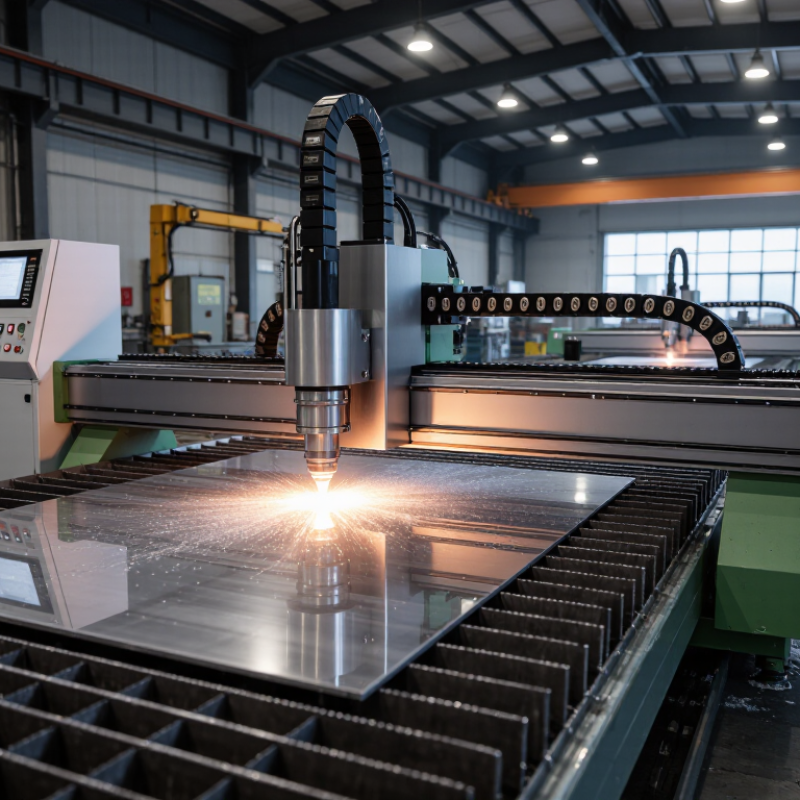
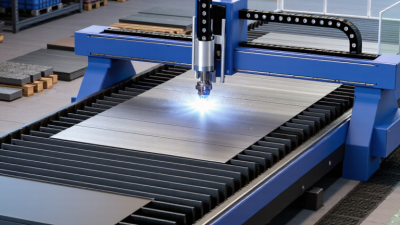
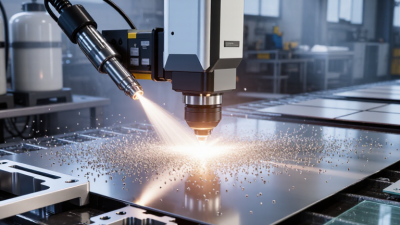
Abrasive water jet cutting uses pressurized water mixed with fine mineral abrasive. It cuts hard materials without producing a heat-affected zone. Unlike thermal cutting, this method does not melt the workpiece. It removes material through controlled erosion. The process suits stainless steel, aluminum, stone, glass, ceramics, and layered composites.
Inside the cutting system, a pump raises water pressure to a high level. The water passes through a tiny orifice, forming a fast, narrow jet. Fine abrasive then enters through a mixing chamber. The mixture exits through a long focusing tube. Cutting happens there. Operators adjust pressure, abrasive flow, traverse speed, and stand-off distance. Too much abrasive increases waste. Too little may leave an incomplete cut. Small setting changes can alter edge quality.
In practical workshops, the jet can follow complex profiles from digital drawings. A submerged cutting table often reduces noise and catches debris. The kerf remains narrow, but it is not perfectly uniform through thick material. Cutting speed also affects taper. A weak fixture may allow vibration, especially with thin sheets. That detail is easy to overlook. Reliable results require nozzle inspection, clean abrasive, accurate calibration, and careful material testing. Experienced operators still review the first piece before starting a larger batch. The process is powerful, but setup errors remain possible.
China’s Abrasive Water Jet Manufacturing Landscape
China Top 10 Abrasive Water Jet Manufacturers
China’s Abrasive Water Jet Manufacturing Landscape
China’s abrasive water jet sector is moving from equipment assembly toward integrated manufacturing. Local producers now develop pumps, cutting heads, software, abrasive delivery systems, and replacement parts. This wider supply chain supports shorter lead times and more flexible machine configurations. It also creates uneven results. Public performance data remains inconsistent across manufacturers.
MarketsandMarkets estimates that the global waterjet cutting machine market will grow from about USD 1.2 billion in 2023 to USD 1.7 billion by 2028. Its forecast indicates a compound annual growth rate near 7%. This demand reflects wider use in aerospace components, stone processing, automotive parts, and thick metal fabrication.
Abrasive systems remain valuable when heat distortion must be limited. The cutting sound is sharp. The work area needs disciplined control.
A practical review of China’s top ten manufacturers should examine more than advertised cutting speed. Buyers should compare pump pressure stability, nozzle life, kerf accuracy, software support, wastewater handling, and service response. Research from Grand View Research also identifies automation and multi-axis cutting as important market drivers. Yet catalog specifications can hide operating costs. Abrasive consumption, filtration, and technician training often determine real productivity.
The ranking is therefore not absolute. Factory visits, sample cutting, and verified customer references still matter. Some manufacturers are technically strong but communicate poorly in English. Others offer attractive prices but limited long-term data. Reliable evaluation requires patience.
Criteria for Ranking the Top 10 Chinese Manufacturers
China Top 10 Abrasive Water Jet Manufacturers
Ranking the top 10 Chinese manufacturers requires more than comparing advertised prices. A reliable assessment begins with factory visits, production records, and machine testing. Cutting accuracy, repeatability, pump stability, and abrasive delivery should receive strong attention. A capable manufacturer can explain tolerance results using clear test samples, not vague promises. Reviewers should also inspect frame rigidity, nozzle alignment, control software, and spare-parts availability. These details often reveal practical engineering quality.
Experience with real workshops matters. Ask for customer references from stone, metal, glass, or composite applications. Check whether the supplier provides installation guidance, operator training, and responsive technical support. Certifications can support credibility, but they should be verified against current production practices. Delivery schedules, warranty terms, maintenance costs, and export documentation also affect the ranking. No ranking is perfect. Test conditions may differ, and some important service data may remain incomplete.
Tips: Request a live cutting demonstration with your own material and drawing. Measure edge taper, surface finish, cutting speed, and abrasive use. Compare results under identical settings. Do not select a supplier only because of a lower quotation. A cheaper machine may require more downtime later. Independent inspection is useful, although it adds time and cost. Be willing to revise the ranking when new evidence appears.
Profiles of China’s Top 10 Abrasive Water Jet Manufacturers
China’s Top 10 Abrasive Water Jet Manufacturers: Manufacturer Profiles
China’s leading abrasive water jet manufacturers serve metal, stone, glass, aerospace, and composite-processing customers. Their profiles differ considerably. Some focus on high-pressure pumps, while others integrate CNC tables, cutting heads, software, and after-sales service.
MarketsandMarkets estimates the global waterjet cutting machine market will grow strongly through 2028, supported by demand for cold cutting and low thermal distortion. That trend gives Chinese producers room to compete beyond price.
A practical profile should examine pressure stability, motion accuracy, nozzle life, and abrasive delivery. Many current systems operate near 3,800 to 6,000 bar. Garnet consumption often reaches 0.3 to 0.8 kilograms per minute, depending on material and nozzle size. Cutting accuracy may approach ±0.1 millimeter under controlled conditions, but workshop temperature, table maintenance, and operator skill can change results.
Grand View Research also identifies Asia-Pacific as a major regional market, reflecting expanding industrial fabrication capacity.
The strongest profiles combine export experience with documented testing.
They should show pump efficiency, replacement-part availability, software training, and response times. A machine that cuts stainless steel cleanly but lacks local service may create expensive downtime. That point is easy to underestimate.
Public specifications are not always independently verified, so buyers should request sample cuts, operating videos, and maintenance records.
Energy use, abrasive recycling, and five-axis performance deserve equal attention. Some suppliers remain better at engineering than technical communication, which can make comparisons imperfect.
Applications, Selection Factors, and Market Development Trends
China’s abrasive water jet manufacturers serve aerospace, stone processing, shipbuilding, automotive, and metal fabrication. Abrasive garnet lets the jet cut steel, glass, ceramics, and composite panels without a heat-affected zone. Precision matters. Operators should inspect cut taper, edge roughness, nozzle life, pump stability, and software control before comparing suppliers.
Selection should match real production conditions. A fabricator cutting 25-millimeter stainless steel needs different pressure, orifice durability, and abrasive recovery than a stone workshop. Ask for verified sample cuts, energy consumption records, maintenance intervals, and local technical support. A lower purchase price can mislead. Water treatment, abrasive waste, spare parts, and downtime may determine the five-year cost. Experience from factory trials is more useful than polished brochures.
Market data indicates steady expansion. Fortune Business Insights valued the global waterjet cutting machine market at about USD 1.22 billion in 2023 and projected continued growth through 2032. Grand View Research also identifies automation and industrial material diversification as major demand drivers. These reports cover waterjet equipment broadly, not abrasive systems alone, so comparisons require caution. Manufacturers are developing robotic cutting cells, closed-loop water systems, remote diagnostics, and improved abrasive recycling. These features support safer workflows and lower operating waste, but adoption remains uneven. A smart buyer should measure actual productivity, not assume every digital function creates value.
| Rank | Representative Supplier Profile | Core Applications | Typical Operating Pressure | Typical Cutting Accuracy | Suitable Materials | Common Machine Format | Automation Level | Key Selection Factors | Relevant Market Trend |
|---|---|---|---|---|---|---|---|---|---|
| 1 |
Large-format industrial cutting specialist Focused on high-throughput production lines and large workpieces. |
Steel fabrication Stone processing Aerospace plates | 3,000–6,000 bar (43,500–87,000 psi) |
Approximately ±0.10–0.20 mm | Carbon steel, stainless steel, aluminum, titanium, granite, marble, glass, and composites. | Three-axis or five-axis gantry; table sizes commonly from 2 × 4 m to 3 × 8 m. | Automatic height sensing, abrasive delivery, nesting software, and optional robotic loading. | Maximum usable cutting envelope, pump reliability, bridge rigidity, after-sales response, and spare-parts availability. | Growing demand for integrated production cells and reduced operator intervention. |
| 2 |
Five-axis precision cutting specialist Designed for beveled edges, taper compensation, and complex profiles. |
Aerospace Energy equipment Precision engineering | 3,000–4,500 bar (43,500–65,250 psi) |
Approximately ±0.08–0.15 mm | Titanium, nickel alloys, stainless steel, aluminum, ceramics, and laminated materials. | Five-axis cutting head with dynamic taper compensation and programmable bevel control. | Advanced CNC control, automatic kerf compensation, collision monitoring, and digital job management. | Axis repeatability, software capability, post-processor compatibility, and verified cutting samples. | Higher-value applications are increasing the adoption of five-axis and digitally simulated cutting. |
| 3 |
Stone and architectural-material equipment specialist Optimized for decorative patterns, slabs, and thick non-metallic materials. |
Granite and marble Ceramic tile Interior decoration | 3,000–4,000 bar (43,500–58,000 psi) |
Approximately ±0.15–0.30 mm | Granite, marble, engineered stone, ceramic, porcelain, glass, and cement board. | Two-axis or three-axis bridge machine with large water table and slab-support fixtures. | Automatic abrasive dosing, programmable cutting sequences, and optional material alignment camera. | Table flatness, slurry management, cutting-head durability, software ease of use, and local service. | Customization and water-saving systems are becoming more important in architectural fabrication. |
| 4 |
Metal fabrication and job-shop specialist Built for flexible batch production and mixed-material orders. |
General fabrication Mechanical parts Prototype work | 3,000–4,200 bar (43,500–60,900 psi) |
Approximately ±0.15–0.25 mm | Mild steel, stainless steel, aluminum, copper, brass, rubber, plastic, and composites. | Standard three-axis machine, generally available with 1.5 × 3 m or 2 × 4 m cutting tables. | CNC nesting, automatic cutting-height control, and semi-automatic loading options. | Total ownership cost, consumable consumption, programming workflow, changeover time, and machine availability. | Job shops increasingly prefer versatile machines that can complement laser and plasma cutting. |
| 5 |
High-thickness material cutting specialist Concentrated on stable cutting of heavy plate and layered materials. |
Heavy machinery Shipbuilding Structural components | 3,500–6,000 bar (50,750–87,000 psi) |
Approximately ±0.20–0.40 mm | Thick steel, stainless steel, rubber, foam, insulation board, stone, and layered composites. | Heavy-duty three-axis gantry with deep water tank and reinforced slat or support system. | Automatic height control, abrasive recycling option, remote diagnostics, and production monitoring. | Cutting stability, pump duty cycle, structural load rating, water-table design, and maintenance access. | Demand is rising for equipment capable of processing thick and difficult-to-machine materials without heat-affected zones. |
| 6 |
Compact and entry-level system specialist Intended for small workshops, education, prototyping, and diversified orders. |
Prototyping Small-batch work Technical education | 3,000–4,000 bar (43,500–58,000 psi) |
Approximately ±0.20–0.40 mm | Sheet metal, plastic, rubber, glass, stone, foam, and composite panels. | Compact three-axis table, often below 2 × 3 m, with simplified installation requirements. | Basic CNC control, manual or semi-automatic abrasive adjustment, and optional remote support. | Purchase price, floor space, electrical requirements, training, local maintenance, and consumable cost. | Entry-level adoption is supported by lower equipment prices, modular designs, and easier remote training. |
| 7 |
Composite and sandwich-panel cutting specialist Configured to minimize delamination, fiber pull-out, and heat-related damage. |
Wind-power components Transportation Composite panels | 3,000–4,500 bar (43,500–65,250 psi) |
Approximately ±0.10–0.25 mm | Carbon-fiber composites, glass-fiber composites, honeycomb panels, rubber, foam, and laminates. | Three-axis or five-axis platform with vacuum or mechanical workholding options. | Tool-path optimization, automatic height sensing, nesting, and optional dust-free material handling. | Delamination control, nozzle alignment, water quality, software support, and sample validation. | Non-thermal processing is gaining share where conventional machining may cause heat or fiber damage. |
| 8 |
Automated production-line integration specialist Supplies water jet systems connected to material handling and factory software. |
Mass production Automotive components Appliance parts | 3,500–5,000 bar (50,750–72,500 psi) |
Approximately ±0.10–0.25 mm | Steel, aluminum, engineered stone, glass, rubber, plastic, and composite components. | Modular gantry with conveyors, shuttle tables, robotic loading, or multi-zone cutting areas. | High: PLC integration, barcode tracking, automatic nesting, robotic handling, and production data collection. | Interface standards, cycle time, uptime guarantees, safety certification, and integration engineering. | Industry 4.0 connectivity, machine data collection, and unattended operation are major development directions. |
| 9 |
Export-oriented customized equipment specialist Provides configurable systems for different regional standards and applications. |
Overseas fabrication Mining equipment Contract manufacturing | 3,000–6,000 bar (43,500–87,000 psi) |
Approximately ±0.15–0.30 mm | Metals, stone, glass, ceramics, plastics, rubber, and engineered composites. | Three-axis, five-axis, and customized extra-large-format machines. | Configurable CNC, multilingual interface, remote diagnostics, and optional automatic abrasive control. | Electrical standards, documentation quality, international service coverage, delivery time, and spare-parts logistics. | Export growth is encouraging suppliers to improve compliance documentation, remote service, and standardized modules. |
| 10 |
Water-saving and consumable-efficiency specialist Emphasizes operating-cost reduction and improved environmental performance. |
Sustainable manufacturing Stone cutting Mixed-material production | 3,000–5,000 bar (43,500–72,500 psi) |
Approximately ±0.15–0.30 mm | Metals, stone, ceramics, glass, composites, rubber, and plastics. | Three-axis or five-axis machine with closed-loop water filtration and optional abrasive recovery. | Automatic water-level control, filtration monitoring, abrasive metering, and energy-use monitoring. | Water consumption, abrasive consumption, filtration life, pump efficiency, maintenance intervals, and lifecycle cost. | Closed-loop water systems, abrasive recycling, energy-efficient intensifier pumps, and lower waste generation are expanding. |
| Market and selection reference: Abrasive water jet systems are selected primarily by material type, maximum thickness, required tolerance, production volume, table size, pump pressure, cutting-head configuration, abrasive consumption, water-treatment requirements, automation level, service capability, and total cost of ownership. Water jet cutting is especially valuable where cold cutting, minimal thermal distortion, complex contours, or mixed-material processing is required. | |||||||||