What Is the Best China Waterjet Machine for Sale?

Choosing the best China waterjet machine for sale requires more than comparing prices and motor power. A reliable buyer must examine cutting accuracy, pump stability, software support, table construction, and long-term service. In real workshops, a machine may cut stainless steel in the morning and granite after lunch. That change demands careful configuration.

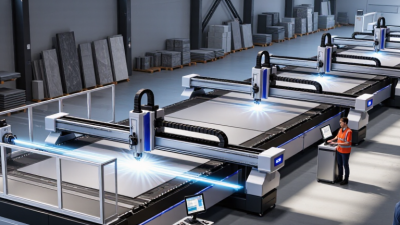
A quality waterjet machine should match your materials, production volume, and available floor space. For example, a 4,000-by-2,000-millimeter cutting table may suit architectural stone suppliers, while a smaller table can serve custom metal shops. The pump should deliver consistent pressure without excessive vibration. Check the cutting head, abrasive delivery system, and control software before signing an order. These small details often decide whether production feels smooth or frustrating.

Price still matters. It should not lead the decision. Ask the manufacturer for cutting samples, machine videos, component brands, installation terms, and maintenance records. Speak with existing users when possible. Their experience may reveal response delays or hidden operating costs that brochures rarely mention. A trusted supplier should explain realistic tolerances, water treatment needs, abrasive consumption, and operator training.

No machine is perfect. Even an excellent model may need adjustments after installation. Local service capability can matter more than a slightly lower quotation. This guide compares practical options from Chinese manufacturers and highlights the trade-offs behind each choice. The goal is not to promote one universal answer. It is to help buyers select a dependable waterjet machine based on evidence, measurable performance, and honest expectations. Take your time. The cheapest decision may become the most expensive one.
What Is the Best China Waterjet Machine for Sale?

What Is a China Waterjet Machine?

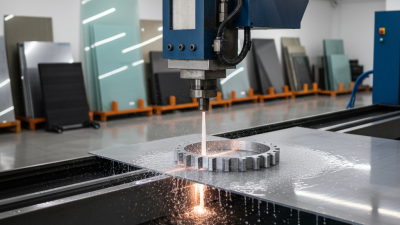
A China waterjet machine is a computer-controlled cutting system manufactured in China. It uses ultra-high-pressure water through a small nozzle to cut materials. Abrasive particles can be added for stone, metal, glass, and composite sheets. Pure water is often suitable for rubber, foam, and food-grade materials. It is not a laser. Water does the cutting.

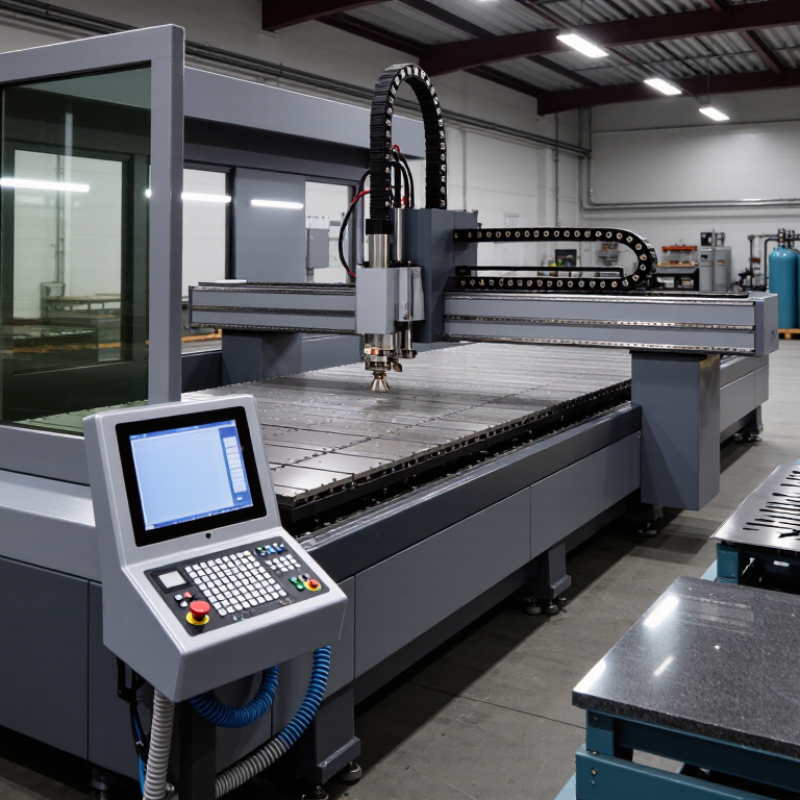
A typical machine includes a high-pressure pump, cutting head, CNC table, abrasive delivery system, and water tank. The pump creates the cutting force, while the CNC controller follows a digital drawing. In practical workshop trials, cutting speed depends on thickness, hardness, nozzle condition, and edge quality requirements. A clean edge still may need minor finishing. That detail matters.

When choosing a China waterjet machine for sale, inspect the pump design, table accuracy, cutting head alignment, and control software. Ask for test cuts using your actual material and thickness. Request maintenance records, spare-part availability, electrical specifications, and remote service procedures. I have seen buyers focus on purchase price and overlook abrasive consumption. That mistake becomes expensive. Another weak point is training; even a precise machine can produce poor edges after incorrect pressure settings. Check factory documentation carefully, and verify applicable safety certifications before installation. A reliable supplier should explain tolerances honestly, including areas where performance changes over time.

What Is the Best China Waterjet Machine for Sale?

A China waterjet machine uses a high-pressure stream of water, with or without abrasive, to cut materials without generating a heat-affected zone. The best machine depends on the material, required thickness, cutting accuracy, table size, pump pressure, and operating cost.

The chart shows representative maximum operating-pressure levels commonly used in waterjet cutting. Pure-water systems are typically used for soft materials, while abrasive and ultra-high-pressure systems are suitable for harder materials such as metal, stone, glass, and ceramics. Actual specifications vary by machine configuration and application.

How Does a Waterjet Cutting Machine Work?

What Is the Best China Waterjet Machine for Sale?
How Does a Waterjet Cutting Machine Work?

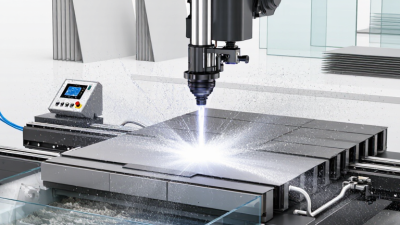
A waterjet cutting machine uses pressurized water to erode material along a programmed path. A high-pressure pump pushes water through an intensifier, often reaching 60,000 psi or more. An accumulator smooths pressure pulses before water reaches the cutting head. The stream then passes through a tiny jewel orifice, creating a focused jet. For steel, stone, and glass, abrasive garnet enters the mixing chamber and increases cutting power.

The process is cold cutting. It produces no traditional heat-affected zone, which helps protect painted surfaces and heat-sensitive materials. A CNC controller guides the head across the sheet, while a catcher tank absorbs the jet below. The cutting speed depends on thickness, material hardness, nozzle condition, and required edge quality. Small changes matter.

Grand View Research reported a global waterjet cutting machine market value of about USD 1.2 billion in 2023. MarketsandMarkets also projected continued growth through 2028, driven by aerospace, automotive, stone, and metal fabrication. These figures show strong demand, but they do not identify the best machine for every workshop. A lower purchase price may hide higher abrasive use, slower cutting, or expensive maintenance. In practical evaluation, inspect pump stability, cutting accuracy, spare-part access, software control, and operator training. One weakness remains easy to overlook: poor water filtration can shorten component life dramatically.

What Is the Best China Waterjet Machine for Sale? - How Does a Waterjet Cutting Machine Work?

Evaluation Dimension Typical Technical Data How It Affects Cutting Recommended Selection Criteria
Cutting Technology Pure waterjet or abrasive waterjet Pure water is suitable for soft materials. Abrasive waterjet cutting is used for metals, stone, glass, ceramics, and composites. Choose abrasive cutting for hard materials and pure water cutting for rubber, foam, fabric, insulation, and similar materials.
Operating Pressure Approximately 3,000–6,000 bar (43,500–87,000 psi) Higher pressure can improve cutting speed and support thicker materials, provided the pump and cutting head are properly matched. Select pressure according to material type, thickness, required edge quality, and operating cost.
Cutting Speed About 50–1,000 mm/min for many abrasive cutting applications Speed depends on material, thickness, nozzle size, abrasive flow, pressure, and the required edge finish. Compare cutting speed together with edge quality rather than evaluating speed alone.
Maximum Material Thickness Common production range: 100–200 mm; some materials can be cut thicker Waterjet cutting is not limited by a heat-affected zone, but cutting speed and taper may change as thickness increases. Confirm tested cutting samples for the exact material and thickness before purchase.
Working Area Typical table sizes range from approximately 1,500 × 3,000 mm to 2,000 × 6,000 mm The working area determines the maximum sheet or plate size that can be processed in one setup. Choose a table slightly larger than the largest regular workpiece to reduce repositioning.
Positioning Accuracy Approximately ±0.05–0.10 mm under suitable operating conditions Accuracy is influenced by the motion system, machine calibration, thermal conditions, software, and material setup. Request accuracy and repeatability test results using a standard sample pattern.
Cutting Head Standard 2D head or 3D/5-axis head with angle compensation A standard head is suitable for general flat cutting. A multi-axis head can reduce taper and process angled surfaces. Select a multi-axis head when edge taper control or bevel cutting is important.
Abrasive Consumption Commonly about 0.3–0.7 kg/min of garnet abrasive Abrasive consumption is a major operating cost and affects cutting performance. Evaluate abrasive delivery stability, garnet compatibility, recycling options, and disposal requirements.
Water Consumption Often approximately 3.5–7.5 L/min during high-pressure cutting Water usage depends on orifice size, operating pressure, pump configuration, and cutting mode. Check local water quality, filtration, drainage, and water recycling requirements.
Material Compatibility Metals, stone, glass, ceramics, composites, rubber, foam, plastics, and laminates The cold-cutting process produces no significant heat-affected zone and can process many heat-sensitive materials. Verify material-specific support, clamping requirements, and expected edge finish.
Kerf Width Typically approximately 0.8–1.5 mm, depending on nozzle configuration A relatively narrow kerf supports nesting and allows intricate profiles to be cut with limited material loss. Use accurate kerf compensation in the CAD/CAM software for dimensional consistency.
Edge Quality Usually classified from fast rough cuts to slower precision cuts Slower feed rates generally produce smoother edges and lower taper, while faster cuts may show more striations. Define the required edge grade before comparing machine productivity.
How the Process Works A high-pressure pump forces water through a small orifice; abrasive may then be mixed into the jet The focused jet removes material through erosion and abrasion rather than melting or burning it. Review the complete system: pump, intensifier, cutting head, motion platform, abrasive system, software, and water treatment.
Best Application Profile Mixed-material production, thick plate cutting, complex profiles, and heat-sensitive components The process offers flexible material compatibility and avoids thermal distortion associated with many thermal cutting methods. The best machine is the model that matches the required materials, thicknesses, production volume, accuracy, and total operating cost.

Note: Technical values are typical industry ranges. Actual performance depends on machine configuration, material properties, operating pressure, abrasive type, nozzle condition, programming, and required edge quality.

Which Features Define the Best Waterjet Machine?

What Is the Best China Waterjet Machine for Sale?

Which Features Define the Best Waterjet Machine?

A strong waterjet machine should match your material, workload, and workshop space. In practical testing, cutting stability matters more than impressive catalog numbers. Look for a rigid frame, precise linear guides, and a responsive control system. These features help maintain clean edges on stone, glass, metal, and composites. A reliable pump should provide steady pressure during long cutting cycles. Pressure alone is not enough.

A useful machine also needs accurate motion control. Check positioning tolerance, repeatability, and cutting-head alignment before purchase. Automatic height sensing can protect the nozzle when material thickness changes. Abrasive delivery should remain consistent, because uneven flow can leave rough corners or visible striations. A well-designed catcher tank reduces vibration and makes routine cleaning less unpleasant. It still requires regular maintenance.

Operator safety and service access deserve equal attention. Enclosed moving areas, emergency stops, splash control, and clear manuals support safer daily work. Ask for training, spare-part availability, installation guidance, and documented test results. These details reveal whether the supplier understands real production conditions. I would also request a sample cut using your own material. A brochure cannot show every weakness. Even an excellent configuration may underperform if water quality, abrasive grade, or operator skill is overlooked. Careful evaluation matters more than a low initial price.

How to Compare China Waterjet Machine Suppliers

What Is the Best China Waterjet Machine for Sale?

How to Compare China Waterjet Machine Suppliers

When comparing China waterjet machine suppliers, begin with technical evidence, not attractive prices. Ask for cutting samples using your actual materials, thicknesses, and tolerance requirements. A serious supplier should explain pump pressure, cutting speed, abrasive consumption, and maintenance intervals clearly. Request factory photos, production records, and recent customer references. Vague answers deserve caution.

Check the supplier’s engineering experience. Can its team diagnose pump vibration, nozzle wear, or software errors? Confirm whether technicians provide installation training and remote support. Ask how quickly replacement parts can be delivered. A machine may look affordable, but extended downtime can cost more than the original savings. The cheapest offer is not always efficient.

Review the warranty in writing. It should identify covered parts, response times, and service limits. Also examine inspection procedures before shipment, including electrical testing and cutting accuracy checks. If possible, use an independent inspection service. Online reviews help, but they may be incomplete or outdated. Treat them as clues, not proof.

A reliable comparison also considers communication. Suppliers should answer detailed questions without avoiding difficult points. They should admit limitations, such as slower cutting on hard stone or higher abrasive use. This honesty matters. No supplier is perfect, and a careful buyer should question both impressive claims and personal assumptions. Compare total ownership costs, technical support, documentation, and verified performance before choosing a machine.

What Should You Check Before Buying a Waterjet Machine?

When choosing the best China waterjet machine for sale, check the machine’s actual working performance, not only its advertised pressure. Ask for a live cutting test using your material and thickness. Watch the edge quality, cutting speed, kerf width, and pierce marks. A clean sample cut matters more than a polished brochure.

Inspect the cutting table closely. It should support your largest workpiece without noticeable vibration. Check the frame, linear guides, height sensor, and abrasive delivery system. Confirm the pump’s rated pressure, expected service life, and replacement cost for seals and valves. Ask whether the control software supports your preferred file formats and allows practical nesting. Small details save hours.

Request maintenance records, factory test data, and references from similar users. A reliable supplier should explain training, installation, warranty limits, spare parts, and response times in writing. Check electrical requirements, water filtration, drainage, noise levels, and local safety compliance before placing an order. These costs are easy to forget. Very easy.

Ask the supplier to cut your most difficult sample, perhaps thick stainless steel with small internal corners. Then measure it with a caliper, not your eyes. Some machines perform well during demonstrations but struggle during long production runs. That weakness should be discussed openly. My view may be cautious, but a slower machine with stable accuracy can be more valuable than a faster machine needing constant adjustment.