Why Choose a Hydro Jet Cutting Machine?
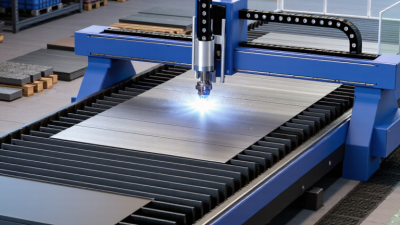
A hydro jet cutting machine uses a focused water stream to shape metal, stone, glass, composites, and other difficult materials. With abrasive particles, the jet can cut stainless steel, aluminum, titanium, and hardened plate. It creates little heat compared with plasma or laser cutting. That difference matters when heat could cause warping, discoloration, or a hardened edge.
Dr. John Olsen, co-founder of OMAX Corporation, described the technology clearly: “Waterjet is the most versatile machine tool in the world.” His observation reflects practical workshop experience. A single machine can produce prototypes, architectural panels, pump parts, and precision brackets. Operators can cut complex profiles directly from CAD files. The narrow kerf also reduces material waste. Less waste helps control production costs.
Still, a hydro jet cutting machine is not effortless. It needs clean water, suitable abrasive, pump maintenance, and careful nozzle alignment. The cutting area is wet and loud. Abrasive disposal also requires planning. These details are easy to underestimate. They should not be.
Cut quality depends on pressure, traverse speed, material thickness, and operator judgment. A fast setting may leave visible striations along the edge. A slower pass can improve accuracy, but it may increase costs. In some workshops, recycling systems reduce water consumption, though performance varies. The best choice therefore depends on production volume, material range, tolerance requirements, and available maintenance skills. This article examines those factors closely, without treating waterjet cutting as a perfect solution.
What Is a Hydro Jet Cutting Machine?
Why Choose a Hydro Jet Cutting Machine?
What Is a Hydro Jet Cutting Machine?
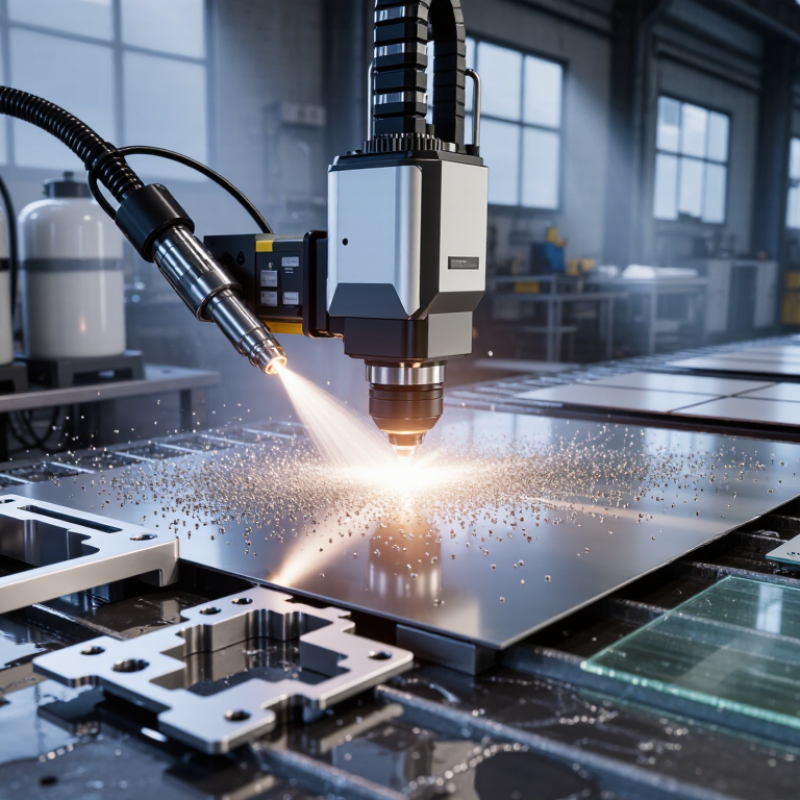
A hydro jet cutting machine uses a narrow, high-pressure water stream to cut materials. The stream may contain fine abrasive particles for harder surfaces.
Unlike a conventional blade, it cuts without direct mechanical contact. This reduces heat damage, warping, and hardened edges on many workpieces. The cutting head follows digital designs through computer-controlled movement. Operators can create detailed shapes, tight curves, and small openings with careful setup.
It can process metal, stone, glass, ceramics, rubber, foam, and layered materials. Material thickness and hardness still affect cutting speed and accuracy. A thicker steel plate may require slower movement and more abrasive flow. The process looks simple from a distance. It is not.
In real workshops, reliable results depend on nozzle condition, water quality, pressure stability, and accurate positioning. Experienced operators check test cuts before starting valuable material. They also inspect edge quality instead of trusting software settings alone. This practical step can reveal vibration, wrong speed, or poor material support.
The machine produces little heat, but it still demands serious safety controls. High-pressure water can cause severe injuries, while abrasive handling creates dust and disposal concerns. Regular maintenance protects precision and reduces unexpected downtime. I would not describe hydro jet cutting as effortless; it is powerful equipment that rewards patience, measurement, and honest evaluation.
| Data Dimension | Typical Data or Range | Why It Matters |
|---|---|---|
| Cutting Principle | High-pressure water erosion; abrasive garnet may be added for hard materials | Enables cold cutting with little heat input and no thermal discoloration. |
| Typical Pump Pressure | Approximately 3,000–6,000 bar (43,500–87,000 psi) | Higher pressure can improve cutting capability and productivity when matched with suitable components. |
| Water Flow Rate | Commonly about 1.9–7.6 L/min (0.5–2.0 gal/min), depending on orifice size and pressure | Influences pump sizing, operating cost, and the amount of water that must be treated or recycled. |
| Abrasive Consumption | Often approximately 0.25–0.75 kg/min (0.55–1.65 lb/min) | Abrasive use affects cutting speed, consumable cost, waste handling, and surface finish. |
| Suitable Materials | Steel, stainless steel, aluminum, copper, titanium, stone, glass, ceramics, composites, rubber, and foam | One machine can process many conductive, non-conductive, heat-sensitive, and layered materials. |
| Maximum Material Thickness | From thin sheet to roughly 150–200 mm for many applications; capability varies by material and required quality | The process can handle thick sections, but cutting speed and taper generally change as thickness increases. |
| Cutting Accuracy | Typical finished-part accuracy is about ±0.08–0.25 mm under controlled conditions | Accuracy depends on machine rigidity, motion calibration, material thickness, nozzle wear, and cutting strategy. |
| Kerf Width | Approximately 0.7–1.2 mm for many abrasive-waterjet setups | A relatively narrow kerf supports efficient material use and permits detailed profiles. |
| Heat-Affected Zone | Essentially none during normal waterjet cutting | Reduces risks of melting, burning, hardening, warping, and heat-related metallurgical changes. |
| Typical Cutting Speed | Roughly 50–1,000 mm/min for many abrasive applications | Speed is strongly affected by material type, thickness, edge-quality requirement, pressure, and abrasive flow. |
| Edge Quality | Selectable from a faster rough cut to a slower precision cut; commonly classified from quality level 1 to 5 | The operator can balance productivity, dimensional accuracy, edge smoothness, and taper. |
| Material Waste | Generally low because the kerf is narrow and parts can be closely nested | Improves sheet utilization, especially for irregular profiles and expensive materials. |
| Primary Consumable Parts | Orifice, focusing tube, abrasive nozzle, seals, filters, and pump wear components | Regular inspection and replacement help maintain cut quality, pressure stability, and operating safety. |
| Environmental Considerations | No cutting fumes; produces wastewater and, when abrasive is used, spent abrasive sludge | Ventilation needs may be lower than with thermal cutting, but water management and waste disposal remain necessary. |
| Best-Fit Applications | Prototype production, architectural profiles, aerospace parts, stone fabrication, gasket cutting, repair work, and mixed-material manufacturing | Particularly valuable when material flexibility, cold cutting, complex contours, or minimal secondary finishing is required. |
How Does Hydro Jet Cutting Technology Work?
Why Choose a Hydro Jet Cutting Machine?
How Does Hydro Jet Cutting Technology Work?
A hydro jet cutter uses a high-pressure pump and a tiny orifice. Water accelerates through the opening at nearly 60,000 psi. The narrow stream then cuts through metal, stone, glass, or composites. Industrial systems commonly reach about 4,140 bar. The process creates no heat-affected zone. This protects sensitive materials from warping or thermal distortion.
For harder materials, an abrasive such as garnet enters the water stream. The particles strike the surface repeatedly and remove small fragments. A CNC controller guides the cutting head along programmed paths. Typical kerf widths can remain close to 1 millimeter, depending on pressure, nozzle condition, and material thickness. It feels precise, but it is not effortless. Taper, slower corners, and abrasive waste still require attention.
Grand View Research estimated the global waterjet cutting machine market at about USD 1.3 billion in 2023. That figure suggests growing adoption, not automatic savings. Operators must check pump efficiency, nozzle wear, cutting speed, and water treatment costs. A worn orifice can quietly reduce accuracy. In practical workshops, this small detail is easy to miss. That is where experience matters. Reviewing cut quality after each job often reveals problems before they become expensive.
What Materials Can a Hydro Jet Cutting Machine Cut?
Why Choose a Hydro Jet Cutting Machine?
What Materials Can a Hydro Jet Cutting Machine Cut?
A hydro jet cutting machine can process many materials without generating a heat-affected edge. Pure water works well on rubber, foam, insulation, fabric, and some food products. The cut remains cool and clean. That matters when heat could melt, burn, or deform a surface.
Abrasive waterjet cutting handles harder materials. It can cut stainless steel, mild steel, aluminum, copper, titanium, stone, granite, glass, ceramics, and composites. It is also useful for layered materials, though bonding quality can affect the final edge. Thick plate is possible, but speed and accuracy may change with thickness.
In practice, material charts are only a starting point. Density, brittleness, thickness, and internal stress all influence the result. Glass may fracture if poorly supported. Stone can show small edge variations. Ceramics often need careful pressure control.
A trained operator normally checks the material sample, selects the correct abrasive, and adjusts cutting speed. During shop testing, a slow speed can improve edge quality but increase production time. A faster setting may leave taper or roughness. I have found that “perfect” settings rarely transfer between every batch. Nozzle wear, water quality, and surface condition can quietly change the cut. A trial piece remains one of the most reliable checks before full production.
What Are the Main Benefits of Hydro Jet Cutting?
Hydro jet cutting machines use a high-pressure water stream to shape metal, stone, glass, and composites. The process creates little heat, so heat-affected zones and thermal distortion are greatly reduced. The cut is cold. That matters when working with thin stainless steel or layered materials.
According to a 2024 Grand View Research analysis, the global waterjet cutting machine market is projected to grow at more than 6% annually through 2030. This growth reflects demand for flexible, accurate processing. Industry guidance from the WaterJet Technology Association commonly identifies operating pressures near 60,000 psi and cutting tolerances around ±0.1 mm, depending on equipment and material. In practice, abrasive waterjet systems can also cut materials several inches thick without changing cutting tools.
The main benefits are versatility, cleaner edges, and reduced secondary finishing. Operators can move from a delicate glass panel to a thick steel plate with suitable settings. No cutting torch is required. The process also produces limited airborne dust compared with many dry machining methods, although slurry management remains essential. A 2023 U.S. Environmental Protection Agency industrial-wastewater report highlights the importance of controlling process water and suspended solids. That part is often underestimated. Energy use, abrasive consumption, and slower speeds on very thick parts can reduce efficiency. Careful nesting, nozzle maintenance, and water recycling may improve the result.
Which Factors Should Guide Your Machine Selection?
Why Choose a Hydro Jet Cutting Machine?
Which Factors Should Guide Your Machine Selection?
Selecting a hydro jet cutting machine begins with the material, not the machine’s advertised pressure. Stainless steel, glass, stone, rubber, and composites respond differently during cutting. Check the maximum thickness, required edge quality, and expected production volume. A narrow stream can create detailed profiles, while a larger cutting head may improve speed. Measure twice.
Pump pressure and flow rate also deserve careful attention. Higher pressure does not automatically produce better results. The cutting head, nozzle condition, abrasive delivery, and material thickness work together. Ask for verified tolerance data from real cutting tests. A supplier should explain how performance changes over long production shifts, not only during demonstrations.
The worktable must fit your largest parts, with room for loading and future projects. Consider water filtration, abrasive removal, noise control, and routine maintenance. These details affect operating costs every week. Software compatibility matters too, especially when operators import complex drawings. Reliable guarding and clear emergency controls are essential for daily use. I once underestimated maintenance access, and a simple nozzle replacement became unnecessarily slow. That experience changed how I evaluate machine layouts. Operator training, technical support, spare-part availability, and documented service procedures should influence the final decision. A cheaper machine may become expensive when downtime, training gaps, and inconsistent cutting results appear.
Related Posts
-
What Is the Best China Hydro Jet Cutting Machine?
-
What Is the Best China Jet Cut Machine for Global Buyers?
-
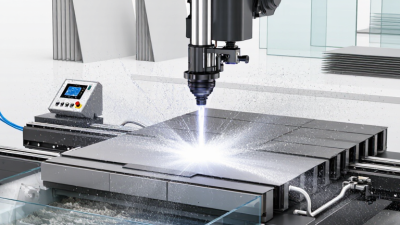
What Is a Water Jet Cutting System?
-
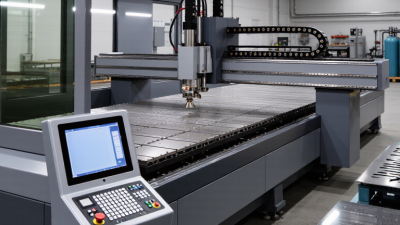
What Is the Best China Waterjet Machine for Sale?
-
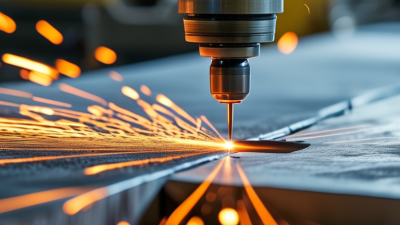
Top Water Jet Cutting Machine Manufacturers Worldwide
-
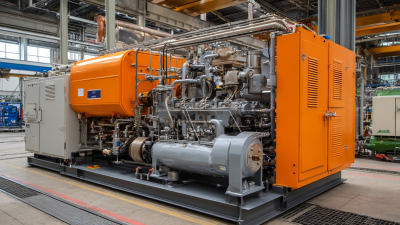
Understanding the Benefits of Water Jet Cutting Machines in Modern Manufacturing