Why Choose Waterjet Cutting Utah for Global Sourcing?

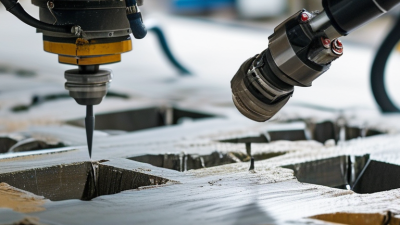
Choosing the right fabrication partner can determine whether an international project stays efficient or becomes expensive. Waterjet cutting Utah offers a practical bridge between local craftsmanship and global sourcing needs. Its abrasive water stream cuts steel, aluminum, stone, glass, and composite materials without creating a heat-affected edge. That matters when parts require clean surfaces, tight profiles, or careful finishing.

Utah-based fabricator Daniel R. Hale explains, “Reliable waterjet work begins with honest communication about material, tolerance, and delivery.” His observation reflects an important sourcing reality. Precision starts before the machine runs. Experienced teams review CAD files, material thickness, edge quality, packaging, and inspection requirements. They can also identify design details that may increase waste or shipping weight.

Small details matter.

A well-managed waterjet cutting Utah supplier can produce prototypes, replacement parts, and production batches from one documented process. Digital programming supports repeatability, while skilled operators check nozzle alignment, abrasive flow, and final dimensions. Those checks become especially valuable when components travel across borders and cannot be easily returned.

Still, no supplier is perfect. Buyers should request sample work, confirm measurable tolerances, and discuss realistic lead times. A polished website cannot replace inspection records or responsive communication. Global sourcing also requires careful coordination with freight providers, documentation teams, and the buyer’s own quality controls.

This article examines why Utah’s waterjet sector attracts international buyers. It considers technical capability, material flexibility, cost control, and service reliability. The goal is not to promise effortless sourcing. It is to show where informed decisions create stronger results.
Why Choose Waterjet Cutting Utah for Global Sourcing?

Understanding Waterjet Cutting Technology in Utah

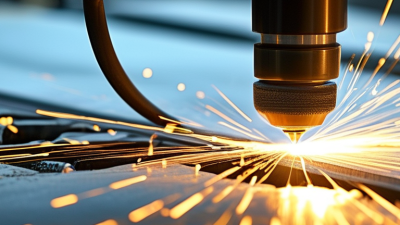
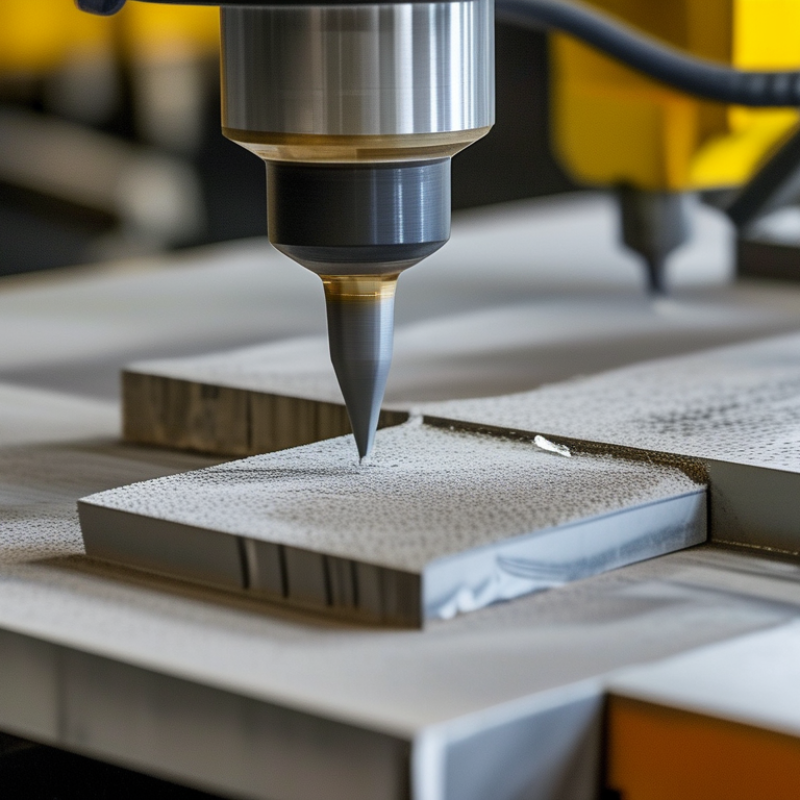
Understanding Waterjet Cutting Technology in Utah begins with its cold-cutting method. A high-pressure stream mixes water with fine abrasive grit. It can reach 30,000 to 90,000 psi, according to technical guidance from an international water-jetting trade association. Unlike lasers and plasma, it adds minimal heat to the workpiece. This reduces warping, hardened edges, and thermal discoloration. Operators can cut steel, aluminum, stone, glass, composites, and titanium. The typical kerf may measure about 0.8 to 1.5 millimeters, depending on the nozzle and material.

Utah suppliers can support global sourcing when they combine accurate cutting with disciplined inspection. A 2024 specialist market report projects roughly 7% annual growth for waterjet equipment through 2030. That growth reflects demand for flexible, low-heat processing. Still, the number alone does not prove quality. Experienced buyers should review tolerance records, material certificates, edge-finish samples, and packaging procedures. ISO 9001-based quality systems can improve traceability, but paperwork cannot replace a physical test cut. That is where sourcing plans sometimes fail.

Tips: Send a dimensioned drawing, material grade, thickness, tolerance, and finish requirement. Request a first-article sample before ordering production quantities. Ask how abrasive waste is handled and measured. Confirm the cutting table’s usable dimensions. A small detail matters. Also, allow time for shipping, customs documentation, and possible rework. Waterjet cutting is precise, but perfection is not automatic.ETwitter

Key Benefits of Utah-Based Waterjet Cutting Services

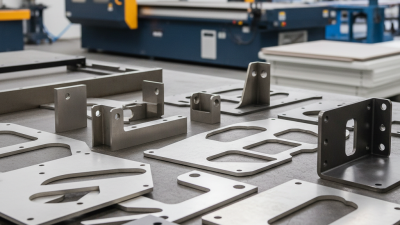
Utah-based waterjet cutting services can give global sourcing teams a practical production advantage. Local access supports clearer communication, faster sampling, and responsive engineering decisions. A digital drawing can become a stainless steel bracket, stone panel, or aluminum plate without heat-affected edges. This matters when materials are sensitive to distortion. Experienced operators adjust abrasive flow, cutting speed, and piercing settings for each project. Small details matter.

Utah’s location can simplify coordination with North American suppliers and international freight partners. Teams can review inspection photos, cutting reports, and packaged dimensions before shipment. That visibility reduces surprises during customs clearance or final assembly. Reliable providers verify material grade, thickness, tolerances, and edge condition against approved drawings. They should also protect finished parts with separators, film, or reinforced crates. These practices support traceability across several time zones.

Waterjet cutting is flexible, but it is not automatically perfect. Very thick parts may require slower production, while tight tolerances can increase costs. A rushed drawing can still create avoidable rework. Honest communication helps expose those risks early. Site visits, sample cuts, and measured first articles provide useful evidence before larger releases. Not every job fits one process. Careful review remains essential.

Why Choose Waterjet Cutting Utah for Global Sourcing? - Key Benefits of Utah-Based Waterjet Cutting Services
Sourcing Dimension Typical Waterjet Capability Why It Benefits Global Buyers Practical Consideration
Material Compatibility Cuts metals, stone, glass, ceramics, composites, rubber, foam, and layered materials without heat-affected zones. One qualified supplier can support multiple material categories and reduce the need to coordinate separate cutting processes. Confirm the material grade, thickness, surface condition, and required edge finish before quoting.
Cutting Thickness Abrasive waterjet systems commonly process thin sheet through approximately 150–200 mm material, depending on equipment and material type. Supports prototypes, replacement parts, architectural components, and heavy industrial profiles within one sourcing program. Maximum thickness is material- and geometry-dependent; thicker parts may require slower cutting and additional finishing.
Dimensional Accuracy Typical production tolerances are often around ±0.10 to ±0.25 mm, with tighter results possible under controlled conditions. Reliable dimensional control helps reduce assembly issues, rework, and overseas replacement shipments. The drawing tolerance should distinguish machine accuracy from part tolerance and inspection requirements.
Heat Management Cold cutting produces no significant heat-affected zone, thermal distortion, or heat-related metallurgical change. Useful for heat-sensitive alloys, laminates, composites, and parts where post-cut straightening would add cost and risk. Water exposure and abrasive residue should be considered for corrosion-sensitive or porous materials.
Prototype Flexibility No dedicated hard tooling is normally required; profile changes are made through CAD/CAM programming. Enables economical design revisions, short production runs, and staged product development for international projects. Programming, material setup, and inspection time should be included in the project schedule.
Edge Quality Cut quality varies by speed and setting; slower passes generally produce smoother edges and less taper than rapid cuts. Buyers can balance appearance, fit, and cost by specifying the required cut-quality grade for each component. Secondary grinding, deburring, polishing, or coating may still be needed for functional or cosmetic surfaces.
Digital File Compatibility Common manufacturing inputs include DXF, DWG, STEP, and other standard CAD formats, subject to supplier software capability. Standard file exchange simplifies collaboration across time zones and reduces manual drawing interpretation. Include units, scale, revision level, material specification, quantity, and tolerance notes in the release package.
Quality Documentation Available documentation may include material certificates, dimensional inspection reports, lot identification, and photographs, depending on the purchase order. Traceable records support customs documentation, incoming inspection, regulated supply chains, and repeat ordering. Documentation requirements should be agreed before production rather than requested after shipment.
Utah-Based Coordination A Utah production location can provide a U.S. time-zone contact point, domestic freight options, and regional access to western manufacturing markets. May simplify communication, sample approval, inspection coordination, and consolidated shipping for North American purchasing teams. International buyers should compare total landed cost, including freight, duties, insurance, lead time, and any required export documentation.
Data note: Capability ranges are typical industry references and can vary by machine configuration, material, part geometry, programming, inspection method, and agreed process specifications.

Material and Design Capabilities for Global Projects

Why Choose Waterjet Cutting Utah for Global Sourcing?

Material and Design Capabilities for Global Projects

Waterjet cutting supports global projects that demand varied materials and precise geometry. Utah-based cutting teams can process stainless steel, aluminum, copper, stone, glass, rubber, foam, and composites. Abrasive waterjet systems handle thick metal plates without creating a heat-affected edge. That detail matters when parts must be welded, coated, or assembled later. Cold cutting helps preserve the material's original properties.

Design flexibility is equally important. Digital CAD files can guide straight cuts, tight curves, internal openings, and detailed patterns. Experienced technicians review scale, kerf width, corner detail, and material thickness before production. They may also suggest nesting layouts that reduce waste and shipping volume. Small changes can save considerable material.

Files need checking.

For international sourcing, reliable documentation supports consistent results. Clear drawings should specify units, tolerances, surface expectations, revision numbers, and inspection points. Parts may receive dimensional reports, protective packaging, and labeled batches for easier receiving. Communication across time zones can still create delays. A missed decimal or outdated drawing can affect an entire shipment. That weakness deserves attention, not excuses. Practical suppliers confirm uncertain details before cutting, even when production pressure is high. This careful process connects Utah fabrication capabilities with demanding design requirements across global projects.

Quality Standards, Lead Times, and Production Reliability

Why Choose Waterjet Cutting Utah for Global Sourcing?

Global sourcing depends on repeatable quality, not attractive promises alone. A capable waterjet cutting facility should provide material certificates, inspection records, and traceable job documentation. Operators can verify dimensions with calibrated tools and coordinate measuring equipment when tighter tolerances matter. Clean edges and minimal heat distortion also protect downstream welding and assembly work. Small details become expensive when parts travel across borders.

Lead times need practical planning. A reliable supplier confirms material availability before accepting a production schedule. They should also explain cutting capacity, nesting efficiency, inspection time, packaging, and freight preparation. A clear production timeline reduces surprises between quotation and delivery. However, international shipping can still create delays. Weather, customs reviews, or incomplete documents may affect arrival dates. Honest communication matters more than unrealistic guarantees.

Production reliability comes from process discipline. Written work instructions, preventive maintenance, and checks between batches help maintain consistency. Experienced teams also review drawings carefully before cutting, especially when files contain conflicting dimensions. No operation is perfect. A misplaced decimal or unclear revision can cause rework. That is why approval samples, revision control, and direct technical communication remain valuable. For overseas buyers, responsive updates and secure packaging provide confidence from the first cut to final receipt.

Selecting a Utah Waterjet Partner for Global Sourcing

Selecting a Utah Waterjet Partner for Global Sourcing requires more than comparing hourly rates. Your partner must control accuracy, documentation, packaging, and export coordination. A capable shop should explain kerf compensation, material traceability, inspection methods, and realistic lead times. Ask for sample inspection reports, not only polished photographs.

UNCTAD’s Review of Maritime Transport 2023 states that about 80% of global merchandise trade by volume moves by sea. That makes inland preparation important. A Utah supplier should protect cut parts for long journeys, label every bundle clearly, and provide commercial documents without repeated corrections. The World Bank’s Logistics Performance Index 2023 also evaluates customs, infrastructure, shipment quality, and timeliness across 139 economies. These factors can affect a waterjet order after cutting is complete. I would not assume a technically strong shop automatically manages international logistics well. That assumption needs testing.

Tips: Request a trial order with your actual alloy and thickness. Confirm tolerance, edge condition, inspection frequency, crate design, and shipping responsibility in writing. Keep drawings revision-controlled. Ask how rejected parts are contained and replaced. A small communication gap can become an expensive delay. Also, review the partner’s experience with export paperwork and destination requirements, while verifying current rules independently. Availability may change. Even experienced teams occasionally miss a detail.

Why Choose Waterjet Cutting Utah for Global Sourcing?

Salt Lake City provides a central western-U.S. logistics position, with direct access to major interstate corridors and practical road connections to key regional markets. These approximate driving distances support supplier evaluation, freight planning, and delivery-time discussions when selecting a Utah waterjet partner for global sourcing.

Distances are approximate road distances from Salt Lake City to major U.S. markets and are intended for sourcing-planning context, not supplier-performance measurement.