China Top 10 Abrasive Water Jet Manufacturers
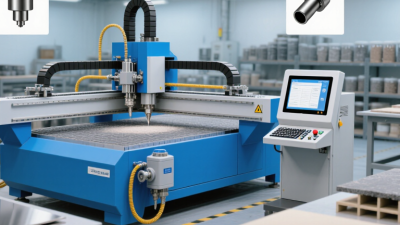
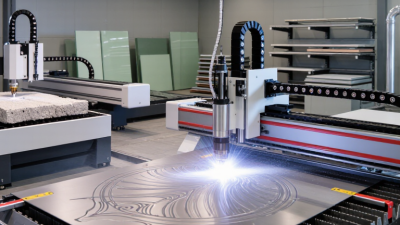
China’s abrasive water jet industry serves manufacturers that need to cut metal, stone, glass, and composite materials without heat-affected edges. Yet machine quality is not measured by cutting speed alone. Pump stability, nozzle design, positioning accuracy, spare-parts access, and technical support all matter on a busy shop floor. A clean cut is only part of the story.
Grand View Research estimated the global waterjet cutting machine market at about USD 1.1 billion in 2023, with projected growth through 2030. That figure covers waterjet cutting machines broadly; it should not be mistaken for an abrasive water jet market estimate alone. The distinction matters when comparing suppliers. Dr. John Olsen, co-founder of OMAX, is often associated with the observation, “Waterjet is the most versatile machine tool in the world.” Versatility is valuable, but it does not guarantee that every system suits every production line.
This guide introduces ten Chinese manufacturers and examines their equipment, application focus, export experience, and service capabilities. Buyers should verify specifications against actual materials and production needs, rather than relying on headline pressure or speed figures. Ask for sample cuts. Check the edge closely. A manufacturer’s published claims can be useful, but they are not a substitute for testing. Some comparisons remain imperfect because companies disclose different levels of technical detail. That is worth keeping in mind.
Abrasive Waterjet Cutting: Core Technology and Applications
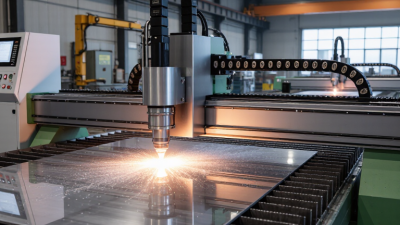
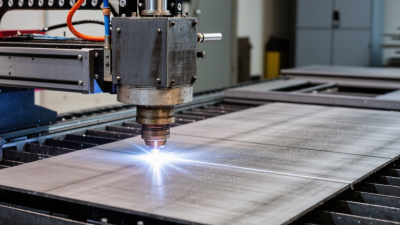
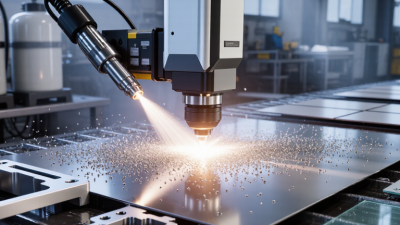
Abrasive waterjet cutting directs a high-pressure water stream through a small orifice, then mixes it with abrasive particles in a focusing tube. The accelerated particles erode material along a programmed path. This process cuts metal, stone, glass, and composites without a conventional heat-affected zone. Hashish’s foundational study in the Journal of Engineering Materials and Technology explains how jet energy and abrasive flow shape cutting performance. In practice, operators adjust pressure, feed rate, abrasive flow, and standoff distance. A worn focusing tube can widen the kerf and reduce precision. Small details matter.
The process suits parts that are sensitive to heat, including layered composites and thin sheet materials. It also handles thick plate, though cutting speed and edge quality depend on material and setup. Grand View Research valued the global waterjet cutting machine market at USD 1.06 billion in 2023 and projected a 5.3% compound annual growth rate through 2030. That forecast reflects broader industrial demand, not a guarantee for every workshop. Abrasive use, maintenance, and wastewater handling affect operating costs. The method is versatile, but not effortless. Cutting trials are still needed.
China’s Abrasive Waterjet Manufacturing Landscape
China’s abrasive waterjet manufacturing landscape reflects a broad industrial base, not just a list of machine suppliers. China’s National Bureau of Statistics reported that manufacturing value added grew 5.0% in 2023. That growth supports demand for equipment used to cut metal, stone, glass, and composite materials. The signal is useful, but it does not measure waterjet sales specifically.
Grand View Research estimated the global waterjet cutting machine market at about US$1.2 billion in 2023, with projected annual growth of 6.3% from 2024 to 2030. This broader market figure includes more than abrasive systems, so it should not be treated as a China-only forecast. Still, it points to continued investment in precision cutting. A factory visit tells a more concrete story: pump pressure, garnet feed, nozzle wear, and control stability all affect the cut edge and operating cost.
For buyers comparing Chinese manufacturers, published specifications are only a starting point. Ask for repeatability results on your own material thickness, plus details on pump maintenance and spare-parts availability. Request a live cutting trial. Watch the kerf, inspect the underside for taper, and check how quickly operators can change jobs. Not every shop needs the highest pressure. And a polished sample is not proof of long-term reliability. Independent service records and clear test conditions remain harder to compare than headline figures.
Criteria for Evaluating Chinese Manufacturers
When comparing Chinese abrasive water jet manufacturers, begin with evidence from machines similar to your planned work. Ask for recent cutting trials on your material, including thickness, edge taper, kerf width, and measured tolerance. A polished sample is not enough. Request nozzle and orifice service intervals, pump pressure stability data, and abrasive consumption per operating hour. These figures help reveal operating cost, not just purchase price. Check whether the control system supports the file formats and nesting workflow your operators already use. Small details matter.
Evaluate build quality in person when possible. Inspect frame welds, sealed electrical cabinets, hose routing, and access to routine service points. Ask how quickly replacement parts can ship to your region. Confirm access to remote diagnostics and practical operator training. Ask directly. Request references from users cutting comparable materials, then ask about downtime over a full production year. Certificates and brochures have value, but they cannot replace a witnessed acceptance test. I would still treat stated accuracy cautiously; measurement methods and test conditions differ. A factory visit may show only the best-running machine. That evidence can remain incomplete.
Profiles of China’s Top 10 Abrasive Waterjet Manufacturers
Profiles of China’s Top 10 Abrasive Waterjet Manufacturers are most useful when they explain capabilities, not just machine specifications. Compare cutting-head design, pump output, abrasive delivery, and available table sizes. These details affect edge quality, cutting speed, and how easily a system handles thick plate. A reliable profile should also describe testing procedures and the support available after installation. Buyers can then judge whether a machine fits their materials and daily workload.
Look for evidence behind performance claims. Ask whether sample cuts were made on materials similar to yours, and check the finish around corners and small holes. A manufacturer’s engineering experience matters, but so do spare-part access, operator training, and service response times. Ten profiles may reveal different strengths rather than one clear winner. No comparison is perfect. Ratings can overlook the realities of a busy workshop, so verify key details directly.
Tips: Request a cutting test using your own material and thickness. Confirm pump maintenance intervals, abrasive consumption, and installation requirements. Ask for a written service plan. Small details matter. A polished brochure is not proof of long-term reliability.
Comparing Equipment, Services, and Industry Applications
China’s leading abrasive water jet manufacturers should be compared by more than rated pressure. Check pump output, cutting-table dimensions, motion accuracy, abrasive delivery, and duty-cycle stability. A machine may cut thick steel well but struggle with repeatable small parts. Ask for test cuts using your own material, then inspect edge taper, kerf width, and abrasive use. Details matter.
Service can determine real production costs. Compare installation, operator training, remote diagnostics, and the availability of seals, nozzles, and pump components. Request a written response-time target and a sample maintenance schedule. Grand View Research’s Waterjet Cutting Machine Market report valued the global market at about US$1.2 billion in 2023 and forecast 7.3% annual growth from 2024 to 2030. This signals wider adoption, but it does not prove that every supplier offers equal support. Applications range from metal fabrication and stone work to glass and composite cutting; each calls for different process trials.
Tips: Compare total operating cost, not just purchase price. Record cutting speed, abrasive consumption, and downtime during a production trial. Small gaps in service can become expensive.