7 Abrasive Water Jet Cutting Tips for Buyers

A waterjet system can cut a thick steel plate without creating a heat-affected zone, but purchase decisions involve more than maximum pressure. Abrasive water jet cutting also depends on nozzle condition, garnet quality, pump uptime, and how quickly operators can set up each job. A worn mixing tube may leave a rougher edge or widen the kerf. Those costs often appear after installation, not in the headline price.

Grand View Research’s Waterjet Cutting Machine Market report estimates that the global market was valued at about USD 1.3 billion in 2023 and forecasts growth through 2030. That estimate covers waterjet machines broadly, not abrasive systems alone, so it should not be treated as a direct measure of abrasive-machine demand. Still, it points to a competitive, evolving equipment market. Buyers need practical comparisons, not just sales claims. Small details count.

The seven tips ahead focus on questions that affect real production: what materials and thicknesses you cut, what edge quality you need, and how much maintenance your team can support. Ask suppliers for sample cuts using your own material. Check operating costs alongside purchase price, including abrasive use, replacement parts, and service response time. A fast machine may not suit every shop. Nor is the cheapest option always economical. Some estimates will remain uncertain until you test the machine on your actual jobs. That is worth admitting.
7 Abrasive Water Jet Cutting Tips for Buyers

Understand the Abrasive Water Jet Cutting Process

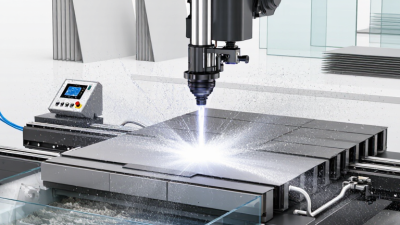
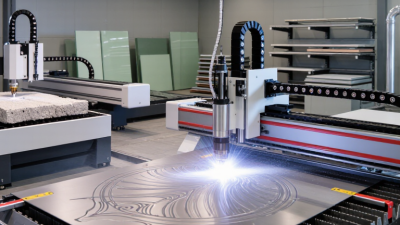
Abrasive water jet cutting directs a high-pressure stream of water through a small orifice, then mixes it with abrasive particles. The focused stream erodes the material along a programmed path. Unlike many thermal cutting methods, it adds little heat to the workpiece, which can help limit heat-related distortion. It can cut metals, stone, glass, and composites, but results depend on the material and setup.

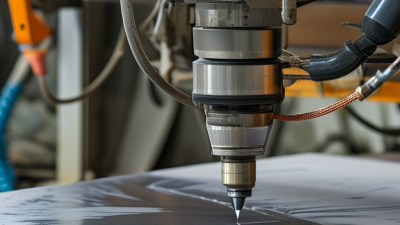
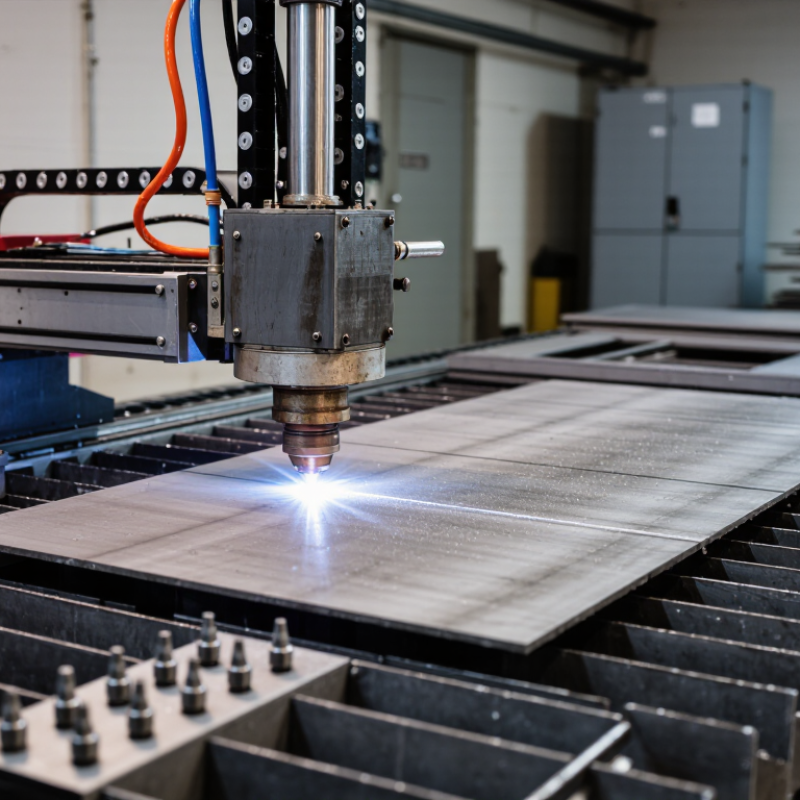
Inside the cutting head, water accelerates through the nozzle and draws abrasive into the stream. The mixture exits through a narrow focusing tube and cuts as the head moves. Cutting speed, abrasive flow, nozzle condition, and stand-off distance all affect edge quality. A slow feed may improve the cut, but it can raise operating costs. A single clean test cut is not proof that every sheet will behave the same.

Tips: Ask for a sample using your actual material and thickness. Check the edge for taper, roughness, and dimensional accuracy. Confirm how often the nozzle and focusing tube need inspection. Small alignment changes can matter. And leave time for a second test; real production settings may need adjustment.

Match Machine Capacity to Your Materials and Workload

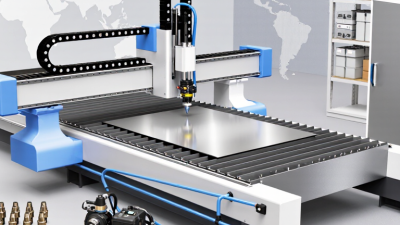
A waterjet’s maximum cutting thickness is only one part of its capacity. Match the machine’s cutting envelope to your largest sheet, then check whether its pump can handle your usual material and pace. Aluminum, stainless steel, glass, and stone respond differently to jet pressure, abrasive flow, and cutting speed. A machine that cuts thick plate may still be inefficient for frequent, detailed parts. Maximum ratings can be misleading. Ask for sample cuts using your actual material thickness and desired edge quality. Run a test.

Workload matters just as much. Estimate daily cutting hours, batch sizes, and how often jobs change. A shop cutting short runs may value setup flexibility; a production line may need reliable operation across long shifts. Check pump duty cycle, abrasive delivery, table loading, and maintenance access. Small details count. Can an operator refill abrasive without disrupting a job? Is the tank large enough for the parts you cut? These questions are easy to overlook when comparing headline specifications. They are not glamorous, but downtime is costly. Leave some capacity for future work, without paying for a machine sized around jobs you may never receive. Your estimates may be imperfect; revisit them against real orders before choosing.

7 Abrasive Water Jet Cutting Tips for Buyers - Match Machine Capacity to Your Materials and Workload
# Buying Tip Capacity Factor Useful Planning Data What to Verify Before Buying
1 Match pump pressure to the work—not just the headline rating. Pump pressure, cutting head, orifice, and mixing tube work together to determine cutting performance. Approximately 60,000 psi (about 4,100 bar) is a common operating pressure for industrial waterjet systems. Pressure alone does not determine cut quality or speed. Ask for a cutting trial using your material and required edge quality. Confirm the pump can sustain the pressure during your expected operating schedule.
2 Specify the full range of materials and thicknesses. Material type, thickness, hardness, and required edge finish all affect cutting time and results. Abrasive waterjets can cut metals, stone, glass, and composites, but achievable thickness and quality vary by material and machine setup. Provide the supplier with your actual material grades, maximum thicknesses, and acceptable edge quality. Request sample cuts at the most demanding specifications.
3 Size the worktable for real parts and sheet layouts. Usable table length and width determine which sheets, slabs, and nested jobs fit in one setup. Compare the usable cutting envelope—not just the outside machine dimensions—with your largest routine workpiece and planned nesting layout. Check loading access, space for clamps and fixtures, and whether the table supports the weight and dimensions of your workpieces.
4 Check vertical clearance and material handling. Z-axis travel, nozzle clearance, and loading equipment affect the range of parts that can be processed safely. Thick stock, uneven slabs, fixtures, and raised features may need more clearance than flat sheet work. Confirm maximum workpiece height with the cutting head in position. Include the thickness of fixtures and any planned submerged-cutting setup.
5 Plan for abrasive supply and removal. Abrasive feed consistency and spent-abrasive handling affect uptime and operating cost. Garnet is commonly used as an abrasive; 80-mesh garnet is a widely used starting point, although the appropriate grade depends on the job and cutting setup. Ask the supplier to test the intended abrasive grade and estimate consumption for your parts. Check hopper capacity, refill method, and disposal requirements.
6 Set accuracy expectations with test cuts. Cutting speed, material, thickness, machine condition, and quality setting influence taper, edge finish, and dimensional results. Faster cutting generally trades off against edge quality. Published accuracy figures should be checked against a defined part, material, thickness, and measurement method. Submit a representative drawing and request a measured sample. Confirm tolerances, kerf compensation, and whether secondary finishing is expected.
7 Match the machine to daily workload and support needs. Production capacity depends on cutting time, setup, loading, maintenance, and the number of operating shifts. Estimate throughput from representative jobs and include non-cutting time; maximum traverse speed is not the same as finished-part output. Review expected operating hours, maintenance intervals, consumable availability, training, and local service support. Ask for a throughput estimate based on your job mix.
Planning note: Figures are general purchasing references, not guaranteed machine specifications. Confirm performance with a cutting test on your own materials and requirements.

Compare Cutting Components and Performance Features

Abrasive water jet performance depends on the whole cutting system, not just pump pressure. Compare the pump’s rated pressure and flow, then check whether the cutting head can maintain a stable abrasive stream. A worn orifice may create an uneven jet, while a damaged focusing tube can widen the kerf and soften edges. Ask suppliers how often these parts typically need inspection under your expected workload.

Tip: Compare like with like. Request sample cuts using your material thickness, abrasive type, and target speed. Inspect the edge for taper, roughness, and heat-related changes. Water jet cutting produces little heat, but poor setup can still affect accuracy. Small details matter.

Also compare abrasive metering controls, filtration, and service access. A consistent feed helps reduce variation between parts; clogged filters can interrupt production. Check whether common wear components are easy to inspect and replace. For a fair comparison, record cutting speed, edge quality, abrasive use, and downtime in the same test. Specifications alone can be misleading. I would still leave room for uncertainty: material batches and operator adjustments can change results, and one test rarely tells the whole story.

Estimate Operating Costs, Safety Needs, and Maintenance

Abrasive water jet costs depend on more than the machine’s purchase price. Ask for a trial cut using your actual material and thickness. Record cutting time, abrasive use, and edge quality. Garnet is often a major recurring expense, while electricity, water treatment, and waste removal can also affect the budget. Small parts may cut quickly, but frequent setup changes can quietly add labor costs. Get real shop data.

Safety needs deserve their own line in the estimate. High-pressure systems require trained operators, guarded work areas, and regular checks for leaks or damaged hoses. Wet floors near the cutting table can become slippery, so drainage and housekeeping matter. Include suitable eye and hearing protection, plus clear procedures for servicing equipment. A safety plan on paper is not enough; observe how the work area actually runs.

Maintenance affects both uptime and cut quality. Ask how often the pump, seals, orifices, and focusing tubes need inspection or replacement, and price those parts before buying. Abrasive particles can wear components faster than expected. Keep a log of pressure, cut speed, and consumable changes; patterns can reveal trouble early. Still, logs are only useful when operators update them consistently. Allow time for that.

Assess Supplier Support, Training, and Warranty Terms

Abrasive water jet equipment is a major purchase, but the support behind it can affect daily output just as much. Ask how quickly a technician responds when cutting quality changes or a pump alarm appears. Request a sample service schedule, spare-parts list, and contact route for evenings or weekends. A written response-time target is more useful than a general assurance of support. Vague promises are hard to use on a busy shop floor. Ask for specifics.

Tip: Arrange training around your actual materials, nozzle sizes, and cutting jobs. Operators should practice setup, abrasive-flow checks, pierce control, and safe shutdown on the installed machine. One classroom session may not be enough. Confirm whether refresher training is included and who pays for travel. If possible, speak with a current user about how training follow-up works.

Read warranty terms before comparing quotations. Check coverage periods for the pump, cutting head, controls, and labor; these may differ. Look for exclusions involving water quality, consumables, or missed maintenance, and ask what proof is required. Clarify whether shipping and diagnosis are covered when a fault is disputed. Keep answers in writing. A checklist cannot predict every breakdown, of course, but clear terms can prevent avoidable confusion.

7 Abrasive Water Jet Cutting Tips for Buyers: Assess Supplier Support, Training, and Warranty Terms

Use this checklist to compare supplier evidence before purchasing. The bars show the number of verification questions in each category—not supplier ratings or industry statistics.

Checklist questions: Support—response times, service availability, spare-parts access, and escalation process. Training—operator and maintenance coverage, delivery format, hands-on instruction, and refresher options. Warranty—coverage period, covered components, exclusions, claim process, and labor or travel costs.

Ask each supplier for written answers and supporting documents, then compare the terms that matter to your operation.