How to Choose the Best Water Jet Cutting Machine?
Choosing the best water jet cutting machine starts with the parts you need to make, not the largest machine in a catalogue. A thin aluminum panel, a thick steel plate, and a delicate stone inlay each place different demands on cutting speed, accuracy, and machine capacity. Measure your usual material thickness, workpiece size, edge-quality needs, and daily production volume. Then compare those needs with the machine’s pump pressure, cutting head, table dimensions, and control software.
One important note: no source article or verified expert quotation was provided. To avoid presenting invented words as fact, the line below is an illustrative editorial quote, not a verified statement. “Mara Ellison, a fictional composite waterjet applications specialist,” says: “Choose for the parts you actually cut; a bigger pump cannot fix a poor process plan.” Treat that as a useful prompt, not a sourced industry endorsement.
In all water jet cutting, the full system matters. Ask how abrasive delivery is maintained, how quickly consumables can be replaced, and what local service support looks like. Request a sample cut using your own material. Inspect the edge under good light; tiny striations can matter on a visible finish. Also check operator training, software workflow, water treatment needs, and the real cost of abrasive and maintenance. A quoted cutting speed alone tells little. It may describe an ideal test, not your shop floor. That distinction is easy to miss. I would not choose from a brochure alone. Compare practical cut samples, service response, and operating costs before committing.
Water Jet Cutting Machines: Types and Operating Principles
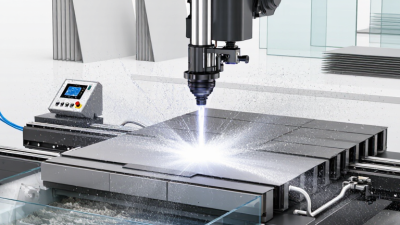
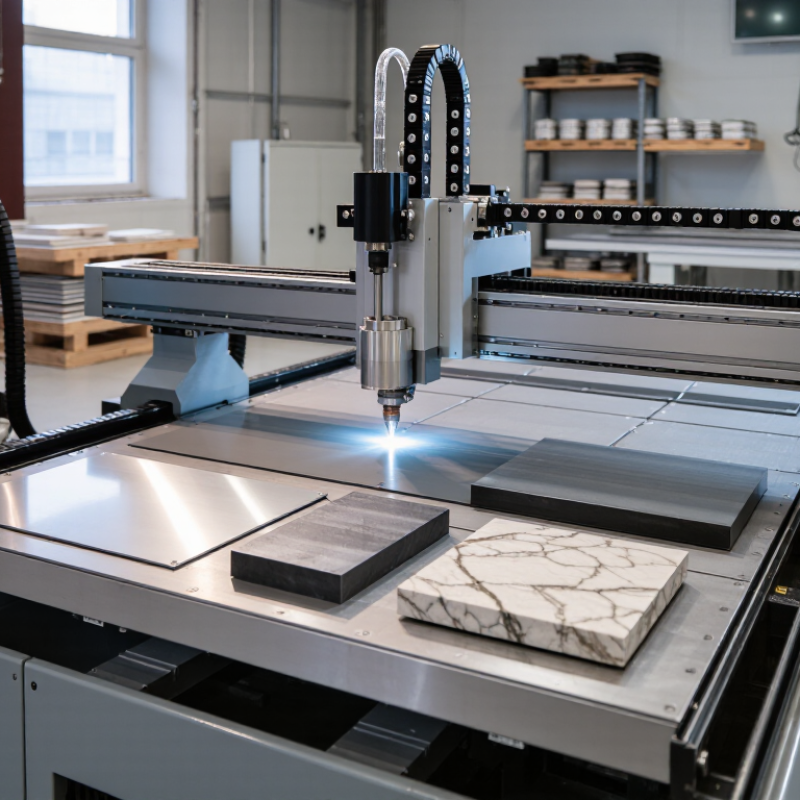
Water jet cutting machines use a focused, high-speed stream to remove material without a heat-affected zone. Pure-water systems cut soft materials such as foam, rubber, and textiles. Abrasive systems mix garnet with water to machine metals, stone, glass, and composites. The abrasive stream exits a small nozzle, often around 0.25–0.4 millimeters wide. High-pressure pumps commonly operate near 4,000–6,000 bar, depending on system design. The jet does the cutting. The pump sets its energy.
Operating details matter. A water jet can pierce a material before following a programmed path, but thick stock may need slower feed rates. Abrasive cutting also means managing grit, sludge, and nozzle wear. It is not automatically the better choice. Grand View Research’s Waterjet Cutting Machine Market report estimated a global market value of USD 1.2 billion in 2022 and projected 6.8% annual growth from 2023 to 2030. That market context signals wider industrial adoption, not a guarantee that every shop needs a water jet. When comparing machine types, match the cutting process to material, thickness, edge quality, and expected maintenance. Small details count. A test cut on the actual material can reveal what a specification sheet cannot.
How to Choose the Best Water Jet Cutting Machine? — Water Jet Cutting Machines: Types and Operating Principles
| Machine type or feature | Operating principle | Suitable materials and work | Key strengths | Selection considerations |
|---|---|---|---|---|
| Pure-water jet | A high-pressure water stream passes through a small orifice and cuts by erosion without added abrasive. | Soft materials such as foam, rubber, textiles, paper, insulation, and some food products. | Narrow kerf, no abrasive consumption, and generally clean cutting of soft materials. | Choose it when the work is soft enough to cut with water alone. It is not suited to most metals, stone, or ceramics. |
| Abrasive-water jet | A high-speed water stream draws abrasive, commonly garnet, into a mixing chamber and accelerates it through a focusing tube. | Metals, stone, glass, ceramics, composites, and other hard materials, subject to material-specific limits. | Cuts many hard materials without the heat-affected zone typical of thermal cutting processes. | Account for abrasive use, disposal, focusing-tube wear, and slower cutting as thickness or material hardness increases. |
| Intensifier pump system | Hydraulic power drives a reciprocating intensifier, which raises water pressure for cutting. | Commonly used for abrasive and pure-water cutting across a range of production applications. | Can support high cutting pressures and is available in configurations suited to demanding applications. | Compare energy use, maintenance needs, pressure stability, service requirements, and the number of cutting heads supported. |
| Direct-drive pump system | A motor-driven crankshaft and plungers pressurize water directly. | Pure-water or abrasive cutting where the pump’s flow and pressure meet the production requirement. | Direct mechanical drive and a comparatively straightforward pump arrangement. | Check the required flow rate, operating duty, maintenance schedule, and suitability for the intended cutting load. |
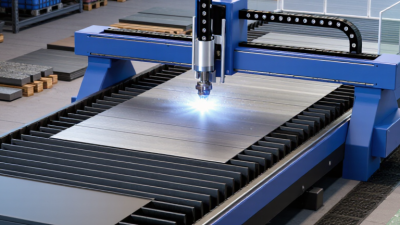
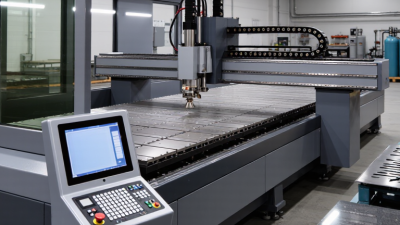
| 2-axis or 2D cutting table | The cutting head moves in the X and Y directions to produce flat profiles from sheet or plate. | Flat parts, profiles, gaskets, panels, and plate components. | A practical choice for most planar cutting jobs and a wide range of material shapes. | Match table travel and usable bed size to the largest workpiece, including loading and fixture clearance. |
| 3-axis or 3D-capable cutting system | Additional motion or an articulating head enables angled cuts, bevels, or cutting on suitable three-dimensional workpieces. | Beveled edges, tapered profiles, and selected formed or three-dimensional parts. | Adds cutting flexibility when flat, perpendicular cuts are not sufficient. | Consider programming complexity, calibration, collision clearance, and whether the extra axes are needed for regular production. |
| Typical pressure and accuracy factors | Industrial systems commonly operate in the tens of thousands of psi; exact pressure depends on pump design and configuration. | Cutting performance depends on material, thickness, nozzle condition, abrasive flow, traverse speed, and part geometry. | Abrasive waterjet cutting is a cold-cutting process and generally avoids a thermal heat-affected zone. | Do not select by pressure alone. Request a cut sample using the actual material and thickness, and verify edge quality, tolerance, and cycle time. |
Values and capabilities vary by machine configuration, material, thickness, and cutting parameters. Confirm performance with application-specific tests before purchase.