Top Water Jet Cutting Machine Manufacturers Worldwide
The global waterjet cutting machine market is expanding as manufacturers seek precise, cold-cutting solutions for metal, stone, glass, composites, and aerospace materials. Fortune Business Insights estimated the market at approximately USD 1.10 billion in 2023. Its report projects continued growth through 2032, supported by industrial automation and demand for cleaner cutting processes. MarketsandMarkets also identifies aerospace, automotive, and fabrication as important application sectors. However, published estimates differ because researchers define the market differently. No ranking is flawless.
Technical capability matters more than shipment volume. A reliable waterjet cutting machine should deliver stable pressure, accurate motion control, efficient abrasive management, and accessible service support. In a busy fabrication workshop, this means cleaner edges, fewer heat-affected zones, and less secondary finishing. Those details affect real operating costs. They also reveal whether a manufacturer understands production, not just equipment sales.
Dr. John Olsen, a respected waterjet pioneer and OMAX founder, described the technology as “the most versatile machine tool in the world.” That statement remains persuasive, although it should not end the discussion. Buyers must compare pump durability, cutting-head design, software integration, energy use, training, and global support. Experience from fabricators is equally valuable. A machine may look impressive in a showroom, yet struggle during a twelve-hour production shift. This guide examines leading manufacturers worldwide through measurable performance, engineering expertise, customer support, and documented industry presence. Some conclusions remain open to debate. That is intentional. Reliable purchasing decisions require evidence, not confident slogans.
What Is a Water Jet Cutting Machine?
Top Water Jet Cutting Machine Manufacturers Worldwide
What Is a Water Jet Cutting Machine?
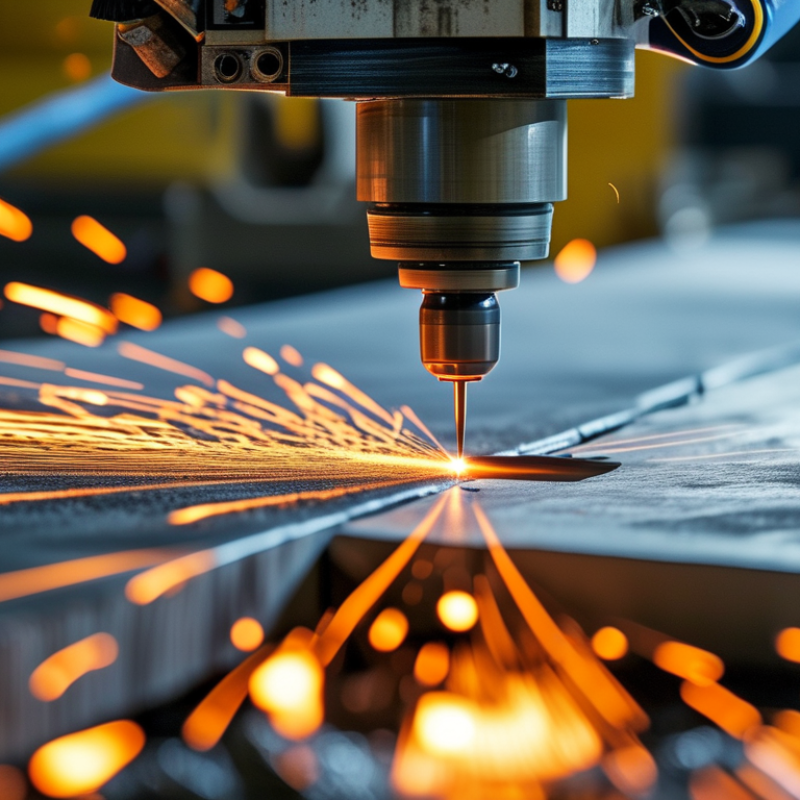
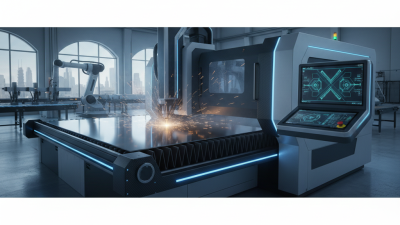
A water jet cutting machine uses a narrow, high-pressure stream to cut solid materials. A pump pressurizes water, often between 3,000 and 6,000 bar. The stream then passes through a tiny orifice. Pure water cuts rubber, foam, textiles, and other soft materials. Abrasive water jet systems add fine garnet particles to cut steel, stone, glass, and composites. The jet removes material through erosion, not heat. That difference matters. It reduces heat-affected zones and protects many temperature-sensitive materials. Still, it does not make every cut perfect.
Most systems include a cutting head, motion table, abrasive delivery unit, and CNC controller. The controller follows digital geometry while an operator monitors the process. Water quality, nozzle wear, pressure stability, and abrasive flow affect accuracy. A worn orifice can widen the stream and create taper. Poor fixturing may leave marks underneath the workpiece. In practical workshops, technicians often inspect sample edges before full production. They adjust cutting speed and abrasive flow for thickness and hardness. This step is easy to skip. That is a mistake. Water management also requires attention. Used water and abrasive sludge need controlled collection and compliant disposal. The machine is versatile, but it can be noisy, slow on thick sections, and costly to operate. Its value depends on edge quality, material, production volume, and maintenance discipline.
How Water Jet Cutting Technology Works
Top Water Jet Cutting Machine Manufacturers Worldwide
Water jet cutting turns pressure into a controlled machining action. A high-pressure pump drives water through a tiny sapphire or diamond orifice. Pressures commonly reach 60,000 psi, while newer systems may approach 90,000 psi. The narrow stream removes material through erosion, not melting. Heat-affected zones are largely absent. For steel, stone, glass, and composites, this difference can protect edge properties. When cutting tough metal, garnet abrasive is mixed into the jet after the orifice. Pure water suits softer materials.
A CNC controller coordinates motion, pressure, abrasive flow, and cutting height. The nozzle must stay close to the surface. Too much standoff widens the jet and increases taper. Feed rate matters just as much. Slow travel can improve penetration, but it may widen the kerf and raise operating cost. Fast travel leaves striations or incomplete cuts. A 2024 Grand View Research market assessment expects roughly 6% annual growth through 2030. That growth reflects demand for flexible, cold-cutting processes.
Operators still face trade-offs. Pump efficiency, abrasive recycling, nozzle wear, and wastewater handling affect real cost. Technical guidance from the Water Jet Technology Association emphasizes inspection, pressure safety, and verified component limits. Those controls are not paperwork. They prevent unstable jets and premature failures. Shop-floor experience shows that water jet cutting is powerful, but not automatically precise. A poorly aligned nozzle can spoil an expensive sheet. That uncomfortable lesson deserves more attention.
Key Factors for Comparing Global Manufacturers
Comparing global water jet cutting machine manufacturers requires more than checking horsepower or catalog prices. The 2024 Fortune Business Insights report values the global market at about USD 1.22 billion in 2023. It projects continued growth through 2032. That expansion increases supplier choice, but it also makes technical verification harder.
Start with cutting accuracy, pump stability, and abrasive delivery. Ask for measured tolerances on materials similar to yours, not only laboratory samples. The 2024 Grand View Research report identifies automotive, aerospace, and metal fabrication as major demand sectors. These industries usually require repeatable cuts, documented maintenance, and reliable machine uptime. Request test pieces with narrow slots, internal corners, and thick plate sections. Small defects become expensive after assembly.
Service capability deserves equal weight. Check local technician coverage, spare-part lead times, software updates, and operator training. MarketsandMarkets estimates that the waterjet cutting machine market may grow at roughly 5% annually through 2028, depending on market scope. That figure is useful, but not absolute. Research definitions differ. A supplier should explain its assumptions. Compare energy consumption, pump rebuild intervals, warranty exclusions, and total cost per cutting hour. A lower purchase price can hide costly downtime. I would also review three customer references, though references can be selective. Independent trials remain more trustworthy.
Leading Water Jet Cutting Machine Manufacturers Worldwide
Top Water Jet Cutting Machine Manufacturers Worldwide
Leading Water Jet Cutting Machine Manufacturers Worldwide are responding to stronger demand for accurate, cold-cutting production. Grand View Research estimates that the global waterjet cutting machine market will grow steadily through 2030, supported by aerospace, automotive, stone, and metal fabrication applications. Its analysis also identifies automation and multi-axis control as important development areas.
Reliable manufacturers typically demonstrate more than cutting speed. They provide verified pump performance, nozzle-life data, software support, operator training, and accessible spare parts. A well-designed system should cut steel, glass, stone, and composites without creating a heat-affected zone. That detail matters on a shop floor, where edge quality can reduce secondary finishing work.
The numbers vary. MarketsandMarkets reports a strong growth outlook for waterjet equipment, while other studies use different market boundaries and reach different valuations. That uncertainty deserves attention. Buyers should compare test-cut results, energy consumption, abrasive use, uptime records, and service response times. A machine may look impressive in a demonstration, yet perform differently under continuous production loads. Ask for evidence.
Experienced manufacturers also understand regional requirements, including electrical standards, safety controls, wastewater handling, and operator competency. Independent testing and documented maintenance procedures strengthen credibility. Cutting accuracy is not only a brochure specification. It is measured at the table, during repeated jobs, with real material variation.
Applications and Industry Trends in Water Jet Cutting
Water jet cutting is moving from a specialist process into wider industrial production. A 2024 assessment by MarketsandMarkets valued the global waterjet cutting machine market at about USD 1.1 billion in 2023. It forecasts growth to nearly USD 1.5 billion by 2028, with a compound annual growth rate of approximately 6.6%. Demand is rising because water jets cut steel, stone, glass, composites, and titanium without creating a heat-affected zone. That matters for aerospace panels and heat-sensitive laminates. It also reduces secondary grinding in many workshops.
Automation is shaping current applications. Manufacturers are combining robotic handling, digital nesting, and five-axis cutting heads. Automotive suppliers use these systems for prototypes, interior panels, and lightweight materials. Construction workshops process thick stone and ceramic slabs with cleaner edges. According to Grand View Research, digital control and automated material handling are important market drivers through 2030. The figures vary between reports, so buyers should question optimistic forecasts. Real gains depend on pump efficiency, abrasive use, operator skill, and maintenance discipline.
Tips: Match pressure and nozzle size to the material. Test a small sample first. Record cutting speed, abrasive flow, and edge quality. Do not judge productivity by speed alone; water, garnet, downtime, and rework can change the final cost. A technically impressive machine may still perform poorly without trained operators and a stable cutting plan.
Top Water Jet Cutting Machine Manufacturers Worldwide - Applications and Industry Trends in Water Jet Cutting
| Application Area | Typical Materials | Water Jet Configuration | Typical Operating Range | Key Manufacturing Benefit | Current Industry Trend |
|---|---|---|---|---|---|
| Aerospace and aviation | Aluminum alloys, titanium, nickel alloys, carbon-fiber composites and honeycomb panels | Abrasive water jet; multi-axis cutting for contoured parts | Approximately 3,000–6,000 bar; abrasive garnet is commonly used for hard materials | Cold cutting with minimal heat-affected zone and low risk of thermal distortion | Growing use of five-axis motion, robotic work cells and digital inspection workflows |
| Automotive manufacturing | Steel, stainless steel, aluminum, rubber, gaskets, interior composites and glass | Pure water jet for soft materials; abrasive water jet for metals and glass | Approximately 2,000–6,000 bar, depending on material thickness and cutting speed | No heat discoloration, burr reduction and flexible processing for prototypes and short runs | More automated nesting, quick-change cutting heads and integration with production software |
| Metal fabrication | Carbon steel, stainless steel, copper, brass, aluminum and nickel-based alloys | Abrasive water jet with CNC motion control | Approximately 3,000–6,000 bar; cutting capacity varies with thickness and machine design | Processes reflective metals that can be difficult for some laser systems and avoids a thermal cutting zone | Demand for larger work envelopes, higher pump efficiency and reduced abrasive consumption |
| Stone, tile and architectural materials | Granite, marble, limestone, porcelain, ceramic tile and engineered stone | Abrasive water jet, often combined with CAD/CAM nesting | Approximately 3,000–6,000 bar; abrasive selection depends on edge quality and material hardness | Intricate inlays, curved profiles and internal cutouts without heat cracking | Expansion of digital pattern libraries, automated material positioning and water recycling systems |
| Glass processing | Architectural glass, laminated glass, borosilicate glass and specialty glass | Fine abrasive water jet with controlled feed rate | Commonly operated within approximately 3,000–5,000 bar | Cold processing reduces thermal stress and supports complex shapes and holes | Improved taper compensation, automated edge-quality control and safer enclosed cutting areas |
| Composite materials | Carbon-fiber-reinforced polymer, glass-fiber-reinforced polymer and sandwich panels | Abrasive water jet with dust-control and suitable fixturing | Approximately 2,500–5,500 bar, adjusted to laminate construction and thickness | Low thermal load and reduced risk of resin burning compared with thermal cutting methods | Greater use in lightweight transportation, wind-energy components and precision trimming |
| Food processing and hygiene equipment | Food products, frozen products, rubber, foam and selected polymer materials | Pure water jet using food-compatible process controls | Often approximately 1,000–4,000 bar, depending on product and cutting objective | No blade contact, low mechanical deformation and clean cutting for selected products | Focus on hygienic design, automated sanitation and closed-loop water management |
| Electronics and precision components | Ceramics, circuit-board materials, thin metals, glass and engineered laminates | Fine abrasive or pure water jet with precision CNC control | Approximately 2,000–5,000 bar; fine nozzle and abrasive control are important | Small kerf, low heat input and suitability for brittle or heat-sensitive materials | Increasing adoption of micro-cutting, high-accuracy motion systems and automated part handling |
| General job shops and prototyping | Mixed metals, plastics, rubber, foam, stone, glass and composites | Versatile CNC water jet platform with interchangeable cutting options | Common industrial range of approximately 3,000–6,000 bar | One machine can process many material categories without dedicated thermal tooling | Cloud-connected scheduling, automated quoting, remote diagnostics and improved nesting algorithms |
Note: Operating ranges are indicative industrial values. Actual pressure, cutting speed, thickness capacity, kerf width and edge quality depend on pump power, nozzle condition, abrasive type, material properties, machine configuration and CNC settings.
Related Posts
-
Best Water Jet Cutting Machines for Precision Cutting?
-
Top Benefits of Waterjet Cutting for Your Manufacturing Needs
-
10 Essential Tips for Effective Waterjet Cutting: Maximize Precision and Efficiency
-
The Ultimate Guide to Choosing the Best Waterjet Machine in 2025
-
Top Benefits of Local Water Jet Cutting for Precision Manufacturing?
-

Why Choose Waterjet Cutting Services in Seattle for Your Precision Needs?