2026 How to Use Abrasive Water Jet for Effective Cutting?
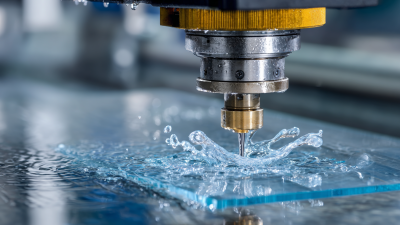
Abrasive water jet cutting has become a vital technique in various industries. It utilizes a high-pressure stream of water mixed with abrasive materials to cut through a range of materials effectively. This method is particularly favored for its versatility and precision, making it a go-to choice for metal, stone, and glass cutting.
Operators may find it challenging to master the abrasive water jet process. Factors like pressure, speed, and abrasive quality can greatly influence the cutting outcomes. Knowledge of these variables is essential for achieving optimal results. Selecting the right abrasive material can be difficult, but it directly affects cutting efficiency and quality. Therefore, a thoughtful approach is necessary for effective application.
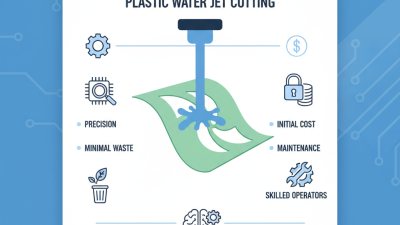
The benefits of using an abrasive water jet include minimal thermal impact and the ability to create complex shapes. However, there are also considerations to keep in mind. For instance, abrasive water jets can be wasteful if parameters are not set properly. Striking a balance between efficiency and quality requires ongoing analysis and adjustment. Understanding these complexities can enhance the cutting experience and result in superior outcomes.
Understanding Abrasive Water Jet Cutting Technology
Abrasive water jet cutting technology is revolutionizing various industries. It combines high-pressure water with abrasive particles to cut through tough materials. This method is versatile. It can work on metals, glass, and even stone. Due to its precision, it minimizes waste, making it eco-friendly.
Understanding the mechanics is crucial. A water jet cutter ejects water at extremely high speeds. This creates a powerful jet that can penetrate hard surfaces. However, mastering this technology involves challenges. Operators need training to achieve optimal results. Inexperience can lead to undesirable finishes or excess material loss.
The benefits are significant. They include smooth cuts and reduced heat-affected zones. However, not every application suits abrasive water jets. Some materials require different cutting technologies. Operators must evaluate project needs before proceeding. This reflection can lead to more effective outcomes in the long run.
Key Components of an Abrasive Water Jet System
The abrasive water jet cutting system is a powerful solution for various materials. Key components define its efficiency and effectiveness. The mixing chamber plays a crucial role. Here, water and abrasive materials combine at high pressure. This fusion creates a focused jet that cuts through tough surfaces.
High-pressure pumps are another essential element. They generate the intense pressure needed for the system. These pumps often require regular maintenance to ensure optimal performance. An often overlooked component is the nozzle. Its design affects the jet's precision and speed. If worn or damaged, the cut quality diminishes.
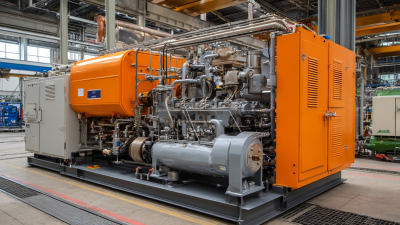
Control systems are vital too. They regulate the water flow and abrasive feed rate. Precision in these systems is crucial for effective cutting. Operators need training for optimal settings. The complexity of adjustments can be daunting. Regular checks and calibrations may reveal areas needing improvement. Each part of the system must work in harmony for success. Careful attention to all components results in better cutting outcomes.
Step-by-Step Process of Using a Water Jet for Cutting
Using an abrasive water jet for cutting is a precise method, ideal for various materials. The step-by-step process begins with selecting the right abrasive material. Garnet is widely noted for its effectiveness and availability. A well-calibrated water jet can achieve a tolerance of ±0.005 inches, making it suitable for intricate designs.
Next, prepare the workspace. Ensure you have a clean and stable surface to support your material. Dust and debris can interfere with the cut quality. Water pressure management is crucial. The ideal pressure ranges between 30,000 to 60,000 psi for most applications, according to industry standards.
**Tip:** Always perform a test cut on a scrap piece. This not only checks the settings but helps to fine-tune the pressure and speed.
Once you've set the machine, monitor the cutting process closely. Abrasive wear is a factor that may require adjustments. Regularly check the nozzle for signs of wear to maintain optimal performance. Inconsistent cuts often indicate a nozzle that needs replacement.
**Tip:** Keep a log of your settings for each material type. Learning from past cuts ensures better future results.
By following these steps, you can effectively harness the power of abrasive water jets in your cutting projects. Attention to detail and regular maintenance can improve accuracy and output quality.
2026 How to Use Abrasive Water Jet for Effective Cutting?
| Step |
Description |
Tools Required |
Material Type |
| 1 |
Prepare the Workspace |
Protective gear, Clean surface |
N/A |
| 2 |
Select Appropriate Material |
Material samples |
Metal, Stone, Glass |
| 3 |
Adjust Water Jet Settings |
Water jet machine |
N/A |
| 4 |
Conduct Test Cuts |
Test pieces |
Same as selected material |
| 5 |
Perform Cutting Operation |
Water jet machine, Abrasive material |
Metal, Stone, Glass |
| 6 |
Inspect Cut Quality |
Measuring tools |
N/A |
| 7 |
Clean Up Workspace |
Cleaning supplies |
N/A |
Applications of Abrasive Water Jet Cutting in Various Industries
Abrasive water jet cutting is revolutionizing various industries. This method combines high-pressure water with abrasive particles to cut through materials effectively. It is especially valuable in sectors like aerospace, automotive, and metal fabrication. This technique can handle hard materials like titanium and composites that are challenging for traditional cutting methods.
In the aerospace industry, for instance, the precision of abrasive water jet cutting allows for intricate designs without compromising material integrity. This means safer and lighter aircraft. Similarly, in metal fabrication, complex shapes can be cut easily, enhancing design flexibility. However, achieving optimal results requires skilled operators who understand the nuances of the technology. They must adjust water pressure and abrasive flow for different materials.
Despite its advantages, there are areas for improvement. Sometimes the edge quality may not meet expectations, requiring further finishing processes. The cost of operation can also be high, limiting its use for small-scale projects. These challenges highlight the need for continuous learning and adaptation in the use of abrasive water jet cutting. Staying updated on advancements ensures efficiency and quality is maintained in this evolving field.
Abrasive Water Jet Cutting Applications in Various Industries
Safety Measures and Best Practices for Water Jet Cutting
When working with abrasive water jet cutting, safety is paramount. Operators should wear personal protective equipment (PPE) including safety glasses, gloves, and ear protection. Water jets can create hazardous mist and debris. Proper attire minimizes risk and increases safety during operation. Additionally, workplace cleanliness plays a critical role. A clutter-free area allows for unhindered movement and reduces potential accidents.
Furthermore, understanding the machine's operation is vital. Operators need training to handle water jet technology effectively. They should periodically inspect equipment for signs of wear or malfunction. Regular maintenance helps prevent unexpected failures. This practice ensures smooth operation and safety.
Being aware of the surrounding environment is also essential. Operators should stay alert for nearby personnel when cutting. Clear communication among team members improves safety. Mistakes can happen, and the consequences can be severe. Therefore, staying vigilant and adhering to safety protocols is crucial in this high-stakes environment.