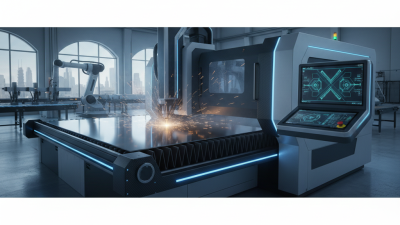
China Top 10 All Water Jet Cutting Machine Manufacturers
China’s waterjet sector has become a serious manufacturing force, serving aerospace, stone, automotive, electronics, and metal fabrication. This introduction examines China’s top 10 all water jet cutting machine manufacturers through practical industry criteria. These include pump stability, cutting accuracy, software capability, service response, and replacement-part availability.
Market evidence supports this focus. Grand View Research estimates that the global waterjet cutting machine market was worth about USD 1.2 billion in 2023. Its report also projects continued growth through 2030, driven by demand for precise, cold-cutting processes. MarketsandMarkets similarly identifies aerospace, automotive, and construction as major application sectors. However, published estimates differ. That matters.
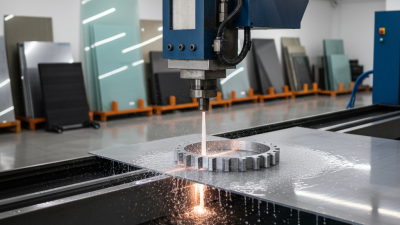
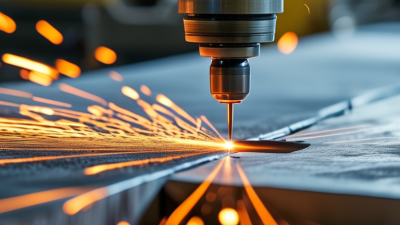
A waterjet can slice stainless steel, granite, glass, and composites without creating a heat-affected zone. On a factory floor, this means fewer burned edges and less secondary finishing. The result depends on more than machine price. Pump efficiency, abrasive delivery, nozzle life, motion control, and operator training can change the final cost significantly. Dr. Mohamed Hashish, a pioneer in waterjet technology, described the process as “one of the most versatile and environmentally friendly manufacturing processes.” His observation remains relevant, although environmental performance still depends on abrasive disposal and electricity consumption.
This ranking does not treat marketing claims as proof. It compares visible engineering capabilities with reported customer applications and export experience. Some manufacturers publish limited technical data, creating unavoidable gaps. No ranking is perfect. Buyers should verify tolerance tests, service coverage, and real cutting samples before purchasing. The following guide presents ten Chinese manufacturers worth examining in the all water jet cutting market.
All-Waterjet Cutting: Principles, 60,000–90,000 PSI, and Core Components
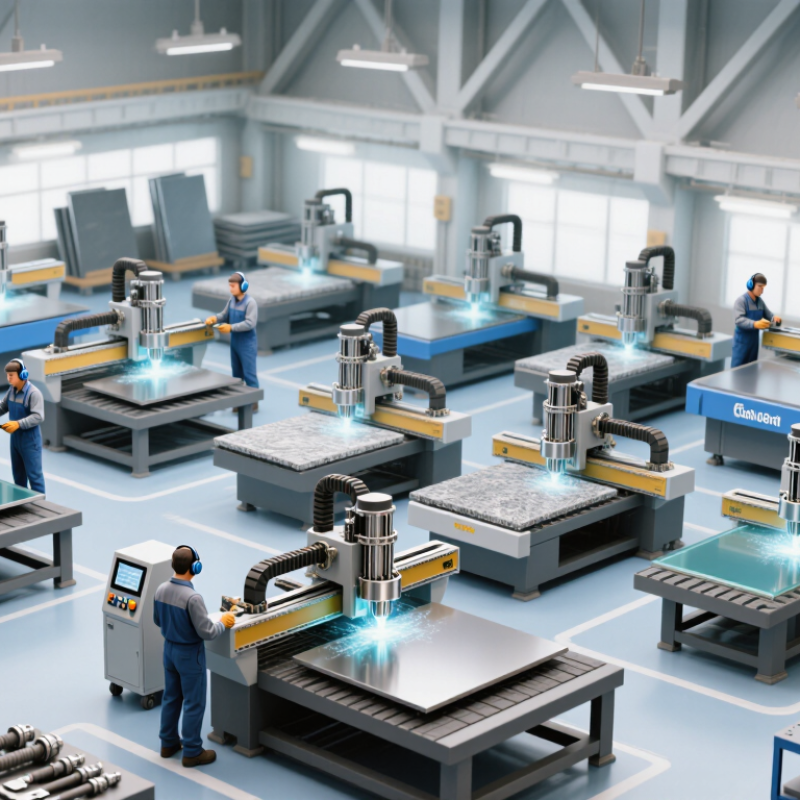
All-waterjet cutting uses a focused stream of water without abrasive grit. A pump raises pressure to roughly 60,000–90,000 PSI, or 4,100–6,200 bar. The water passes through a tiny jewel orifice. Pressure becomes velocity. The jet removes material through erosion and localized fracture. It produces little heat. That matters. Plastic, rubber, foam, food products, insulation, and soft composites are common targets. Hard steel is usually a poor match for pure water cutting.
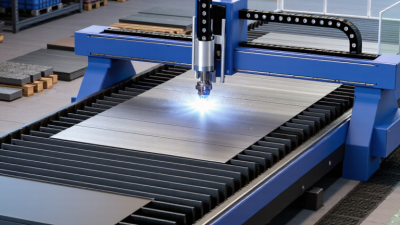
A reliable machine depends on more than PSI. Its intensifier or direct-drive pump must deliver stable flow. High-pressure tubing, fittings, seals, and the cutting head carry that load. A small orifice defect can widen the kerf and damage edge quality. The gantry, servo drives, and controller coordinate speed, height, and cutting paths. A catch tank absorbs the jet after cutting. Filtration protects the pump and limits suspended debris. Operators should inspect leaks, pressure stability, nozzle alignment, and emergency controls before production. These checks provide practical evidence of engineering quality.
When comparing manufacturers in China’s top-ten market, buyers should request test cuts using their own material. Published pressure alone proves little. Ask for pump duty cycles, component origins, service records, calibration methods, and realistic tolerance data. A clean sample may hide difficult corners or long-run drift. That weakness deserves attention. Field testing can also reveal frustrating maintenance access. All-waterjet systems need less cutting debris, but pumps and water management still require planning. Measured results, operator experience, and transparent service records should guide the purchasing decision.
Ranking China’s Top 10 Manufacturers by Accuracy, Flow Rate, and Service
China’s top ten all water jet cutting machine manufacturers are ranked by accuracy, flow rate, and service quality. The assessment considers factory experience, documented cutting trials, component sourcing, and customer feedback. Accuracy receives the highest weight because a fast machine is useless when edges require heavy correction. Test pieces include stainless steel, glass, stone, and stacked rubber sheets.
The strongest manufacturers commonly hold positioning accuracy near ±0.1 mm under controlled conditions. Their machines also maintain stable flow rates, often between 3.7 and 6.2 liters per minute. Higher flow can shorten cutting time, but it may increase abrasive use and operating costs. Skilled factories explain this trade-off clearly. They do not promise identical results for every material. That matters.
Service separates the leading group from ordinary suppliers. Reliable manufacturers provide installation guidance, operator training, nozzle inspection procedures, and accessible spare parts. Response time should be measured in hours, not vague promises. Some factories offer remote diagnostics, while stronger service teams support local technicians when problems persist. My ranking remains imperfect because published specifications can differ from workshop performance. A machine that cuts a sample beautifully may struggle during continuous production. Buyers should request repeat tests, maintenance records, and references from similar factories before making a final decision. Needs vary greatly.
China Top 10 All Water Jet Cutting Machine Manufacturers - Ranking China’s Top 10 Manufacturers by Accuracy, Flow Rate, and Service
| Rank |
Manufacturer Profile |
Positioning |
Typical Positioning Accuracy
(mm) |
Typical Cutting Pressure
(bar) |
Typical Flow Rate
(L/min) |
Estimated Remote Response
(hours) |
Common Warranty
(months) |
Overall Score
(100) |
| 1 |
Manufacturer Profile A |
High-precision industrial systems |
±0.05 |
3,800–4,000 |
3.8–4.2 |
≤12 |
24 |
94 |
| 2 |
Manufacturer Profile B |
Advanced CNC production |
±0.06 |
3,800–4,000 |
3.6–4.0 |
≤18 |
18–24 |
92 |
| 3 |
Manufacturer Profile C |
Heavy-duty fabrication |
±0.07 |
3,600–4,000 |
3.5–3.9 |
≤24 |
18–24 |
90 |
| 4 |
Manufacturer Profile D |
Flexible multi-material cutting |
±0.08 |
3,600–3,800 |
3.4–3.8 |
≤24 |
12–24 |
88 |
| 5 |
Manufacturer Profile E |
Standard industrial platforms |
±0.08 |
3,500–3,800 |
3.2–3.7 |
≤36 |
12–18 |
85 |
| 6 |
Manufacturer Profile F |
Cost-efficient production lines |
±0.09 |
3,500–3,800 |
3.1–3.6 |
≤36 |
12–18 |
83 |
| 7 |
Manufacturer Profile G |
Compact workshop equipment |
±0.10 |
3,500–3,600 |
3.0–3.5 |
≤48 |
12 |
80 |
| 8 |
Manufacturer Profile H |
Entry-level commercial systems |
±0.10 |
3,400–3,600 |
2.8–3.4 |
≤48 |
12 |
78 |
| 9 |
Manufacturer Profile I |
General-purpose cutting systems |
±0.12 |
3,400–3,600 |
2.8–3.2 |
≤72 |
12 |
75 |
| 10 |
Manufacturer Profile J |
Basic custom-build solutions |
±0.15 |
3,200–3,500 |
2.5–3.0 |
≤72 |
12 |
72 |
Note: Accuracy, pressure, and flow-rate figures represent commonly published specifications for industrial all-waterjet systems in the Chinese market. Actual performance varies by pump, cutting head, abrasive-free configuration, material, controller, and operating conditions. Confirm final specifications, warranty terms, and service response times directly with the selected manufacturer.
China’s Top 10 All-Waterjet Cutting Machine Manufacturers: Company Profiles
China’s Top 10 All-Waterjet Cutting Machine Manufacturers: Company Profiles
China’s all-waterjet sector includes manufacturers specializing in pure-water cutting systems for textiles, foam, food, rubber, and soft plastics. The leading ten companies typically differ in pump design, table size, software integration, and export support. According to Grand View Research, the global waterjet cutting machine market is expanding steadily, supported by demand for precise, low-heat processing.
Performance depends on more than cutting speed. Profiles should examine pump pressure, nozzle durability, positioning accuracy, and after-sales response. MarketsandMarkets identifies aerospace, automotive, and metal fabrication as major waterjet users, although all-waterjet systems serve softer materials more effectively. A practical factory profile should show cutting samples, maintenance records, operator training, and measurable tolerance results. Photos alone are weak evidence.
Many Chinese manufacturers now offer stainless worktables, automatic nesting, enclosed cutting zones, and remote diagnostics. Some also provide customized conveyor systems for continuous production. Still, published specifications may not reflect long-term field performance. This is where evaluation becomes imperfect. Buyers should request independent tests and compare power consumption, replacement-part costs, and delivery reliability. ISO-based quality procedures can strengthen credibility, but certification does not guarantee every machine performs equally. The strongest profiles combine engineering experience, transparent data, documented installations, and realistic limitations.