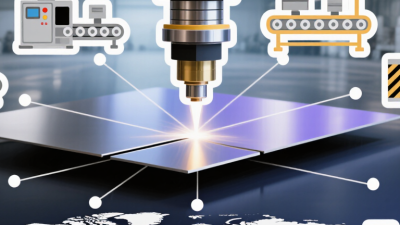
7 Best Waterjet Cutting Machines for Aluminum in 2026?
Choosing a waterjet for aluminum is not just a matter of comparing horsepower or advertised cutting speed. Alloy, sheet thickness, edge-quality requirements, and daily production volume all affect the right setup. This guide reviews seven machines worth considering in 2026, with attention to practical shop-floor needs.
For waterjet cutting aluminum, useful comparisons include pump output, cutting-head design, working-table size, motion accuracy, control software, and access to parts and technical support. A large table may suit full sheets, while a compact machine can make more sense in a limited workshop. Abrasive use and maintenance also shape the real cost of ownership. The details matter.
Specifications alone can be misleading. Published speeds may depend on material thickness, nozzle condition, pressure, and the finish a job requires. Buyers should confirm current configurations and service terms directly with manufacturers or authorized suppliers. Where exact performance varies, treat quoted figures as starting points—not guarantees. That caveat is easy to overlook.
The machines covered here are intended to help fabricators, job shops, and manufacturers narrow their options. Some may favor throughput; others may offer a better fit for occasional work or tighter budgets. No model is best for every shop, and a comparison cannot replace a production test using your own aluminum and tolerances. Even a short test can reveal trade-offs that a brochure misses. Use the recommendations as a shortlist, then verify the details before investing.
How Waterjet Cutting Works on Aluminum
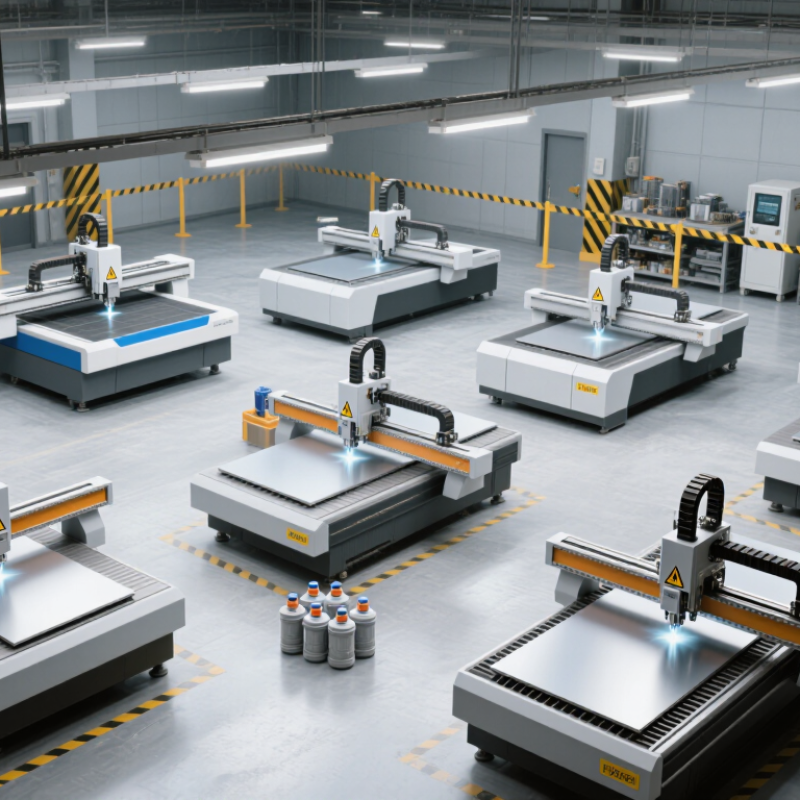
A waterjet cuts aluminum by forcing water through a tiny orifice at very high pressure. For most metal cutting, abrasive particles mix with the water inside a focusing tube. The narrow stream erodes a path through the sheet as a CNC system follows the programmed shape. There is no flame or conventional heat-affected zone, which can help preserve heat-sensitive assemblies.
Aluminum is relatively soft, but cutting quality still depends on thickness, abrasive flow, nozzle condition, and travel speed. Move too quickly, and the lower edge may become rough; slow down too much, and the cut can widen. Thicker plate may show slight taper. A first-pass setting can look fine on screen and still leave a rough underside. Test cuts reveal what the drawing cannot.
Tips: Secure the sheet flat and support the offcut so it cannot drop or shift. Check the nozzle and mixing tube for wear, then inspect both faces of a test piece. Adjust speed and abrasive flow in small steps; the right settings vary with alloy and thickness.
Key Criteria for Evaluating Waterjet Machines in 2026
When comparing waterjet cutting machines for aluminum in 2026, assess the whole cutting system, not pump pressure alone. Consider the pump’s duty cycle, cutting head, abrasive delivery, motion control, and table size. Aluminum’s softness can make clean cutting seem straightforward, but thin sheets may shift, and small features can distort under poor support. Edges tell the story. Inspect a sample cut for taper, burrs, and consistency through corners, not just straight lines.
A useful evaluation includes a test using your actual alloy, thickness, and part geometry. Ask how quickly operators can change orifice and mixing-tube components, and whether routine maintenance is clearly documented. Check that the software handles nesting, kerf compensation, and repeatable job settings without adding unnecessary steps. Also compare water use, abrasive consumption, noise, and the space needed for sludge handling; these costs are easy to overlook. Published tolerance figures are useful, but treat them as a starting point, not a promise. Material condition, setup, and operator choices can change the result. One machine may cut faster, yet deliver little value if its service needs interrupt production.
7 Best Waterjet Cutting Machines for Aluminum in 2026: Key Evaluation Criteria
How to use this chart: These suggested scorecard weights add up to 100% and help compare machines for aluminum work; they are not measured ratings of specific machines. Actual cutting results depend on factors including pump pressure, nozzle and mixing-tube condition, abrasive flow, aluminum alloy, material thickness, and the required edge quality.
Seven Waterjet Cutting Machines for Aluminum Compared
A useful comparison separates machine configurations, not marketing claims. A three-axis abrasive waterjet suits flat aluminum plates and straightforward profiles. A five-axis system handles bevels and angled edges, but needs careful calibration. Bridge-style tables support large sheets; cantilever designs leave more room for loading. Compact machines fit smaller shops, though their work envelopes limit sheet size. High-pressure systems can improve cutting speed, while multi-head machines process several parts at once. More heads also mean more setup and maintenance.
USGS Mineral Commodity Summaries 2025 estimates global primary aluminum production at about 72 million metric tons in 2024. That scale makes efficient sheet processing relevant, but it does not prove one machine configuration is best.
For thin stock, test pure-water cutting before assuming abrasive cutting is necessary. For thicker plate, compare edge taper, garnet use, pump pressure, and real cutting speed using the same alloy and thickness. Ask for a sample cut. Inspect its underside, not just the top edge. I would not rank machines by maximum pressure alone; that number can hide slow production or high consumable costs. Results depend on nozzle condition, material support, and operator settings. Real shop tests matter.
Choosing a Machine for Different Aluminum Cutting Needs
Choosing a waterjet machine for aluminum starts with the parts you actually make. Thin panels and decorative cutouts need fine motion control and a stable cutting head. Thick plate work calls for adequate pump capacity, a rigid bridge, and enough clearance for heavy sheets. Measure your usual material range, not just the thickest piece you have cut once.
For intricate parts, look for smooth axis movement, reliable height sensing, and software that handles nested shapes well. A narrow kerf can preserve detail, though abrasive settings and feed rate affect edge quality. Waterjets avoid a heat-affected zone, but they can still leave taper or roughness if parameters are poorly matched. Test cuts matter. A sample in your own alloy can reveal more than a specification sheet.
High-volume shops should weigh cutting speed against abrasive use, maintenance access, and downtime. A larger pump may help productivity, but it also brings higher operating demands. Smaller workshops may value a compact bed and simpler material handling more. There is no perfect setup. I would compare machines using the same aluminum grade, thickness, and cut path, then check edge finish and total cutting time. Even that test has limits; production schedules and operator skill can change the result.
Setup, Safety, and Maintenance for Aluminum Waterjet Cutting
A reliable aluminum waterjet cut starts with a stable setup. Check that the sheet lies flat on clean support slats and cannot shift under the jet. Choose the nozzle, abrasive flow, and cutting speed for the material thickness, following the machine’s operating guidance. A small test cut helps reveal taper, rough edges, or an undersized feature before the full sheet is used. Measure the kerf rather than assuming the programmed path matches the finished dimension. A tidy test coupon can still be misleading if the production sheet is warped.
Keep the cutting area guarded, and use the required eye, hearing, and foot protection. High-pressure water can cause severe injury. Never reach into the cutting zone while the system is pressurized; follow the machine’s shutdown and isolation procedure before adjustments. Keep hands clear. Aluminum edges can be sharp, and wet floors near the tank can become slippery. Those small hazards are easy to overlook when attention is fixed on the cut.
After operation, inspect the orifice and mixing tube for wear, and check abrasive lines for blockages or moisture. Replace worn parts according to the equipment instructions; a partly worn tube may quietly spoil accuracy. Clear accumulated debris safely and keep the tank and slats in serviceable condition. Maintenance takes time, admittedly, but skipping it often costs more in scrap and rework. Review cut quality regularly, because one good run does not prove the setup is still right.
| Configuration | Best suited for | Typical work envelope | Typical operating pressure | Aluminum cutting capability | Setup considerations | Safety essentials | Routine maintenance focus |
|---|---|---|---|---|---|---|---|
| 1. Compact 3-axis abrasive waterjet | Small workshops, prototypes, brackets, and flat aluminum parts | About 1,000 × 1,000 mm to 1,500 × 1,000 mm | Commonly 60,000–90,000 psi (about 413–620 MPa) | Thin sheet through moderate plate; practical thickness and speed depend on alloy, pump condition, abrasive flow, and edge-quality requirements. | Provide a level foundation, suitable electrical supply, water treatment as required, drainage, and a stable supply of garnet abrasive. | Keep the cutting area guarded; use eye and hearing protection when required; never put hands in the tank while the system is enabled. | Inspect the nozzle and mixing tube for wear; check abrasive feed, filters, seals, and water level according to the machine manual. |
| 2. Standard 3-axis production machine | General-purpose job shops cutting nests of aluminum components | About 2,000 × 1,000 mm to 3,000 × 1,500 mm | Commonly 60,000–90,000 psi (about 413–620 MPa) | Suitable for sheet and plate work; cutting speed generally decreases as thickness or edge-quality demands increase. | Confirm the usable cutting area, workholding plan, abrasive storage, and access for loading full-size sheets. | Use approved lifting methods for heavy plate; secure material against movement and follow lockout procedures before service. | Check slats and tank buildup; monitor pump oil, high-pressure connections, and cutting-head components per the service schedule. |
| 3. Large-format gantry waterjet | Large panels, long parts, and fabrication work with fewer repositioning steps | About 3,000 × 2,000 mm or larger; configurations vary | Commonly 60,000–90,000 psi (about 413–620 MPa) | Can process large aluminum sheets and plate; achievable thickness, tolerance, and throughput are application-specific. | Plan floor space, foundation capacity, sheet handling, gantry clearance, and waste-water management before installation. | Establish a clear exclusion zone around the moving gantry; use rated cranes or lifts and keep operators clear of suspended loads. | Inspect rails, drives, covers, and alignment; remove accumulated abrasive and check the tank and supports for wear. |
| 4. 5-axis or bevel-capable waterjet | Beveled edges, countersinks, angled cuts, and parts needing reduced taper | Often similar to a standard production bed; axis range depends on the head design | Commonly 60,000–90,000 psi (about 413–620 MPa) | Cuts aluminum with additional angled-head capability; verify the specified bevel angle and thickness for the exact setup. | Calibrate the cutting head and verify workpiece height, collision clearances, and toolpath compensation before production. | Use collision detection and approved setup procedures; isolate high-pressure equipment before adjusting the head or nozzle. | Check rotary-axis play, head alignment, seals, and calibration; inspect the orifice and mixing tube regularly. |
| 5. Dual-head production waterjet | High-volume nested parts when two heads can cut separate paths efficiently | Typically a production-size bed, with spacing and usable area determined by head layout | Commonly 60,000–90,000 psi; pump and head arrangement vary | Aluminum sheet and plate within the machine’s working envelope; output depends on part layout and whether both heads can operate productively. | Check head spacing, synchronized motion, abrasive delivery capacity, and collision-free nesting before running two heads. | Guard both cutting zones and verify that operators cannot reach either head during operation; follow site lockout rules. | Inspect both cutting heads and abrasive lines; track wear and service intervals separately for each head. |
| 6. High-pressure, fine-feature waterjet | Small features, detailed profiles, and applications prioritizing a narrow kerf | Commonly a compact or mid-size production bed | Some systems operate near 90,000–100,000 psi (about 620–690 MPa); confirm the rated system pressure | Can cut aluminum details with a narrow kerf; the result depends on nozzle size, abrasive settings, material thickness, and feed rate. | Use suitable CAD/CAM kerf compensation and verify the actual nozzle and abrasive setup with a test cut. | High-pressure components require trained service personnel; never search for leaks with a hand or loosen a pressurized fitting. | Follow the pump maker’s service intervals closely; monitor intensifier or direct-drive components, seals, filters, and nozzle wear. |
| 7. Waterjet with integrated abrasive recycling | Facilities seeking to reduce fresh abrasive handling and simplify waste management | Available in compact through large-bed formats | Typically 60,000–90,000 psi (about 413–620 MPa) | Uses abrasive waterjet cutting for aluminum; recycling equipment does not by itself determine cut quality or cutting capacity. | Allow space and service access for separation and recycling equipment; confirm abrasive compatibility and disposal requirements. | Control garnet dust during handling; use appropriate PPE and follow local rules for wet abrasive and wastewater disposal. | Clean separators and screens; monitor recycled abrasive quality, sludge accumulation, water condition, and feed consistency. |
Selection note: These are equipment configurations, not ranked product models. Specifications are representative industry ranges, not guarantees. Actual cutting performance, tolerances, pressure, and maintenance intervals vary by machine design, aluminum alloy and thickness, abrasive, nozzle condition, and operating conditions. Confirm requirements with the machine manufacturer and conduct a representative test cut.
Related Posts
-
7 Best Titanium Waterjet Cutting Services for Global Buyers
-
7 Tips for Choosing Waterjet Aluminum Suppliers
-
What Is the Best China Hydro Jet Cutting Machine?
-
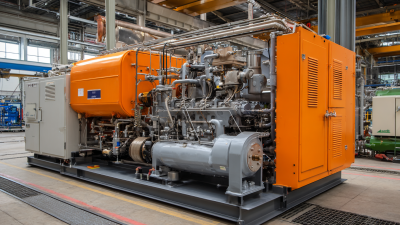
Understanding the Benefits of Water Jet Cutting Machines in Modern Manufacturing
-
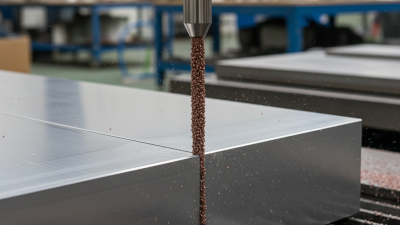
Top 10 Benefits of Using Waterjet Garnet for Precision Cutting in 2023
-
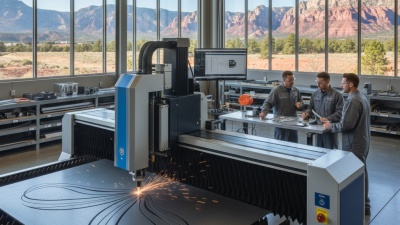
How to Choose Waterjet Cutting Services in Utah?