7 Tips for Choosing Waterjet Aluminum Suppliers

Choosing a waterjet aluminum supplier is not just a price comparison. It is a decision about material identity, cut quality, and whether parts arrive ready for the next operation. The U.S. Geological Survey’s Mineral Commodity Summaries 2025 estimated global primary aluminum production at 72 million metric tons in 2024. That scale shows how established the industry is, but it does not tell buyers whether a supplier can hold a tight profile or deliver traceable alloy. Big numbers rarely answer shop-floor questions.

The Aluminum Association’s Aluminum Statistical Review tracks industry shipments and market activity. Those figures provide useful context, not a quality score for an individual cutting shop. For that, ask for evidence: alloy and temper documentation, stated tolerances, inspection records, and realistic lead times. ASTM B209 is a relevant specification for aluminum sheet and plate; confirming the exact grade still matters. A thin 6061 plate and a thicker 5052 sheet do not behave identically under cutting and handling.

Look closely at the details. Are edges clean enough for your finish? Will small parts be protected from scratches in transit? A supplier’s sample may look perfect, while a rushed production batch tells another story. That happens. The seven tips below focus on practical checks, from equipment and expertise to communication and quality controls. No single certificate guarantees a good fit, so compare documented capability with the demands of your actual drawing.
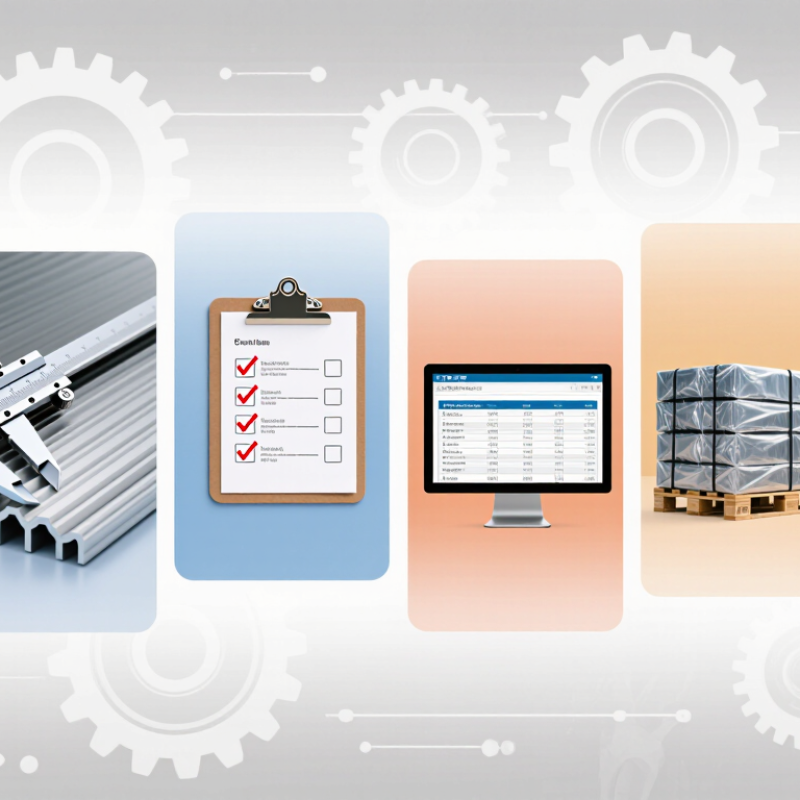
7 Tips for Choosing Waterjet Aluminum Suppliers

Understanding Waterjet Cutting Requirements for Aluminum

Choosing a waterjet supplier starts with the actual aluminum grade, temper, thickness, and drawing—not just the machine’s advertised capacity. NIST reference data put pure aluminum’s thermal conductivity near 237 W/m·K at room temperature; alloys vary. Waterjet cutting limits heat-related distortion, but it does not remove every risk. Thin sheet can lift, and small holes may taper or distort during piercing. Small details matter. Ask how the supplier supports the sheet and handles lead-ins, tight radii, and closely spaced parts.

Specify the required edge condition and dimensional tolerance before requesting a quote. ASTM B209/B209M covers aluminum sheet and plate, but stock-material tolerances are not the same as finished-part cutting tolerances. Request a sample coupon using the same alloy and thickness, then inspect its edge, hole size, and flatness. A smooth edge may cost more in cutting time; an aggressive speed can leave visible striations. There is no universally perfect setting. Share the drawing revision, quantity, and any critical dimensions, and ask the supplier to state achievable tolerances in writing. A useful supplier explains trade-offs plainly, including where a test cut may change the plan.

Matching Supplier Capabilities to Your Project Specifications

A waterjet supplier should match your part requirements, not just quote a cutting price. Check the machine’s usable bed size against your largest sheet and ask what aluminum thickness it can cut consistently. A 6 mm panel and a 25 mm plate may need different settings and lead times. Small details matter.

Share the drawing, alloy, temper, quantity, and required tolerance before comparing quotes. Ask how the supplier checks dimensions, manages edge taper, and handles small holes or narrow slots.

Waterjet cutting avoids a heat-affected zone, but cut quality can still vary with material thickness, abrasive flow, and operator setup.

Ask for proof. A sample cut or inspection report can reveal more than a general capability list.

Consider how parts will be delivered, too. Confirm whether protective film, deburring, labeling, or organized packing is included. For repeat orders, ask how revisions are recorded and whether the same setup can be used again.

A low quote may exclude useful finishing steps. Specifications can also change after the first review, so leave room to clarify details.

I may be overlooking a constraint in your design; a capable supplier should flag questions early rather than guess.

Assessing Equipment, Expertise, and Quality Controls

A capable waterjet aluminum supplier should explain how its equipment suits your part, not just list machine specifications. Ask about cutting-bed size, nozzle condition, abrasive flow, and the thickness range they handle regularly. Look for recent sample cuts in aluminum similar to yours. Check the edges for taper, rough striations, and excess burrs. Ask to see the part. A worn nozzle or rushed setup can leave uneven edges, even when the machine looks impressive. The operator should describe how speed and stand-off distance change with material thickness. Clear answers suggest practical experience. Vague promises do not. Still, one sample cannot predict every production run.

Quality controls should be visible in everyday records. Request an example inspection report, with dimensions, tolerances, and the measuring tools identified. For repeat orders, ask how the supplier tracks material grade and thickness between batches. A labeled offcut or retained sample can help resolve questions later. Reliable shops check the first parts before continuing, then record any adjustments. Ask how they handle a dimension that falls outside the agreed range. Even a careful shop can miss a detail; the response matters. A clean brochure is not proof. Some small suppliers may keep simpler records, so clarify what evidence you need before placing an order. Look for specific answers, not perfect-sounding ones.

7 Tips for Choosing Waterjet Aluminum Suppliers - Assessing Equipment, Expertise, and Quality Controls
Tip What to Assess Questions to Ask Evidence to Request Why It Matters
1. Verify machine capability Cutting-table capacity, usable work envelope, pump condition, and the thickness range the shop routinely processes. Can your equipment accommodate the specified sheet size, alloy, thickness, and production quantity? Current equipment specifications and examples of comparable aluminum work. Capacity and process stability affect whether parts can be cut efficiently and consistently.
2. Check cutting-head and abrasive controls Condition and maintenance of the orifice and mixing tube, abrasive-feed consistency, and control of cutting parameters. How do you monitor consumable wear and keep abrasive flow and cut quality consistent? Preventive-maintenance records and the shop’s process for checking cut quality. Worn or inconsistent components can contribute to taper, rough edges, and variation between parts.
3. Evaluate aluminum-specific experience Experience with the requested aluminum alloy, temper, thickness, edge requirements, and any downstream machining or finishing. Have you produced parts with similar material, geometry, tolerances, and edge-finish requirements? Redacted sample inspection records or representative part samples, where available. Material condition and part geometry can affect cutting strategy, handling, and final acceptance.
4. Confirm drawing and programming capability Ability to work from the required CAD or drawing formats, interpret tolerances, and identify missing or conflicting specifications before cutting. How do you review drawings, manage revisions, and confirm critical dimensions before production? A documented drawing-review and revision-control process. Clear revision control helps prevent parts being made to outdated or ambiguous requirements.
5. Review measurement and inspection controls Inspection methods suited to the specified dimensions, use of calibrated measuring equipment, and recording of results for critical features. Which dimensions are inspected, how are results recorded, and how is measuring equipment kept in calibration? A sample inspection report and calibration-control procedure. A defined inspection process provides objective evidence that parts meet drawing requirements.
6. Ask about material traceability and handling Material identification, certificate availability when specified, protection from scratches or contamination, and separation of jobs or alloys. Can you maintain material identification from receipt through cutting and shipment, and provide required material records? A sample traceability record and description of storage and handling practices. Traceability and careful handling help confirm material identity and protect finished surfaces.
7. Assess communication and corrective action Quote clarity, delivery updates, nonconformance notification, and a documented process for investigating and addressing quality issues. Who handles technical questions, and how are deviations, rework, or corrective actions communicated? A sample nonconformance workflow and written confirmation of scope, lead time, and inspection requirements. Responsive communication helps resolve issues early and keeps expectations aligned throughout the order.

Comparing Pricing, Lead Times, and Delivery Options

When comparing waterjet aluminum suppliers, separate material, cutting, setup, and freight charges. A low unit price may exclude protective packaging or urgent-order fees. The U.S. Geological Survey reported an average U.S. aluminum price of $1.55 per pound in 2023, down from $1.81 in 2022. That movement shows why quotes need dated material assumptions. Ask whether the price covers the specified alloy, thickness, tolerances, and quantity. Compare identical drawings and order sizes, not headline rates.

Lead times should start from a clear milestone, such as approved drawings or confirmed payment, and end at dispatch or delivery. Ask for both dates. The International Society of Automation? Actually the Institute for Supply Management’s reports track supplier delivery conditions, but national trends cannot predict one shop’s schedule. Request a realistic production window, current backlog, and notice procedures for delays. A fast promise means little without a defined start point. One detail is easy to miss.

Delivery options affect cost and part condition. Compare parcel service for small pieces with palletized freight for heavier sheets or large batches. Ask about edge protection, moisture barriers, liftgate service, tracking, and delivery appointments. The World Bank’s Logistics Performance Index 2023 evaluates factors including shipment timeliness and tracking, useful reminders when assessing transport quality. Still, a national index cannot verify a supplier’s own performance. Request recent on-time delivery figures, and check how the supplier handles split shipments. A perfect quote rarely exists; a transparent one is more useful.

Verifying Certifications, Communication, and After-Sales Support

Tip 1: Verify quality documents, not just a certificate logo.

Ask for a current ISO 9001 certificate and confirm its scope covers relevant manufacturing activities. The ISO Survey 2022 recorded 1,265,216 valid ISO 9001 certificates worldwide, so certification alone cannot distinguish a capable waterjet supplier. Request aluminum mill certificates, alloy and temper details, and traceability from stock to finished parts. Check that the supplier can explain how it controls cut quality and inspection records.

Tip 2: Test communication with a real drawing.

Send a part file and ask the supplier to confirm material grade, thickness, tolerance, edge condition, and any unclear dimensions. A useful reply identifies risks, such as taper on thick plate or burrs near a tight-fit feature. Note response time and whether answers stay consistent between sales and engineering. A polished reply is not proof of good production support.

Tip 3: Agree on after-sales steps before placing an order.

Ask who handles nonconforming parts, what evidence they need, and how replacement or rework decisions are documented. For example, clarify whether you should send photos, measurements, or a returned sample. Request a first-article inspection report for critical parts. Then review a sample together. Small misses happen; a vague remedy is the bigger warning.