What Are the Top Lift Dock Types in 2026?
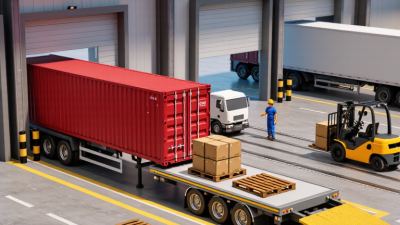
A lift dock helps bridge the height difference between a loading bay and a truck, but the right design depends on the work happening there. In 2026, buyers may compare pit-style dock levelers, edge-of-dock models, vertical levelers, and dedicated dock lifts. Each handles a different mix of vehicle heights, load weights, traffic, and available space. Small gaps matter. So do daily routines.
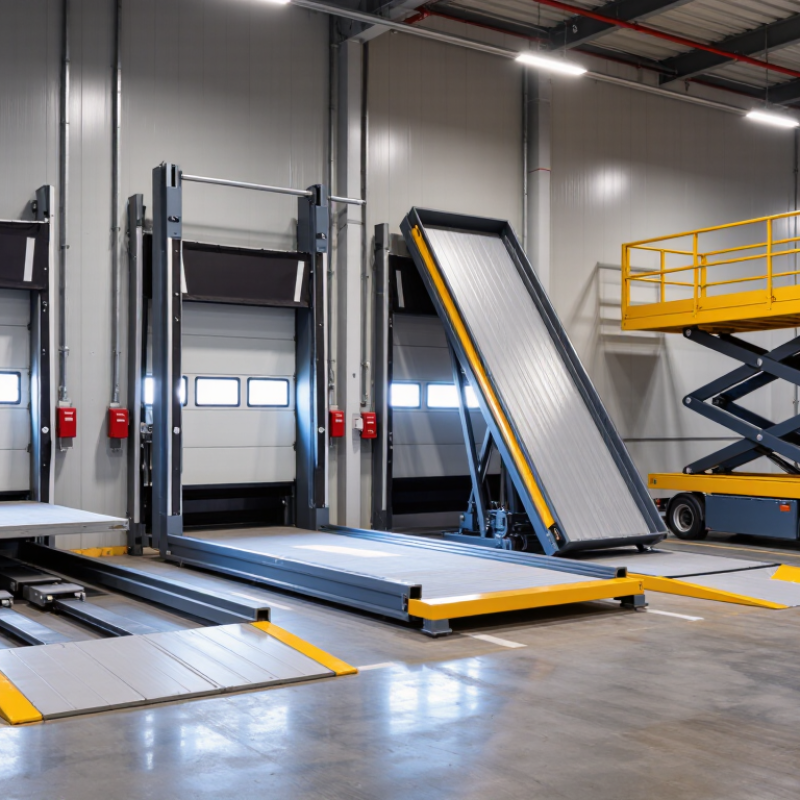
This guide looks at the leading lift dock types and explains where each can make practical sense. A pit-style leveler sits within a recessed floor and can suit busy bays with varied trailers. An edge-of-dock unit takes less space and may fit lighter-duty operations. Vertical models keep equipment upright when stored, while dock lifts serve sites that need to move goods between distinct elevations. These are useful distinctions, not a universal ranking. The best option still depends on measured dock heights, equipment dimensions, expected cycles, and site conditions. A neat comparison can miss a building’s quirks.
Reliable selection starts with verified specifications and advice from qualified loading-dock professionals. Check rated capacity, platform size, operating method, maintenance access, and compatibility with the vehicles using the bay. Ask how installation could affect workflow. Then compare the total ownership picture, not just the purchase price. A higher-capacity model is not automatically better. Nor is the cheapest choice always economical. In real facilities, small layout details can change the answer, and some trade-offs deserve a second look.
What Is a Dock Lift and How Does It Work?
A dock lift is a powered platform that moves goods between a loading dock, a vehicle, and a lower floor. Unlike a dock leveler, it raises or lowers the load rather than simply bridging a height gap. Most systems use hydraulic or mechanical power, with controls that let an operator position the platform at the required level. Some travel only a short distance; others serve multiple elevations. The exact design depends on the building, vehicle heights, and the loads being handled.
In operation, a pallet jack or forklift brings freight onto the platform. The operator checks that the load is stable, clears the travel area, and activates the lift. Safety features may include gates, guards, and interlocks that prevent movement in unsafe conditions. Small movements matter. A level platform makes transfers smoother, while a poor fit can leave awkward gaps or slow work. Capacity, platform size, travel distance, and operating frequency should all be checked before selection. A larger lift may seem reassuring, but it can take up valuable dock space. Site measurements are easy to underestimate, and that is worth reviewing with a qualified installer. Dock lifts are useful, but they are not a substitute for a clear traffic plan or routine inspections.
What Are the Top Lift Dock Types in 2026?
A dock lift is a powered platform that raises or lowers loads between different levels. In a common hydraulic scissor design, hydraulic cylinders extend the scissor arms to raise the platform and retract to lower it. Pit-mounted, surface-mounted, and portable describe installation styles; the right choice depends on the site, load, and required travel.
Indicative capacity ranges: These examples are not universal ratings. Actual capacity depends on the specific model and configuration; always check the equipment’s rated capacity.
Which Main Types of Dock Lifts Are Available in 2026?
Dock lifts vary by how they meet the loading area. Pit-mounted hydraulic lifts sit level with the floor when lowered, allowing pallet trucks to roll across a smooth transition. They suit busy facilities with a fixed loading position, but installation requires a prepared pit and careful drainage planning. Surface-mounted scissor lifts need no pit. Their raised platform can bridge a height difference, though the ramp may take up floor space.
Edge-of-dock lifts attach beside a loading dock and serve trucks within a limited height range. They are compact and often quicker to install than larger platforms. Portable dock lifts can be moved between work areas; their flexibility is useful, but repositioning takes time. Some facilities use vertical reciprocating lifts to move goods between floor levels. These are not a direct fit for every dock layout. Check the load rating, platform size, travel height, and whether workers or only materials will use the lift. A pallet may fit, yet leave too little room for safe turning. That detail is easy to miss. Consider how often trucks arrive, too, since the cheapest-looking option may slow daily handling.
How Do Vertical, Cantilever, and Hydraulic Dock Lifts Differ?
Vertical, cantilever, and hydraulic are not perfectly parallel categories. “Hydraulic” describes the power system; the other two describe how the platform moves. That distinction matters.
A vertical lift travels straight up and down, useful where space is tight and truck-bed heights vary. A cantilever lift moves on pivoting arms, following an arc that may bring its platform outward from the pit. Check the equipment drawings: movement and platform angle can vary by design.
Hydraulic power provides controlled lifting through cylinders, but it can operate either lift style. It is not a separate platform geometry. For a busy dock, compare travel range, rated capacity, pit dimensions, and how the controls work with gloves on. Capacity must account for the load and the pallet jack or cart. A common planning mistake is choosing by lift height alone. The approach path matters too.
The U.S. Bureau of Labor Statistics reported 4.4 recordable injury and illness cases per 100 full-time workers in transportation and warehousing in 2023, compared with 2.4 across private industry. Those figures cover entire industries, not dock lifts specifically, but they underline why safe access deserves attention.
Ask whether guards, toe protection, and clear operating procedures suit the actual loading routine. A specification sheet can look tidy; a crowded dock rarely is.
What Factors Determine the Right Dock Lift for a Boat?
What Are the Top Lift Dock Types in 2026?
Vertical lifts suit many fixed docks and provide clear, direct storage. Cantilever lifts can work in shallower water, while hydraulic systems offer convenient operation but need suitable power and maintenance. Floating lifts adapt to changing water levels. The right choice depends on more than lift style. Check the boat’s loaded weight, including fuel, batteries, equipment, and the outboard. Then confirm its beam, hull shape, and support points against the lift’s capacity and cradle design. A dry-weight figure alone can mislead.
What Factors Determine the Right Dock Lift for a Boat?
Water depth, tide range, waves, and dock strength matter just as much. Measure depth at the lowest expected water level, not only on a calm afternoon. NOAA’s 2022 Sea Level Rise Technical Report projects 10–12 inches of average rise along U.S. coastlines by 2050, relative to 2000. That makes lift travel and future clearance worth checking, especially in tidal locations. Local conditions vary, though; a national projection cannot replace site measurements.
What New Features Are Shaping Dock Lifts in 2026?
What Are the Top Lift Dock Types in 2026?
What New Features Are Shaping Dock Lifts in 2026?
Dock lifts are gaining smarter controls, clearer diagnostics, and more adaptable safety features. Position sensors can help prevent a platform from moving when a gate is open. Some systems also flag hydraulic leaks or unusual motor temperatures before a breakdown stops loading. These features matter most at busy docks, where a pallet jack, a wet floor, and a tight schedule can quickly create risk.
The shift reflects wider investment in supply-chain technology. MHI’s 2024 Annual Industry Report found that 88% of respondents expected to increase technology and innovation investment over the following five years. That figure covers the supply chain broadly, not dock lifts alone. Still, it helps explain growing interest in connected equipment and maintenance data. Energy-efficient drives and modular platforms are also gaining attention, though their value depends on actual duty cycles and site conditions. More technology is not always better.
Tips: Ask suppliers for fault logs, safety test procedures, and a clear manual override process. Check platform capacity against the heaviest real load, not an average shipment. A feature list looks impressive. A lift that fits the dock, operators, and maintenance routine is more useful.
What Are the Top Lift Dock Types in 2026? — What New Features Are Shaping Dock Lifts in 2026?
A practical comparison of common dock-elevation equipment, its operating principles, best-fit applications, and relevant feature trends.
| Dock Type | How It Works | Best-Fit Applications | Main Advantages | Key Considerations | Features and Trends to Watch in 2026 |
|---|---|---|---|---|---|
| Hydraulic pit-style dock leveler | A platform installed in a dock pit raises hydraulically; its hinged lip extends onto the vehicle bed to bridge the height gap. | Busy loading docks with frequent truck changes and a broad range of vehicle-bed heights. | Powered operation reduces manual effort; the leveler can accommodate changing vehicle positions within its operating range. | Requires a suitable pit, hydraulic components, and routine inspection. Capacity and operating range must be selected for the actual loads and site conditions. | More attention to monitored operating status, clear fault indication, safety interlocks, and service access. These options depend on the equipment configuration. |
| Mechanical pit-style dock leveler | A spring-assisted mechanism raises the platform, which is typically positioned and returned using a pull chain or comparable manual control. | Facilities seeking a pit-mounted leveler for moderate activity without powered hydraulic operation. | No hydraulic power unit is needed; its mechanical operating system can be straightforward to maintain when inspected regularly. | Operation requires manual effort, and moving parts such as springs and linkages need periodic inspection and adjustment. | Design priorities include guarded moving parts, easier inspection, durable components, and compatibility with established dock safety procedures. |
| Vertical-storing dock leveler | A powered leveler stores upright in a dedicated vertical position rather than resting horizontally in the dock pit. | Food, pharmaceutical, or other operations where a cleanable dock face and access to the pit area are important. | When stored, it can leave the dock opening and pit more accessible for cleaning and inspection; the closed position can also support a tighter door-and-dock interface. | Needs suitable building clearance and coordination with the dock door, vehicle restraints, and pit layout. | Interest is growing in interlocked sequences that coordinate the leveler, dock door, and vehicle restraint, as well as status indicators that make operating conditions easier to verify. |
| Edge-of-dock leveler | A compact unit attaches to the dock face and provides a short hinged ramp or lip to bridge a limited height difference. | Smaller docks, limited installation budgets, or locations where installing a full pit is impractical. | Typically avoids the excavation and pit construction required by a pit-style leveler; its compact design can suit simpler dock layouts. | Has a more limited operating range than many pit-style levelers and may not suit every vehicle or material-handling setup. | Selection increasingly emphasizes correct vehicle-height matching, visible operating instructions, and durable finishes suited to the dock environment. |
| Vertical dock lift | A powered platform moves vertically between two elevations, such as a yard or lower floor and a raised loading-dock level. | Sites without a standard raised dock, facilities with elevation changes, or applications needing movement between floors. | Provides vertical travel where a hinged leveler alone cannot bridge the elevation difference; platform size and configuration can be planned around the load. | Requires appropriate structural support, guarding, access control, and a site-specific assessment of travel, load, and installation conditions. | Relevant trends include clearer controls, monitored safety devices, accessible service points, and energy-conscious hydraulic-system options where specified. |
| Portable dock lift | A movable lift platform is positioned where needed to raise or lower goods between a vehicle, floor, or work area. | Facilities with changing work locations, temporary loading needs, or no permanent dock position. | Can provide elevation access without a permanently installed dock lift; mobility may support flexible workflows. | Floor condition, stability, travel path, load handling, and safe positioning must be assessed before use. | Design considerations include intuitive controls, status visibility, battery or power-management options where applicable, and safer maneuvering features. |
Selection note: “Dock leveler” and “dock lift” are different equipment categories: a leveler bridges the gap between a dock and a vehicle, while a lift moves a platform between elevations. Rated capacity, platform dimensions, travel, and operating limits vary by model and installation; confirm them with a site-specific assessment and the equipment documentation.
Related Posts
-
How to Choose the Right Lift Dock for Global Shipping?
-
How to Choose the Right Lift Dock for Your Business Needs?
-
2026 Best Dock Hoist Buying Guide for Global Buyers
-
Unlocking Efficiency: How Dock Hoists Revolutionize Maritime Operations and Improve Safety
-
Why Choosing the Right Dock Hoist is Essential for Your Marine Operations
-

Top Dock Hoist Solutions for Global Buyers in 2026?