How to Choose the Right Lift Dock for Your Business Needs?
Selecting the right lift dock for your business requirements is crucial for efficiency and safety. According to industry reports, over 30% of logistics companies face challenges with dock efficiency. Inefficient lift docks can lead to increased loading times and worker fatigue. This can ultimately impact your bottom line.
Various factors must be considered when choosing a lift dock. These include weight capacity, dock levelers, and safety features. A report by the Material Handling Industry suggests that proper equipment can reduce loading time by up to 25%. However, many businesses overlook specific site conditions that could affect performance. This oversight can lead to costly mistakes and operational delays.
Understanding the unique needs of your operation is essential. A standard lift dock may not suffice for all businesses. Companies must evaluate their inventory flow and product types. Investing time in this assessment can prevent future headaches. Choosing the right lift dock is not just a budget decision; it’s a strategic move that can enhance overall productivity and safety.
Understanding Different Types of Lift Docks Available in the Market
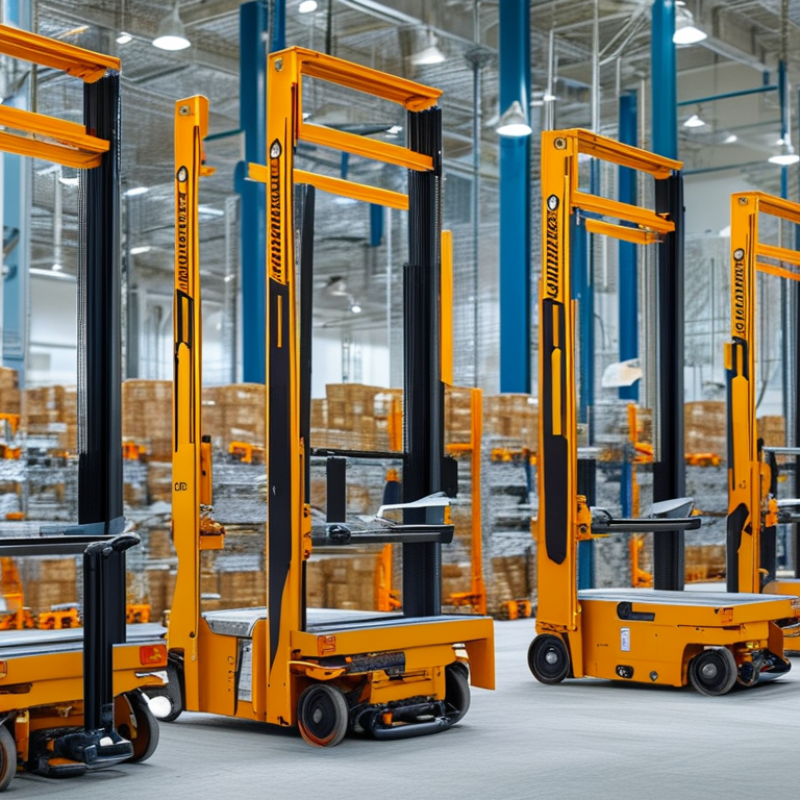
Selecting the right lift dock requires an understanding of the available types. Various models serve specific needs, each with distinct functionalities. For example, hydraulic lift docks provide efficiency in heavy load scenarios. Data indicates they can handle weights exceeding 30,000 pounds, ideal for industries like manufacturing and warehousing.
Another variant is the mechanical lift dock, which offers durability and reliability. These docks are particularly effective for environments requiring frequent use and load transitions. Reports show that they can last over 15 years with proper maintenance. Their simplicity also reduces the likelihood of mechanical failure, although they may lack the quick adjustments seen in hydraulic models.
Space limitations may also guide the choice of lift dock. Compact models are designed for areas with restricted access, yet smaller sizes can limit weight capacity. Decision-makers should consider both operational functionality and physical space when planning an acquisition. The varying designs represent trade-offs between capacity, efficiency, and longevity, emphasizing the need for careful evaluation based on the specific business context.
Assessing Your Business Requirements for a Lift Dock Installation
Choosing the right lift dock for your business involves a careful assessment of your specific requirements. Consider the size and weight of goods you'll be handling. According to the Material Handling Industry of America, 70% of distribution failures are linked to inadequate dock equipment assessment. This figure underscores the importance of understanding your business needs.
Evaluate the flow of logistics in your operations. High-traffic areas may require more robust and versatile lift docks. Proper calculations can prevent costly downtimes. For instance, if you frequently load and unload heavy freight, an electric lift dock could be beneficial.
Reflect on the available space during installation. Insufficient space can hinder smooth operations. Analyze the dock’s height and width compared to your loading vehicles. It's essential to accommodate various transportation methods. Failing to do so might lead to inefficiencies.
Consider future growth. Will your business scale, or will product lines expand? Selecting a modular system can adapt to changes, enhancing long-term functionality. Always prioritize reliability and safety features to minimize accidents and improve staff confidence.
Evaluating Load Capacity and Safety Features of Lift Docks
When selecting a lift dock for your business, evaluating the load capacity and safety features is crucial. The load capacity directly impacts the equipment you can handle. Underestimating this can lead to equipment failure or accidents. It’s essential to assess your typical cargo weight. This information helps in choosing a dock that can safely accommodate daily operations.
Safety features are equally vital. Look for docks equipped with guardrails, non-slip surfaces, and automatic shut-off systems. These elements dramatically reduce the risk of injury. An overlooked safety aspect might be the dock's height adjustment capability. If a dock can't adapt to varying truck heights, you may face additional hazards.
Remember, effective training and maintenance play a significant role in safety. Regular inspections of safety features ensure they function correctly. Relying solely on the dock’s design is not enough. Employees must understand how to use equipment safely. Regular training updates can prevent lapses in safety practices.
Considering the Integration of Lift Docks with Existing Systems
Integrating lift docks into existing systems can be a complex process. It's essential to evaluate how these docks will communicate and function with your current operations. Compatibility checks should be a priority. Assessing the dimensions and weight capacities of lift docks is crucial. A mismatch could lead to operational inefficiencies.
Consider the layout of your facility. An ideal dock should enhance workflow, not hinder it. Evaluate the proximity to loading areas and the flow of personnel and equipment. Look for any potential bottlenecks that could arise with new installations. Engaging with a professional experienced in facility logistics can provide insights into these considerations. They can help identify issues you might overlook, ensuring a seamless integration.
Reflecting on past installations can provide valuable lessons. What worked well? What challenges did you face? Learning from these experiences can guide future decisions. Ultimately, ensuring that the lift dock complements your existing systems requires careful planning, strategy, and a willingness to adapt. Embracing this reflective approach can lead to better results in your operations.
Budgeting for Purchase, Installation, and Maintenance Costs of Lift Docks
Budgeting for lift docks involves several key aspects that require careful thought. Understanding the initial cost is crucial. This includes the price of the lift dock itself, installation fees, and any necessary modifications to your facility. It's essential to get multiple estimates. Websites and reviews can only provide so much information. Speaking with industry experts can provide deeper insights.
Maintenance is another critical factor in your budget. Lift docks require routine inspections and occasional repairs. Setting aside a percentage of the initial cost for annual maintenance can save you from unexpected expenses. Regular upkeep ensures safety and efficiency, which impacts your bottom line. You might find that neglecting maintenance leads to higher costs in the long run.
Consider the long-term implications of your investment. Choosing a cheaper dock may seem appealing initially, but it may lead to frequent repairs and downtime. Evaluate your specific needs and usage patterns. A more expensive, high-quality lift dock can prove more cost-effective over time. Balancing budget constraints with quality and reliability is a challenging yet necessary task.