What Are the Top 10 Types of Waterjet Garnet?
Choosing the right waterjet garnet begins with more than color, price, or supplier claims. The abrasive must match the material, cutting head, pump pressure, and recycling plan. A 2025 U.S. Geological Survey Mineral Commodity Summaries report identifies garnet as an important industrial abrasive and recognizes waterjet cutting as a key application. Its data also show why supply quality matters: garnet production and trade involve several global sources, with different mineral compositions and processing standards.
Industry reports add useful context. Grand View Research continues to identify waterjet cutting as a growing precision-manufacturing market, especially for aerospace, automotive, stone, and metal fabrication. Those sectors demand predictable cutting speed and clean kerfs. In practice, an 80-mesh abrasive can produce a different result from a finer grade, even when both bags appear similar. Grain hardness, shape, dust level, and moisture can change nozzle wear within a single shift.
Dr. John Folkes, a recognized abrasive-waterjet researcher, has emphasized, “Abrasive selection is a cutting decision, not merely a purchasing decision.” That principle guides this overview of the top 10 types of waterjet garnet. The list will compare alluvial, hard-rock, almandine, and blended grades, while examining mesh size, hardness, purity, and recyclability. Some categories overlap. That is the imperfect part. Supplier labels are not always standardized, and laboratory results may not reflect a busy workshop. Therefore, buyers should test cutting performance on their actual material before changing grades. Watch the kerf. Check the nozzle. Measure the finished edge.
Waterjet Garnet: Definition, Composition, and Cutting Function
What Are the Top 10 Types of Waterjet Garnet?
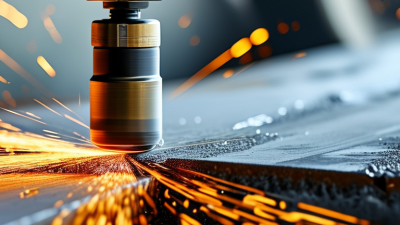
Waterjet garnet is a hard, granular abrasive used to cut metal, stone, glass, and composites.
Its grains mix with high-pressure water inside a cutting head. The water carries abrasive particles through a narrow orifice.
Each particle strikes the workpiece and removes tiny fragments.
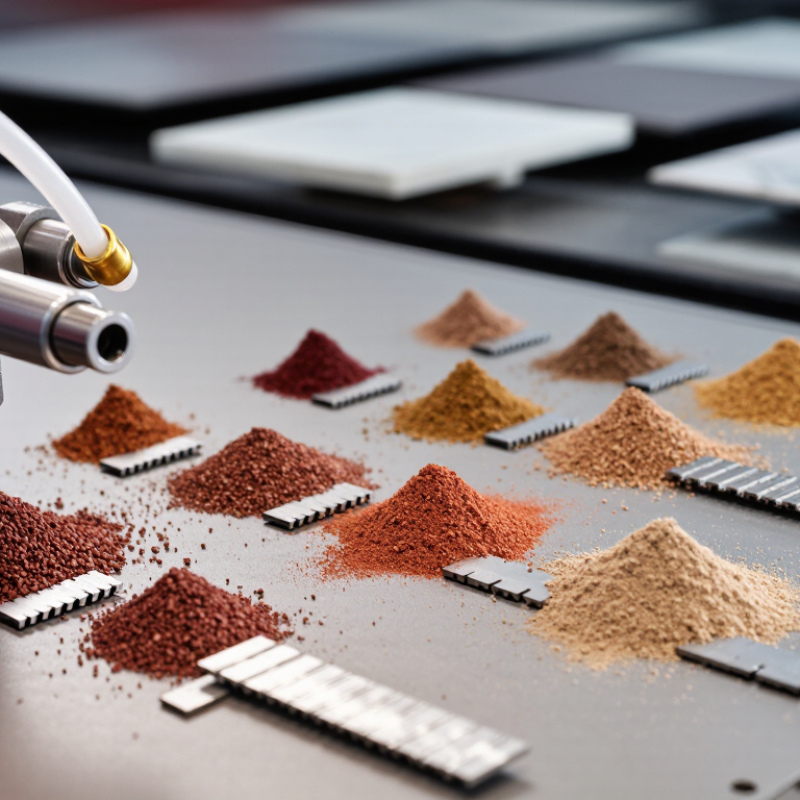
The ten commonly discussed types include almandine, pyrope, spessartine, grossular, and andradite garnet. Other classifications include beach garnet, river garnet, rock garnet, crushed garnet, and recycled garnet.
These categories overlap. A mineral species describes composition, while a source describes origin and processing. That distinction matters.
Almandine is widely valued because its iron-aluminum structure offers useful hardness and fracture behavior. Recycled garnet can reduce waste, but its performance depends on cleaning and particle-size control.
Effective cutting requires more than hardness.
Grain shape affects cutting speed, edge quality, and abrasive consumption. Angular particles usually cut aggressively. Rounded grains may produce steadier flow but slower material removal.
Screened sizes create predictable kerf widths and surface finishes. Moisture, clay, and excessive fines can disrupt feeding.
Operators should inspect garnet before use. A simple ranking can mislead. I would not treat every category as equal.
Actual results depend on pump pressure, nozzle design, workpiece thickness, and abrasive flow.
Even experienced users sometimes overlook moisture.
That small error can cause uneven cutting.
How Waterjet Garnet Is Classified by Origin and Mineral Content
Waterjet garnet is classified by both origin and mineral content, not by color alone. The ten common commercial types include alluvial almandine, beach almandine, hard-rock almandine, river alluvial garnet, crushed almandine, and garnet blends. The mineral-focused group includes almandine-rich, andradite-rich, grossular-rich, and pyrope-bearing garnet. Almandine remains the practical benchmark because its hardness, density, and fracture behavior suit high-pressure cutting. A typical grain leaves a sharp edge, like broken glass under a magnifier.
Origin changes performance. Alluvial grains are naturally rounded and usually contain fewer crushing defects. Hard-rock material is crushed, screened, and often sharper, but it may generate more fines. Beach deposits can show consistent grain size, although salt, shells, or heavy-mineral impurities require careful processing. USGS Mineral Commodity Summaries 2025 describes garnet as an industrial abrasive mineral and notes that production statistics remain incomplete across countries. That limitation matters.
Mineral content also affects cutting stability. Almandine-rich material generally offers a useful balance of toughness and breakdown. Andradite-rich grains can be harder, while grossular-rich material may behave differently during repeated impacts. Pyrope-bearing blends are less common in waterjet supply. The ASTM waterjet abrasive testing approach commonly examines particle size, moisture, and cutting performance, not mineral names alone. Field experience shows that two “30/40 mesh” products can cut differently. This is where specifications sometimes oversimplify reality. Test cuts, sieve analysis, and cleanliness checks should accompany origin claims.
The Top 10 Types of Waterjet Garnet Explained
Waterjet garnet differs by mineral family, geological origin, and grain preparation. Almandine garnet is widely used because it balances hardness, durability, and cutting performance. Andradite garnet offers strong abrasive action, while pyrope garnet is known for its dense structure. Spessartine garnet can provide sharp particles, although availability may vary. Alluvial garnet comes from natural deposits and usually has smoother grains. Hard-rock garnet is crushed from solid formations and often produces sharper edges. Crushed garnet can cut aggressively, but its dust level may require closer control. Coarse-mesh garnet suits thick steel and concrete. Fine-mesh garnet supports detailed cutting and thinner materials. Washed garnet contains fewer impurities, while recycled garnet can reduce waste when properly screened.
Tips: Match garnet size with material thickness, cutting speed, and nozzle design. Inspect the abrasive regularly. Mixed or damp particles may reduce cutting consistency. A sieve check can reveal oversized grains before they cause feeding problems. Keep records of pressure, feed rate, and edge quality. Small changes matter.
In practical cutting tests, harder garnet does not always produce the best result. A sharp grain may cut quickly but fracture sooner. A rounder grain may feed smoothly and remain stable longer. This trade-off deserves attention. Operators should also question catalog claims and verify performance with their own material samples. The best choice depends on production goals, equipment condition, and acceptable edge roughness. Cost alone can be misleading.
Comparing Garnet Types by Hardness, Purity, and Cutting Performance
What Are the Top 10 Types of Waterjet Garnet?
Waterjet garnet is judged by hardness, purity, grain shape, and cutting consistency. The ten commonly discussed types include alluvial almandine, hard-rock almandine, mixed alluvial garnet, recycled garnet, and blended garnet. Mineral varieties include andradite, grossular, pyrope, spessartine, and uvarovite. However, not every variety suits industrial cutting.
Hard-rock almandine usually offers strong impact resistance and stable cutting performance. Alluvial almandine has smoother grains and can produce less dust during feeding. Recycled garnet lowers waste, but its hardness and purity may vary between batches. Andradite can perform well, while softer varieties may cut more slowly. Grossular, pyrope, spessartine, and uvarovite are less common in standard waterjet use. Their availability and processing quality matter greatly.
Purity affects nozzle wear, cutting speed, and edge finish. High-purity garnet usually contains fewer unwanted minerals and creates more predictable results. A practical comparison should check hardness near 7.5 to 8 on the Mohs scale, moisture, grain size, and dust content. Coarse grains often remove material faster. Fine grains may improve detail on thinner materials. Not always. Pump pressure, nozzle condition, material thickness, and abrasive flow can change the outcome. The ranking is not absolute. A cheaper abrasive may perform better when its sizing is cleaner and more consistent. Small testing runs remain essential before changing a production process.
| Rank | Garnet Type | Mineral Group or Composition | Mohs Hardness | Typical Density (g/cm³) |
Indicative Commercial Garnet Purity | Cutting Performance | Waterjet Suitability | Key Characteristics |
|---|---|---|---|---|---|---|---|---|
| 1 | Hard-Rock Almandine | Iron-aluminum garnet; commonly Fe3Al2(SiO4)3 | 7.0–7.5 | 3.90–4.20 | Approximately 95–99% garnet in a carefully processed abrasive feed | Excellent | Excellent | Angular fractured grains provide strong impact energy, consistent cutting, and good edge quality. |
| 2 | Alluvial Almandine | Water-worn almandine grains naturally concentrated in sediment | 7.0–7.5 | 3.90–4.20 | Approximately 90–98%, depending on separation and washing | Very Good | Very Good | Cleaner and more rounded than crushed hard-rock garnet; produces stable cutting with relatively low dust. |
| 3 | Beach Almandine | Almandine-rich garnet concentrated by coastal wave action | 7.0–7.5 | 3.90–4.20 | Approximately 90–97%, subject to mineral separation | Very Good | Very Good | Dense and durable grains offer reliable cutting; residual quartz, feldspar, or heavy minerals must be controlled. |
| 4 | Crushed Almandine | Almandine produced by crushing and screening garnet-bearing rock | 7.0–7.5 | 3.90–4.20 | Approximately 90–98% garnet, depending on beneficiation | Excellent | Excellent | Fresh angular particles cut aggressively and are widely favored where high cutting speed is required. |
| 5 | Almandine–Pyrope Blend | Solid-solution garnet containing both almandine and pyrope components | 7.0–7.5 | 3.70–4.10 | Approximately 90–97% garnet | Very Good | Very Good | Combines the toughness of almandine with the relatively low density and hardness of pyrope; performance varies by blend ratio. |
| 6 | Pyrope Garnet | Magnesium-aluminum garnet; Mg3Al2(SiO4)3 | 7.0–7.5 | 3.58–3.85 | Approximately 90–97% when prepared as an abrasive concentrate | Good | Good | Hard and chemically stable, but its lower average density can provide slightly less momentum per grain than almandine. |
| 7 | Spessartine Garnet | Manganese-aluminum garnet; Mn3Al2(SiO4)3 | 6.5–7.5 | 4.12–4.20 | Approximately 90–96% in specialized mineral concentrates | Good | Limited | Its high density is favorable for momentum, but a consistent abrasive supply and controlled grain shape are less common. |
| 8 | Andradite Garnet | Calcium-iron garnet; Ca3Fe2(SiO4)3 | 6.5–7.0 | 3.70–3.90 | Approximately 85–95% when upgraded for abrasive use | Moderate to Good | Limited | Dense and durable, but generally less hard than almandine and less frequently selected for mainstream waterjet abrasive. |
| 9 | Grossular Garnet | Calcium-aluminum garnet; Ca3Al2(SiO4)3 | 6.5–7.5 | 3.55–3.73 | Approximately 85–95% in processed mineral concentrates | Moderate | Limited | Can be used when properly sized and cleaned, but its variable hardness and lower density make it less consistent than almandine. |
| 10 | Mixed Garnet Feedstock | Natural mixture of almandine, pyrope, grossular, and/or andradite grains | 6.5–7.5 | 3.60–4.15 | Approximately 80–95%, depending on mineral separation | Moderate | Conditional | Performance depends strongly on the proportion of hard, dense almandine and the level of quartz, mica, feldspar, and other impurities. |
| Data notes: Mohs hardness and density are mineralogical ranges, not guaranteed product specifications. Commercial purity varies with the deposit, beneficiation process, grain-size distribution, and contaminant control. For waterjet cutting, grain shape, size consistency, toughness, moisture control, and low dust can be as important as mineral species. Almandine-based abrasives are generally the most practical choice for consistent industrial cutting performance. | ||||||||
How to Choose the Right Waterjet Garnet for Each Application
What Are the Top 10 Types of Waterjet Garnet?
Choosing waterjet garnet starts with the material being cut, not the lowest price. The ten practical categories include alluvial garnet, hard-rock garnet, almandine, andradite, pyrope, spessartine, crushed garnet, recycled garnet, calibrated garnet, and blended garnet. Alluvial grains are usually smoother and produce consistent cutting. Hard-rock grains often have sharper edges and stronger cutting action. Almandine remains a common choice because it balances hardness, cost, and availability.
For glass, stone, and ceramics, select clean, fine, calibrated grains. They help produce narrower kerfs and smoother edges. Thick steel and composite panels may need sharper, coarser particles. Hard-rock or crushed garnet can improve cutting speed, but excessive fines may increase dust and reduce abrasive flow. Check the mesh size carefully. A small screen difference matters.
Water quality also changes the result. High sediment levels can block filters and disturb pressure stability. Recycled garnet may reduce waste, but its cutting performance declines after repeated use. Test it before full production. In workshop trials, operators often compare edge quality, cutting speed, nozzle wear, and abrasive consumption together. One result can mislead. A garnet that cuts quickly may leave a rougher edge or increase operating costs. I have seen specifications look perfect on paper, yet fail on a humid production floor. Keep a small batch for testing, record actual results, and adjust the choice to the machine, material, and finish required.
Related Posts
-
2026 Best Water Jet Abrasive for Global Buyers?
-
Top 10 Benefits of Using Waterjet Garnet for Precision Cutting in 2023
-
China Top Waterjet Garnet Suppliers and Prices?
-
What Is the Best China Hydro Jet Cutting Machine?
-
How to Use Waterjet Cutting for Rubber Applications?
-
2026 How to Choose the Best Water Jet Head for Your Needs?