China Top Waterjet Garnet Suppliers and Prices?
China has become a major sourcing base for waterjet garnet, serving workshops, fabricators, shipyards, and international distributors. However, “top supplier” should mean more than a low quotation. It should include consistent particle sizing, verified garnet quality, dependable packaging, and practical technical support.
Dr. Mohamed Hashish, a recognized abrasive waterjet technology expert, said, “Abrasive waterjet cutting is a cold cutting process that minimizes thermal damage.” This principle explains why garnet quality matters. Clean, hard abrasive can produce a steadier cutting stream, sharper edges, and fewer interruptions. In contrast, excessive dust or inconsistent grains may increase nozzle wear and reduce cutting efficiency. Small differences become expensive.
Price is rarely a single number. It changes with garnet grade, mesh size, origin, order volume, packaging, testing, freight, and delivery terms. Chinese suppliers may offer competitive factory prices, but buyers should compare usable performance rather than only cost per tonne. A cheaper product can create hidden losses through slower cutting and more frequent abrasive replacement.
This guide examines leading China waterjet garnet suppliers, typical price ranges, product specifications, and purchasing risks. It also considers certificates, sample testing, production capacity, and export experience. These details help buyers ask better questions before placing an order. Still, no supplier list remains perfect forever. Markets change, factories adjust, and published claims require verification. Request recent samples, test reports, and a clear quotation. Real cutting results matter most.
What Is Waterjet Garnet and Why Is It Used?
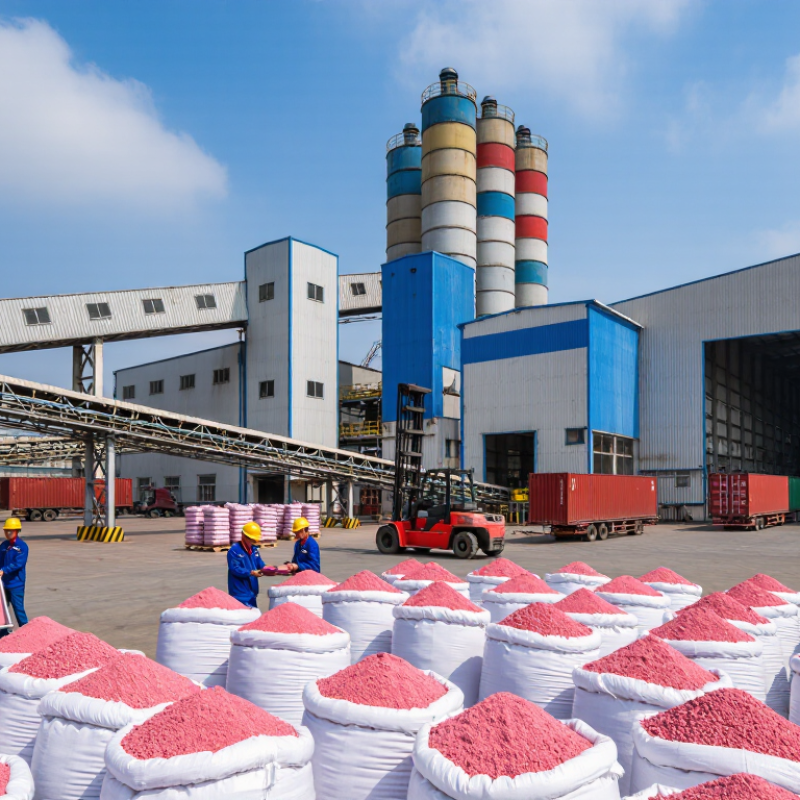
Waterjet garnet is a carefully graded abrasive, not ordinary beach sand. It is usually crushed from natural almandine or other garnet minerals. Its sharp grains cut steel, stone, glass, and composites when mixed with high-pressure water.
The USGS Mineral Commodity Summaries 2024 identifies garnet as an industrial abrasive used in waterjet cutting. Garnet typically measures about 7 to 8 on the Mohs hardness scale and has a specific gravity near 3.5 to 4.3. These properties help the grains stay effective under pressure. A typical abrasive waterjet system operates around 50,000 to 90,000 psi, according to technical literature from the waterjet cutting industry. The result is a narrow cut with limited heat-affected damage.
Mesh size matters. Coarser garnet can remove material faster, while finer grades may leave cleaner edges on thin sheets. Recycled garnet can reduce waste, but its cutting performance may decline after repeated use. That trade-off deserves testing, not assumptions. The U.S. Geological Survey also notes that garnet quality and supply depend on mineral type, processing, and geological source.
When comparing suppliers and prices, buyers should check mesh consistency, moisture, dust content, packaging, and delivered cost. A low quoted price may become expensive after freight or uneven cutting. Samples are useful. One trial on the actual material often reveals more than a supplier’s specification sheet.
Key Quality Standards for Waterjet Garnet
When comparing China waterjet garnet suppliers and prices, quality standards should guide the decision. A cheaper quote may indicate excessive dust, mixed particle sizes, or poor screening. For stable cutting, abrasive garnet should show consistent hardness, commonly around 7.5 to 8 on the Mohs scale. It should also have sharp, clean grains with limited rounded particles.
Particle size matters. Common grades such as 80 mesh must remain uniform throughout the shipment. Ask for sieve analysis, moisture content, chloride levels, and soluble salts. High moisture can block feeding systems. Excessive salts may create corrosion concerns during metal cutting. A reliable supplier should provide a recent certificate of analysis, batch number, production date, and traceable test results. Independent laboratory verification is useful when specifications affect production costs.
Price comparisons should include usable abrasive, not only the price per ton. High dust content increases consumption and cleanup. Weak packaging can also introduce moisture during transport. Check the bag weight, pallet protection, and storage guidance. No inspection plan is perfect. A common mistake is trusting one sample too much; production batches can vary. Request samples from several lots and test cutting speed, edge quality, and abrasive flow before placing a large order. The best supplier is not always the cheapest. Consistency deserves a measurable value.
China’s Leading Waterjet Garnet Supplier Regions
China’s leading waterjet garnet supplier regions include Shandong, Jiangsu, Henan, and Inner Mongolia. Shandong has strong processing and export connections. Jiangsu benefits from efficient ports and industrial logistics. Henan offers access to mineral processing facilities and inland transport networks. Inner Mongolia is better known for raw mineral resources, although distance can increase delivery costs.
Prices depend on mesh size, garnet hardness, washing quality, packaging, and order volume. Bulk 80-mesh waterjet garnet may commonly range from USD 180 to USD 400 per metric ton. These figures are only working references. Freight, moisture control, inspection, and port charges can change the final cost. In my purchasing experience, the cheapest quote is not always economical. Poorly washed abrasive can create more dust and reduce cutting consistency. I have also seen buyers compare prices without checking the actual weight inside each bag.
Tips:
Request a recent test report, sample, and loading photos. Confirm whether the quotation includes inland transport and export handling. Ask about Fe2O3 content, hardness, moisture, and particle distribution. A small trial order helps reveal flow performance before full purchasing. Some suppliers provide attractive samples, but later batches may differ. That possibility deserves attention.
How to Compare Chinese Garnet Suppliers
China offers many waterjet garnet suppliers, but price alone is a weak comparison. The USGS Mineral Commodity Summaries 2025 estimates global garnet mine production at about 1.1 million metric tons in 2024. That figure is approximate because several producers provide limited public data. Supply scale does not automatically prove abrasive consistency.
Compare each supplier through landed cost, not factory price. Request a recent certificate showing garnet origin, mineral composition, moisture, chloride, and particle-size distribution. For waterjet cutting, stable 80-mesh grading usually matters more than a low quoted price. Ask for sieve results across several batches. One clean sample is not enough. ISO 11126-10 can support checks for almandite garnet abrasive quality, but it does not replace your own cutting trial.
A practical test should record cutting speed, kerf quality, nozzle wear, abrasive consumption, and disposal weight. Keep the same pump pressure and material thickness. A supplier quoting 180 dollars per metric ton may become more expensive if consumption rises by 20 percent. Freight, packaging, port charges, and inland delivery must be listed separately. Industry logistics reports from UNCTAD also show that freight volatility can alter delivered costs quickly.
I would not trust unusually low prices without batch traceability. My comparison would still be imperfect if supplier documents were copied or outdated. Request sealed samples, production dates, and a written replacement policy. Then compare performance over several operating shifts, not one impressive cut.
China Top Waterjet Garnet Suppliers and Prices? - How to Compare Chinese Garnet Suppliers
The following table provides a practical, brand-neutral benchmark for comparing waterjet garnet suppliers in China. Prices are indicative FOB China ranges and should be confirmed against current specifications, order volume, packaging, inspection requirements, and freight conditions.
| Comparison Dimension | Common Market Benchmark | Why It Matters for Waterjet Cutting | Documents or Tests to Request | Comparison Priority |
|---|---|---|---|---|
| Garnet mineral type | Almandine garnet is commonly used for industrial waterjet cutting because of its hardness, density, and cutting performance. | Mineral composition affects cutting efficiency, nozzle wear, abrasive consumption, and recycling potential. | Mineralogical analysis, X-ray diffraction report, and product specification sheet. | High |
| Mohs hardness | Approximately 7.5–8.0 for almandine garnet. | Higher hardness generally supports effective cutting and helps maintain abrasive performance. | Laboratory hardness data and batch test records. | High |
| Specific gravity | Typically about 3.9–4.1 for almandine garnet. | Consistent density helps provide stable abrasive flow and predictable cutting results. | Specific gravity test report, preferably based on a recognized laboratory method. | High |
| Available mesh sizes | Common waterjet grades include 8–12, 12–24, 20–40, 30–60, and finer grades around 80 mesh. | The correct size depends on pump pressure, cutting head design, nozzle diameter, material thickness, and desired edge quality. | Sieve analysis showing the percentage retained in each mesh range. | High |
| Particle-size consistency | A narrow, consistent particle-size distribution is preferred over excessive fines or oversized particles. | Inconsistent sizing can cause unstable abrasive feeding, clogging, uneven kerf quality, and variable cutting speed. | Recent sieve-analysis report from the offered production batch. | High |
| Washing and processing | Water-washed, screened, dried, and magnetically separated material is commonly specified for waterjet use. | Processing removes clay, dust, salt, and magnetic contaminants that may affect abrasive flow and equipment reliability. | Process description, moisture result, cleanliness test, and factory inspection records. | High |
| Moisture content | Dry abrasive is normally required; the acceptable limit should be stated in the purchase specification. | Excess moisture can affect feeding, storage stability, packaging weight, and abrasive flow. | Moisture test result for the actual shipment or production lot. | Medium–High |
| Chloride and soluble salts | Low soluble-salt content is preferred, especially where corrosion control and clean processing are important. | Salt contamination may contribute to corrosion and can be unsuitable for sensitive applications. | Chloride or soluble-salt analysis from an independent laboratory. | Medium–High |
| Magnetic contamination | Magnetic separation is commonly used to reduce iron-bearing contamination. | Lower magnetic contamination supports cleaner abrasive handling and reduces unwanted metallic residue. | Magnetic-separation process description and contamination test results. | Medium |
| Indicative FOB China price | Approximately US$180–450 per metric ton for commonly traded industrial waterjet garnet grades, depending on quality, mesh, processing, packaging, and order volume. | The lowest quotation may have higher dust, inconsistent sizing, weaker packaging, or limited testing. | Formal quotation stating Incoterm, mesh size, net weight, packaging, validity period, and included testing. | High |
| Packaging options | Common formats include 25 kg bags, 500 kg big bags, and 1,000 kg jumbo bags; export packaging should be moisture-resistant. | Suitable packaging reduces moisture absorption, tearing, contamination, and handling losses. | Packaging photos, bag material specification, pallet details, and loading plan. | Medium |
| Minimum order quantity | Commercial orders are often quoted by metric ton; trial quantities and container-load requirements vary by supplier. | MOQ affects inventory cost, cash flow, trial feasibility, and freight cost per ton. | Written MOQ for trial orders, standard orders, mixed mesh orders, and customized packaging. | Medium |
| Quality-control system | A reliable supplier should maintain batch identification, incoming-material inspection, process control, and final-product testing. | Documented controls improve consistency between trial samples and repeated shipments. | Quality manual summary, batch records, inspection checklist, and corrective-action procedure. | High |
| Sample and cutting trial | A representative sample should be tested using the buyer’s actual pump, cutting head, nozzle, workpiece, and operating parameters. | Actual cutting performance is more meaningful than price or a laboratory specification alone. | Sample lot number, cutting speed, abrasive consumption, edge quality, and nozzle-wear observations. | Highest |
| Export and logistics capability | The supplier should clearly state port of loading, Incoterm, lead time, container loading method, and export documentation. | Reliable logistics reduce delays, demurrage, documentation errors, and unexpected landed cost. | Pro forma invoice, packing list, certificate of origin, safety documentation where applicable, and shipment references. | Medium–High |
Price note: The FOB China range is a market-oriented reference, not a fixed quotation. Compare suppliers using the same garnet type, mesh specification, moisture limit, packaging, quantity, Incoterm, inspection standard, and delivery schedule. The final purchasing decision should be based on total landed cost and verified cutting performance.
Waterjet Garnet Prices and Main Cost Factors
China Top Waterjet Garnet Suppliers and Prices?
Waterjet garnet prices depend on grade, origin, and delivery terms. Trade quotations commonly range from about US$180 to US$450 per metric ton for standard abrasive grades. Premium low-dust grades can cost more. IMARC’s industrial garnet market analysis identifies waterjet cutting as a major demand segment. USGS Mineral Commodity Summaries also lists garnet’s abrasive use, including waterjet applications. However, public reports often combine several garnet markets. Their figures are useful references, not purchase guarantees.
Mesh size strongly affects pricing. Common 80-mesh abrasive offers a balance between cutting speed and surface finish. Finer grades may improve detail but consume differently. Cost also includes washing, screening, drying, packaging, inland transport, port charges, and ocean freight. Moisture is easy to overlook. Wet sacks increase handling problems and may reduce usable abrasive. Bulk bags usually lower packaging costs, while small bags increase labor and warehouse expenses. Supplier testing should confirm hardness, chloride content, moisture, and particle distribution.
Tips: Request a recent test report and a delivered-price quotation. Compare cost per cutting hour, not only price per ton. Ask for the exact mesh range. Verify whether freight, insurance, and export handling are included. A cheaper quotation may become expensive after transport. I have seen buyers focus on hardness and overlook dust performance. That decision can distort the real operating cost. Prices also change with fuel rates and seasonal shipping capacity, so quarterly comparison is sensible.
Related Posts
-
What Are the Top Dock Hoist Types for Buyers?
-
What is Waterjet Cutting Aluminum and How Does It Work?
-
What is Waterjet Cutting and its Benefits in Utah?
-
Top 10 Benefits of Water Jet Abrasive Cutting Techniques?
-
Top China Water Jet Fabrication Solutions for Global Buyers?
-

Why Choosing Water Jet Rubber is Essential for Your Industrial Needs?