

How to Find Waterjet Cutting Suppliers in Seattle?
Seattle buyers rarely need a waterjet supplier in the abstract. They need a clean edge on a thick aluminum plate, a repeatable gasket profile, or a quote that accounts for material waste. Finding the right waterjet cutting seattle partner means checking more than machine size. Ask about maximum part dimensions, tolerance capability, material handling, and whether programming and finishing are done in-house. Small details matter. A sample cut can reveal edge taper or surface marks that a sales sheet will not.
Industry reports offer context, but not a shortlist. Grand View Research’s waterjet cutting machine market analysis tracks demand across manufacturing sectors, while reports from the Association for Manufacturing Technology examine broader U.S. machine-tool trends. These sources help explain why shops invest in cutting capacity; they do not verify a Seattle supplier’s current lead times or quality controls. That distinction is easy to miss. Compare written quotes using the same drawing, material grade, thickness, quantity, and delivery date. Ask how the shop handles revisions and what inspection records accompany the parts. Then check references or request a representative sample. A polished website is not evidence of consistent production. Nor is the lowest quote always the most useful one. It may omit setup, deburring, or packaging. In this guide, we’ll look at practical ways to identify capable local suppliers, assess their claims, and choose a shop that fits the work—not just the budget.
Understanding Waterjet Cutting and Its Industrial Applications
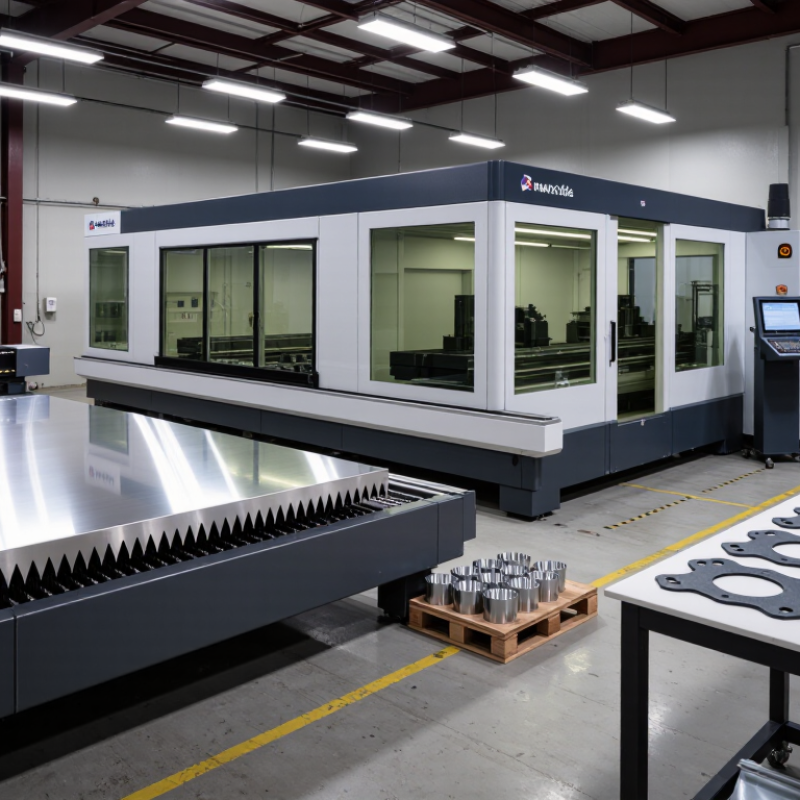
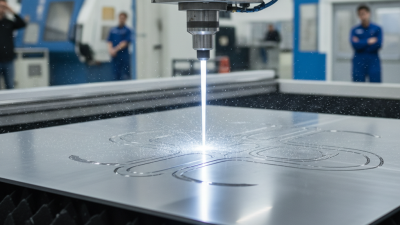
Waterjet cutting removes material with a high-pressure stream of water, often mixed with abrasive grit. Unlike plasma or laser cutting, it does not rely on heat to melt the workpiece. That matters when a shop needs to cut heat-sensitive plastics, composites, stone, or thick metal without creating a heat-affected edge. The cut is narrow. The floor can be wet and loud. Operators still need to manage noise, slurry, and abrasive disposal carefully.
The process suits Seattle-area work ranging from marine components to architectural panels and industrial replacement parts. Grand View Research estimated the global waterjet cutting machine market at about $1.2 billion in 2023, with projected growth through 2030. That figure signals broad industrial demand, but it does not tell a buyer whether a local supplier can hold a tight tolerance on a specific alloy. Ask for sample cuts, material thickness limits, achievable tolerances, and turnaround estimates. A clean edge on a thin test coupon may not predict results on a thick plate. That is easy to overlook. Compare the supplier’s inspection process and ask how it handles taper, corner quality, and wastewater before sending production drawings.
| Dimension | What It Means | Industrial Application | What to Check When Comparing Suppliers |
|---|---|---|---|
| Cutting process | An abrasive waterjet uses a high-pressure water stream, usually mixed with abrasive, to cut material. A pure-water jet is used for suitable soft materials. | Profiling sheet, plate, and other flat stock without the heat-affected zone associated with thermal cutting. | Ask which process is appropriate for your material and whether the quote includes abrasive cutting when required. |
| Material compatibility | Waterjet systems can cut many metals, stone, glass, ceramics, composites, and plastics; practical limits depend on equipment and material properties. | Metal components, stone and tile panels, glass parts, and composite shapes. | Provide the exact material grade, thickness, condition, and any protective-film or handling requirements. |
| Part geometry | A programmed jet can follow straight or curved two-dimensional profiles. Edge quality and accuracy depend on the machine, material, thickness, and cutting settings. | Brackets, gaskets, panels, templates, and nested part layouts. | Confirm accepted file formats, minimum feature capability, tolerances, edge-quality options, and whether test cuts are available. |
| Heat sensitivity | Because waterjet cutting is a cold-cutting process, it avoids the thermal effects created by processes such as laser or plasma cutting. | Parts where heat-related distortion or changes to material properties are a concern. | Explain any heat-related requirements and ask how the supplier controls taper, surface finish, and part movement during cutting. |
| Production quantity | Waterjet cutting can be used for prototypes and production work; job economics depend on setup, cutting time, material use, and finishing needs. | Prototype parts, short runs, and repeat production batches. | Request separate pricing for setup, cutting, material, finishing, and repeat orders; confirm lead time and quantity assumptions. |
| Finishing and handling | Cut parts may need deburring, cleaning, inspection, or additional machining depending on the design and application. | Components requiring assembly-ready edges or documented inspection. | Specify edge condition, deburring, cleaning, inspection records, packaging, and any secondary operations. |
| Seattle-area logistics | Supplier location can affect pickup, delivery, freight cost, and coordination for large or heavy stock. | Local manufacturing and maintenance projects serving the Seattle area. | Check service area, shop location, pickup and delivery options, material receiving rules, and shipping responsibility. |
| Quote readiness | Complete part and material information helps a supplier estimate feasibility, price, and schedule. | Requesting comparable bids for a new design or repeat job. | Send a dimensioned drawing or CAD file, material specification, thickness, quantity, tolerance needs, finish requirements, and target delivery date. |
Related Posts
-

Why Choose Waterjet Cutting Services in Seattle for Your Precision Needs?
-
Why Choose Waterjet Cutting in Utah?
-
7 Tips for Choosing a Water Jet Fabrication Supplier
-

The Future of Precision Manufacturing with Waterjet Cutting Technology in Utah
-
Top Tips for Maintaining Waterjet Cutting Parts for Optimal Performance
-
Why is Waterjet Cutting the Best Choice for Precision Manufacturing