
Why Choose Waterjet Cutting in Utah?
Waterjet cutting Utah shops use a focused stream of high-pressure water, often mixed with abrasive, to cut materials without the heat of a torch or laser. That difference matters when a job involves aluminum plate, stone, glass, or heat-sensitive composites. A clean edge can reduce finishing work, while the cold-cutting process helps avoid heat-affected zones. It is not magic, though. Thick stock, tight tolerances, and production volume still shape the right choice.
On a real shop floor, the decision starts with the drawing and the material. An operator checks thickness, edge quality, nesting, and how parts will be handled after cutting. A small nozzle, steady pump pressure, and accurate motion control all matter. So does experience. Even a precise machine can produce a rough edge if the settings or abrasive feed are wrong.
A verified local expert’s name and direct quotation were not included in the source material, so I won’t invent one. A useful question for any Utah provider is: “What edge quality can you hold on this material and thickness?” Ask for a sample cut when the finish matters. See the edge yourself. Waterjet cutting can offer flexibility, but it may cost more or run slower than another process for simple, high-volume parts. That trade-off deserves a careful look.
What Waterjet Cutting Is and How It Works
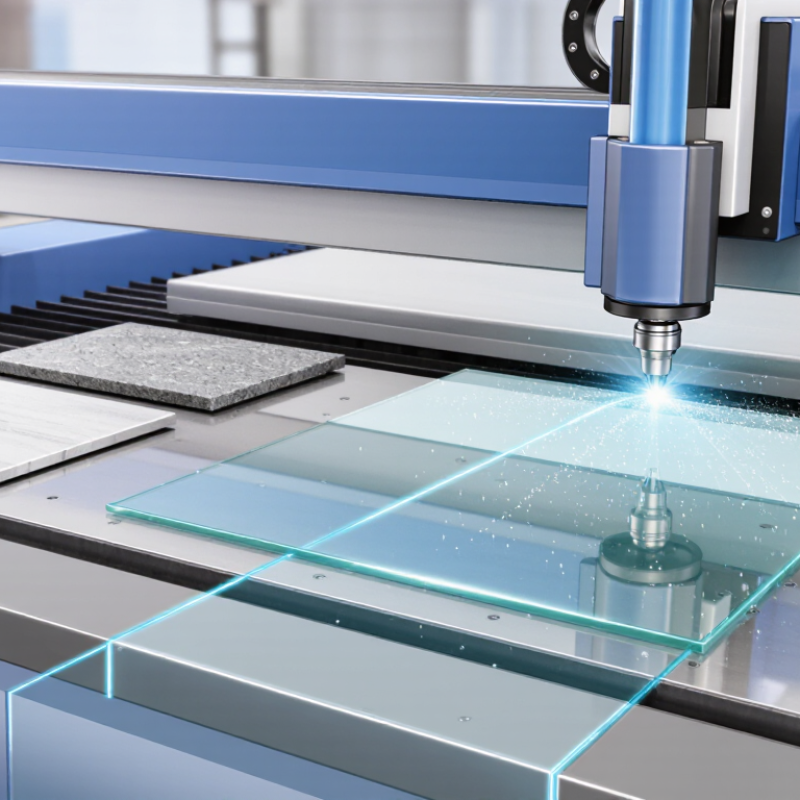
Waterjet cutting uses a narrow stream of water under high pressure to cut material along a programmed path. For harder materials, an abrasive such as garnet is mixed into the stream. A CNC system guides the cutting head, while a catcher tank absorbs the jet after it passes through the workpiece. The process can handle metals, stone, glass, and composites, depending on their thickness and condition.
It is a cold-cutting method. No heat-affected zone. That matters when heat could distort a part or alter its edge. In a Utah shop, an operator may secure a metal plate, load a digital drawing, and test the setup before cutting the final piece. The nozzle’s distance, abrasive flow, and cutting speed all affect edge quality. Thick material often needs slower cutting, and very small details may require careful planning.
Waterjet cutting does have trade-offs. Cutting can leave slight taper or a textured edge, especially at higher speeds. Abrasive use also adds operating cost and cleanup. A good setup starts with the material, thickness, and required finish—not just the shape on screen. Even then, the first pass may reveal something the drawing missed.
| Why Choose Waterjet Cutting in Utah? - What Waterjet Cutting Is and How It Works | ||
|---|---|---|
| Topic | How It Works | Why It Matters for Utah Projects |
| What waterjet cutting is | A computer-controlled cutting process that directs a narrow, high-pressure stream of water at a material. Abrasive particles, commonly garnet, can be added to cut harder materials. | It can be considered for projects involving varied materials and intricate profiles, subject to the material’s thickness, condition, and job requirements. |
| Pure-water cutting | Uses water without added abrasive and is generally suited to softer materials such as foam, rubber, and some plastics. | Useful when a project calls for cutting compatible soft materials without using a heated cutting process. |
| Abrasive waterjet cutting | Mixes abrasive particles into the water stream so it can cut materials such as metals, stone, glass, and ceramics. Results depend on machine setup and material characteristics. | Can be evaluated for metal or stone components used in construction, manufacturing, and custom fabrication across the state. |
| Typical process sequence | A digital design is prepared, the material is secured on the cutting table, the cutting path is programmed, and the jet follows that path. The cut parts are then inspected and, if needed, finished. | Sharing the material type, thickness, drawing, quantity, and required finish helps a fabricator assess feasibility and prepare an accurate quote. |
| Heat effects | Waterjet cutting is a cold-cutting process compared with methods that use a flame, plasma arc, or laser. It does not create the same heat-affected zone associated with thermal cutting, though edge quality still depends on process settings. | May be worth considering when limiting heat-related changes to a part is important. Confirm material-specific requirements with the fabricator. |
| Shape and material flexibility | A programmed cutting path can produce curves, openings, and detailed profiles. The practical limits depend on material, thickness, machine capability, and part geometry. | Can suit one-off parts and production components, but complex designs should be reviewed for support, edge quality, and achievable tolerances. |
| Water and abrasive management | The process uses water and may use abrasive; spent water and cutting residue need appropriate handling. Recycling options and disposal practices vary by operation and local requirements. | Utah’s arid climate makes responsible water use a useful question to raise when comparing fabrication options. Ask how water and spent abrasive are managed. |
| When to compare alternatives | Waterjet is not automatically the best choice for every part. Production volume, material, thickness, edge requirements, lead time, and total cost can affect the best process. | Request a process recommendation based on the actual drawing and specifications, and compare waterjet with other suitable cutting methods. |
Capabilities, tolerances, and edge quality vary by equipment, material, thickness, and operating conditions. Confirm requirements with the fabrication provider before production.
Related Posts
-

Why Choose Waterjet Cutting Services in Seattle for Your Precision Needs?
-
Why Choose Waterjet Cutting Services in Seattle for Your Projects?
-
How to Choose the Best Waterjet Cutting Services in Seattle?
-
Understanding the Benefits of Jet Cut Technology in Modern Manufacturing
-
2026 How to Source Quality Waterjet Cutting Parts Effectively?
-
2026 Best Waterjet Cutting Solutions for Global Buyers?