7 Tips for Choosing a Water Jet Fabrication Supplier
Choosing a water jet fabrication supplier is not just a price comparison. It is a decision about fit, finish, repeatability, and communication. A clean sample cut tells part of the story. The rest appears in how a supplier handles drawings, material limits, tolerances, and delivery changes. Ask to see work similar to your own. Look closely at the edge. Check the hole locations. Ask how the shop controls variation between parts. Small details matter.
Waterjet technology pioneer John Olsen, OMAX’s founder, helped advance the field. The following is an editorial paraphrase of the practical lesson his work represents, not a verified direct quotation: “Choose a partner who understands the cut, the material, and the finished part—not just the machine.” That distinction matters. A capable shop can explain how abrasive flow, nozzle condition, and material thickness affect results. It should also be clear about what it cannot promise. That honesty is useful.
This guide’s seven tips focus on evidence you can check: equipment and maintenance, relevant experience, quality controls, material handling, pricing transparency, lead times, and customer support. Bring a real part file or a marked-up drawing to the conversation. Ask what could go wrong. Listen for specific answers, not polished assurances. Even a strong supplier may miss a detail; that is worth discussing early. Compare proposals carefully, then choose the team that can explain its process in plain language.
Define Your Water Jet Fabrication Requirements
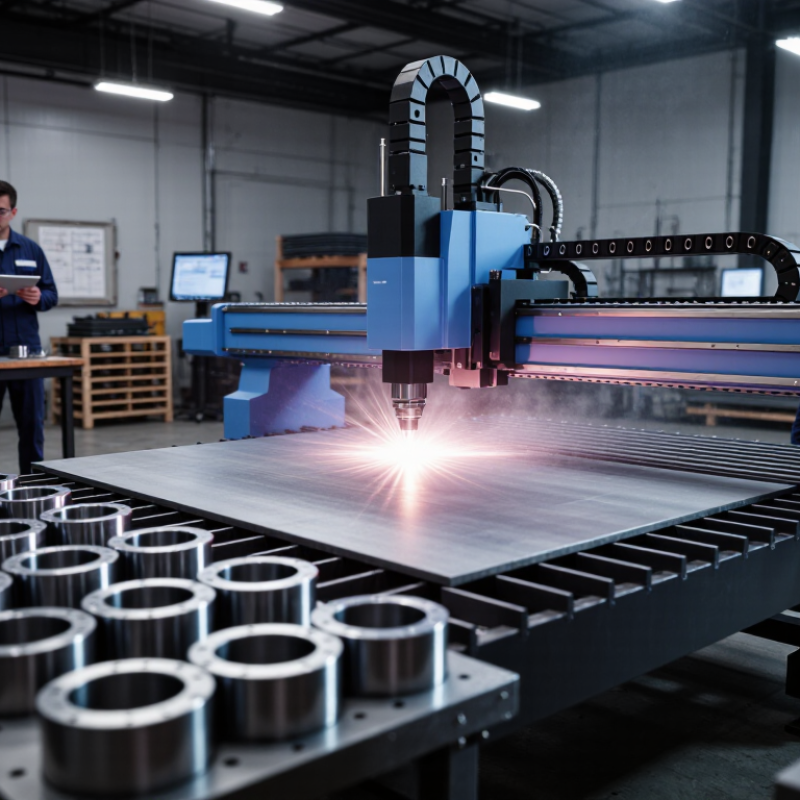
Before requesting quotes, define the part, process, and finished condition. List the material grade, thickness, largest dimensions, quantity, and required delivery date. State critical tolerances and identify which edges or surfaces need extra care. A thin aluminum panel with small holes needs different cutting parameters from a thick steel plate. Attach a drawing, but explain any features the drawing does not make clear.
Tip: Ask suppliers to confirm achievable tolerances for your material and thickness, rather than assuming a standard figure applies. Specify whether you need deburring, inspection records, or protective packaging. Include repeat-order expectations, too. A one-time prototype and a monthly production run can call for different capacity and pricing.
The Manufacturing Institute and Deloitte’s 2024 workforce study projected 3.8 million U.S. manufacturing jobs would be needed by 2033, with 1.9 million potentially unfilled. That broader labor outlook makes it sensible to ask about production capacity and lead-time assumptions, not just machine capability. Request a sample inspection plan and clarify how changes will be handled. Small details matter. I would still revisit the specification after the first parts arrive; real fit-up can reveal requirements that looked obvious on paper.
Evaluate Equipment, Materials, and Cutting Capabilities
7 Tips for Choosing a Water Jet Fabrication Supplier
Evaluate Equipment, Materials, and Cutting Capabilities
A machine list tells you little about a supplier’s real performance. Ask about pump pressure, table travel, abrasive-feed control, and maintenance records. These details affect repeatability, edge quality, and delivery reliability. Grand View Research estimated the global waterjet cutting machine market at about $1.1 billion in 2023, with projected annual growth of roughly 6.5% through 2030. That market trend signals adoption, not shop-floor competence. Ask for evidence.
Check whether the supplier has cut your actual material and thickness. Stainless steel, aluminum, stone, and layered composites behave differently under the jet. Request a trial using your stock, drawing, and required finish. Inspect the cut edge for taper, burrs, and visible delamination. A clean edge matters. Confirm tolerances against your part’s critical dimensions, not a general capability sheet.
Ask how the shop handles part nesting, small features, and repeat orders. Review a recent inspection report and ask how operators verify dimensions after cutting. Also confirm how they manage abrasive quality and nozzle wear. These can affect consistency. A sample may look excellent, yet production results can vary; that risk deserves a direct conversation. Some supplier specifications are vague, so request measured results before approving the work.
7 Tips for Choosing a Water Jet Fabrication Supplier - Evaluate Equipment, Materials, and Cutting Capabilities
| # | Evaluation Area | What to Ask or Check | Useful Evidence or Benchmark | Why It Matters |
|---|---|---|---|---|
| 1 | Equipment and machine condition | Ask about the machine’s cutting area, pump capacity, maintenance schedule, and current calibration. | Request the usable table dimensions and recent maintenance records. Waterjet systems commonly operate at pressures in the tens of thousands of psi; the suitable pressure depends on the machine and job. | Appropriate, well-maintained equipment helps support consistent cuts and reliable production. |
| 2 | Material experience | Confirm experience with your exact material, grade, thickness, and any surface or coating requirements. | Ask for examples involving materials such as aluminum, stainless steel, mild steel, titanium, glass, stone, ceramics, or composites, as applicable to your part. | Different materials and thicknesses can require different cutting parameters, support methods, and handling precautions. |
| 3 | Thickness and part-size capacity | Check the maximum practical material thickness and workpiece dimensions for your specific material and geometry. | Request a test cut or a written capability confirmation using the actual material, thickness, and part dimensions. | Published machine limits do not always reflect the best production range for a particular part. |
| 4 | Accuracy and edge quality | Ask how the supplier controls dimensional tolerance, taper, surface finish, and edge condition. | Have the supplier review your drawing and confirm achievable tolerances in writing. Results depend on material, thickness, geometry, and cutting speed. | A realistic, documented capability helps avoid fit-up problems and unexpected finishing work. |
| 5 | Cutting process and abrasive control | Determine whether the job calls for pure-water or abrasive waterjet cutting and how the process is monitored. | For abrasive cutting, ask about abrasive type, mesh size, feed consistency, and how the supplier manages contamination and spent abrasive. | The cutting method and process control affect the materials that can be cut, edge quality, and operating cost. |
| 6 | Inspection and quality documentation | Ask how parts are inspected and whether material traceability or inspection reports are available when required. | Confirm the inspection method, measuring equipment, first-article process, and documentation included with the order. | Clear inspection procedures make it easier to verify parts against drawings and resolve discrepancies. |
| 7 | Lead time, pricing, and communication | Request a quote that separates material, programming or setup, cutting, finishing, and shipping where applicable. | Compare the quoted delivery date, order assumptions, revision-control process, and response plan for schedule changes. | A complete quote and responsive communication reduce hidden costs and help keep production plans on track. |
Note: Cutting limits, tolerances, and surface results vary by machine, material, thickness, part geometry, and process settings. Confirm requirements with a sample cut or written capability review.
Verify Quality Standards and Technical Expertise
Before approving a water jet fabrication supplier, check its documented quality system and the people operating its equipment. The ISO Survey 2022 recorded 1,265,216 ISO 9001 certificates across 189 countries. That figure shows broad adoption, not that every certified shop can meet your specifications. Ask for the certificate’s scope, the audited facility, and its expiry date. Then confirm how operators verify cutting parameters, inspect finished parts, and handle nonconforming work. A certificate alone can leave gaps.
Test the supplier’s technical expertise with a part that matches your material and thickness. Request a sample and inspect its edge taper, kerf width, and dimensional results against your drawing. Ask for recent inspection records, machine maintenance logs, and calibration records for measuring tools. Paper is not proof. Have the supplier explain how it controls variation between production runs, not just how it produces one good sample. A useful report should show actual measurements and the instrument used. One caveat: a polished quality manual can look reassuring, yet still fail to describe the exact cutting job you need. Check the process on the shop floor, and make sure the person answering technical questions understands your tolerance requirements.
Compare Pricing, Lead Times, and Communication
When comparing water jet fabrication suppliers, ask for quotes against the same drawing, material grade, thickness, and tolerance. Otherwise, a lower price may simply exclude deburring, inspection, or careful part handling. Check whether setup, material waste, packaging, and delivery are included. A quote should explain its assumptions in plain language. Small details matter.
Lead times need the same scrutiny. Ask when production begins, not just when parts are expected to ship. Confirm whether the schedule includes material sourcing, cutting, quality checks, and transit. A supplier who flags a tight tolerance or unclear feature before quoting may be more dependable than one who promises a very short turnaround. Still, estimates can change. That comparison is not always clean.
Communication is part of the service, not an extra. Notice how quickly the supplier answers technical questions and whether replies address your actual drawing. Ask who will contact you if a material is unavailable or a measurement needs clarification. A brief update with a revised date is more useful than silence. Pay attention to the small signals: clear file requests, consistent units, and written confirmation of changes. They can prevent an avoidable batch of parts from arriving with the wrong edge finish.
7 Tips for Choosing a Water Jet Fabrication Supplier
Compare pricing, lead times, and communication alongside quality, capabilities, and support. Rate each candidate from 1 (weak) to 5 (strong), using verified quotes and documented evidence.
Illustrative scores only—not supplier research or industry benchmarks. Replace them with ratings based on your own quotes, lead-time commitments, sample work, and communications.
Check References, Capacity, and Supplier Reliability
References are useful only when they match your job. Ask for customers who have cut similar materials, thicknesses, and order quantities. Then ask specific questions: Were dimensions consistent? Were edges clean enough for the next operation? Did parts arrive when promised? “Would you hire them again?” can reveal more than a polished testimonial. Request a sample inspection report, if available.
Capacity means more than owning a waterjet. Check the cutting-bed size, material-handling setup, and available production hours. Share a representative drawing and ask how the supplier would schedule it, including setup and finishing time. A shop may handle a one-off part well but struggle with a repeat batch. Confirm current workload and lead time in writing; estimates can change when abrasive supplies or other jobs create delays.
Reliability shows up in small habits. Look for clear quotation details, prompt answers to drawing revisions, and documented checks on critical dimensions. Ask what happens when a part falls outside tolerance, and who contacts you about the issue. If practical, visit the shop and observe how jobs are labeled and protected before shipping. A tidy floor helps, but it proves little on its own. References can also be biased, so compare their comments with a sample part and the supplier’s actual process.
Related Posts
-
What Is the Best Water Jet Fabrication in China?
-
Top Benefits of Waterjet Cutting for Your Manufacturing Needs
-

Understanding the Benefits of Jet Cut Technology in Modern Manufacturing
-

Why Choose Waterjet Cutting Services in Seattle for Your Precision Needs?
-
2026 Top Waterjet Cutting Trends for Global Buyers?
-
Why Choose Waterjet Cutting in Utah?