
What Is the Best Water Jet Fabrication in China?
Choosing the best water jet fabrication partner in China requires more than comparing online prices. A reliable supplier should demonstrate practical experience, precise equipment, and consistent quality control. Waterjet cutting can process stainless steel, aluminum, glass, stone, titanium, and composite materials without creating a heat-affected zone. However, material behavior still matters. A polished edge on stainless steel may require different settings from a clean cut through granite.
Look for suppliers that explain their process clearly. Ask about machine accuracy, cutting tolerances, abrasive management, CAD compatibility, and inspection methods. Request recent sample photos, dimensional reports, and material certificates when appropriate. A professional workshop should also provide traceable production records, secure packaging, and realistic delivery schedules. Certifications can support credibility, but they should not replace direct evidence of performance.
Details reveal capability.
A strong supplier will discuss kerf width, pierce marks, surface finish, and corner quality before production begins. They should identify design risks instead of accepting every drawing without questions. Communication also matters, especially when specifications change across time zones. Still, no factory is perfect. Some websites display impressive machinery but offer limited engineering support. Others quote quickly, then struggle with revisions. This guide evaluates China-based water jet fabrication companies through experience, technical competence, transparency, quality systems, and customer feedback. The best choice depends on your material, tolerances, volume, budget, and required finish—not on marketing claims alone.
What Is Water Jet Fabrication in China?
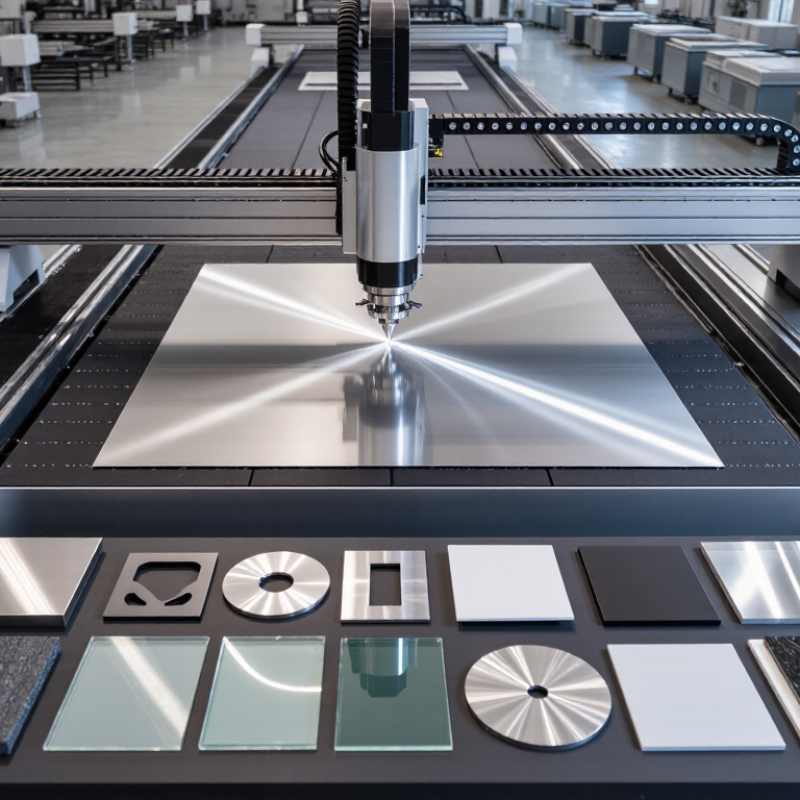
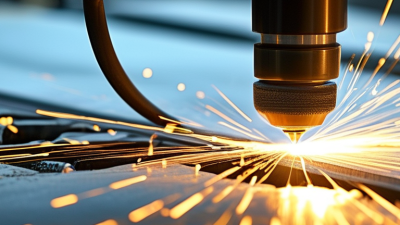
Water jet fabrication in China is a cold-cutting process that shapes metal, stone, glass, and composites. A high-pressure water stream follows a digital drawing with controlled movement. Abrasive particles, often garnet, help cut hard materials such as stainless steel and aluminum. Pure water works better for rubber, foam, and other soft products. No cutting flame is involved.
In a typical Chinese fabrication workshop, an operator checks the CAD file before loading a steel plate. The machine then cuts profiles, slots, holes, or decorative patterns. A finished panel may show a smooth top edge and a slightly tapered lower edge. This detail matters when parts must fit tightly. Experienced suppliers measure samples with calipers, height gauges, or coordinate equipment. They also record material grades, thickness, cutting speed, and inspection results.
Quality can vary between workshops. That is worth remembering. A low quotation may exclude edge finishing, packaging, or dimensional inspection. Buyers should request drawings, tolerance requirements, sample photos, and a clear production schedule. Small test pieces can reveal kerf width, surface texture, and heat-free cutting performance. Water jet fabrication does not solve every problem. Thick materials may need slower cutting, and poorly prepared drawings can create expensive mistakes. Careful communication remains essential.
How Does the Water Jet Fabrication Process Work?
Water jet fabrication in China relies on controlled cutting rather than heat. The process begins with a checked CAD drawing and confirmed material thickness. Technicians inspect the plate for rust, distortion, and hidden surface damage. A high-pressure pump then sends water through a tiny orifice. Abrasive particles may be added for steel, stone, glass, or other hard materials.
The cutting head follows programmed toolpaths across the worktable. It pierces the material slowly, then moves along the profile at a measured speed. Cutting speed, abrasive flow, and nozzle distance affect edge quality. After cutting, workers remove abrasive residue and inspect dimensions with calibrated tools. Experienced operators also check taper, roughness, and small corner defects. These details matter in precision assemblies. The process is powerful, but not magical. A poor drawing can produce a very accurate mistake. Material vibration can also reduce consistency, especially on thin sheets.
Tips: Confirm the drawing scale before programming. Use test cuts for unfamiliar materials. Keep the nozzle aligned and replace worn parts promptly. Do not judge quality by appearance alone; measure critical edges. Some first attempts need adjustment, and that is normal. A short production review can reveal wasted abrasive, excessive cutting time, or an unsuitable feed rate. Good fabrication depends on clear specifications, stable equipment, skilled inspection, and honest communication between the workshop and customer.
Which Materials Can Chinese Water Jet Shops Cut?
When asking, “What is the best water jet fabrication in China?” materials should guide your decision. Chinese water jet shops commonly cut carbon steel, stainless steel, aluminum, copper, brass, and titanium. They can also process tool steel without creating a heat-affected zone. That matters for parts requiring stable hardness and clean edges.
Pure-water systems handle rubber, foam, leather, plastic, and some insulation materials. Abrasive water jets cut stone, glass, ceramics, composites, and layered panels. They are useful for granite countertops, ceramic plates, and carbon-fiber components. However, every material behaves differently. Glass may chip near small holes. Laminated sheets can separate. Soft plastics may deform during clamping. Thickness, hardness, nozzle condition, and table stability all affect the result.
From practical sourcing experience, request a test cut before approving production. Send the exact material grade, thickness, drawing, tolerance, and edge-finish requirement. Ask whether the shop can inspect taper, hole size, and surface roughness. A reliable supplier should provide material certificates, inspection records, and clear process details. It should also explain abrasive contamination risks when cutting softer materials. A smooth sample is encouraging, but it is not proof of consistent production. Sometimes, my first assumption is wrong. The final decision should follow measured samples, not attractive machine photographs.
How to Evaluate the Best Water Jet Fabricator in China?
Choosing a water jet fabricator requires more than comparing hourly cutting prices. Examine cutting accuracy, edge quality, material range, and production capacity. Ask for recent samples using your actual material and thickness. A precise supplier should explain tolerances clearly, not promise impossible results. Check whether the workshop uses calibrated equipment and records maintenance regularly. Small details matter, especially on aluminum panels, stainless steel parts, and stone components.
Tips: Request a sample drawing before production. Confirm tolerances, surface requirements, packaging, and delivery dates in writing. Review inspection reports, measuring tools, and traceability records. A reliable fabricator should identify problems before shipping, not after arrival. Communication also matters. Test response speed with practical questions about kerf width, nesting, and edge taper. Vague answers deserve caution.
Factory capability should match your project, not merely look impressive online. Ask about operator experience, backup equipment, quality procedures, and handling for oversized parts. A site visit or live video inspection can reveal crowded floors, poor storage, or weak organization. Price still matters, but an unusually low quotation may hide extra setup fees or inconsistent quality. I have seen buyers focus heavily on savings and overlook packaging damage. That mistake is expensive. Leave room for revision, because drawings and tolerances sometimes need another review.
What Is the Best Water Jet Fabrication in China? - How to Evaluate the Best Water Jet Fabricator in China?
| Evaluation Dimension | Recommended Benchmark | Why It Matters | Evidence to Request | Suggested Weight |
|---|---|---|---|---|
| Cutting Accuracy | Target dimensional tolerance of approximately ±0.10–0.25 mm, depending on material, thickness, machine condition, and cutting strategy. | Accuracy directly affects fit-up, assembly time, secondary machining, and material waste. | Recent inspection reports, sample parts, calibrated measuring equipment, and a documented acceptance standard. | 20% |
| Repeatability | Consistent results across repeated parts, batches, and cutting areas, with documented process controls. | Stable repeatability is essential for production orders and interchangeable components. | A repeat-cut test, inspection records, process-control plan, and corrective-action procedure. | 15% |
| Material Capability | Demonstrated experience with metals, stone, glass, ceramics, composites, rubber, and other specified materials. | Different materials require different abrasive grades, cutting speeds, nozzle settings, and support methods. | Material-specific sample cuts, process parameters, and a list of successfully completed comparable projects. | 10% |
| Thickness Range | Capability should match the project requirement; waterjet systems are commonly used for thin sheet through very thick plate and block materials. | Actual maximum thickness depends on material hardness, machine power, taper tolerance, and required edge quality. | A test cut using the required material and thickness, including measured taper and edge condition. | 10% |
| Equipment and Process Technology | Modern CNC control, suitable pump capacity, abrasive cutting capability where required, and effective cutting-head maintenance. | Machine condition influences speed, accuracy, edge quality, uptime, and operating cost. | Equipment list, maintenance logs, pump service history, calibration records, and photographs or an inspection visit. | 10% |
| Edge Quality and Taper Control | Edge quality and taper should be defined according to the application, with higher-quality settings used for precision assemblies. | A clean, consistent edge can reduce deburring, grinding, and additional finishing work. | Photographs at an appropriate scale, cross-section measurements, and samples cut at the requested quality level. | 10% |
| Engineering and CAD/CAM Support | Ability to work with common 2D/3D formats, verify drawings, identify manufacturability issues, and provide nesting support. | Good engineering communication prevents drawing errors, incorrect kerf compensation, and unnecessary material loss. | Drawing-review workflow, software compatibility list, sample nesting layout, and revision-control procedure. | 8% |
| Quality Management | Documented inspection, traceability, nonconformance control, and a quality management system appropriate to the project. | A controlled quality system reduces variation and makes problems easier to trace and correct. | Quality certificates where applicable, inspection plans, material certificates, and sample final inspection reports. | 7% |
| Lead Time and Production Capacity | A realistic schedule based on material availability, quantity, programming, cutting time, inspection, and packing requirements. | Reliable delivery is often more valuable than a low initial quotation. | Capacity plan, production schedule, on-time delivery record, and clearly stated lead-time assumptions. | 5% |
| Total Cost and Quotation Transparency | Quotation should clearly separate material, programming, cutting, abrasive, finishing, inspection, packaging, tooling, and logistics costs. | Transparent pricing makes suppliers comparable and helps prevent unexpected charges. | Itemized quotation, validity period, payment terms, change-order policy, and shipping assumptions. | 3% |
| Communication and After-Sales Support | Clearly assigned technical contacts, prompt drawing clarification, packaging support, and a defined response process for quality issues. | Effective communication reduces project delays and simplifies resolution of technical or delivery problems. | Communication procedure, escalation contacts, warranty terms, replacement policy, and customer references for comparable work. | 2% |
| Total Evaluation Weight | 100% | |||
What Industries Use Water Jet Fabrication Services?
Water jet fabrication serves industries that need accurate cuts without heat damage. Aerospace manufacturers use it for aluminum panels, titanium brackets, and composite parts. The cold cutting process helps protect heat-sensitive materials and reduce distortion. However, thick aerospace components still require careful inspection after cutting.
Automotive production uses water jets for steel prototypes, interior panels, gaskets, and custom tooling. Engineers can test several designs without producing expensive hard dies. In architecture, fabricators cut stone, glass, ceramic, and metal for floors, façades, and decorative screens. A detailed drawing review matters here. Small layout errors can become highly visible on a finished wall.
Energy and heavy equipment companies cut stainless steel, copper, rubber, and reinforced materials for assemblies. Shipbuilding also uses water jets for plates, brackets, and repair components. Medical equipment suppliers may use the process for clean, precise metal parts, provided their inspection procedures meet the required standards. Good fabrication depends on more than machine power. Operators check abrasive flow, nozzle condition, edge taper, and dimensional tolerances. Material certificates and part traceability improve reliability.
It is not perfect. Cutting thick material can be slow, and abrasive residue may require cleaning. Some edges need secondary finishing. In my experience, a small trial cut often reveals problems that software misses. That practical step can prevent costly rework.
Related Posts
-
Understanding the Benefits of Jet Cut Technology in Modern Manufacturing
-

Why Choose Waterjet Cutting Services in Seattle for Your Precision Needs?
-
2026 Top Waterjet Cutting Trends for Global Buyers?
-
Top Benefits of Waterjet Cutting for Your Manufacturing Needs
-
2026 Best Waterjet Cutting Solutions for Global Buyers?
-
Best Waterjet Cutting Services in Seattle for Your Projects?