What is Waterjet Cutting Aluminum and How Does It Work?
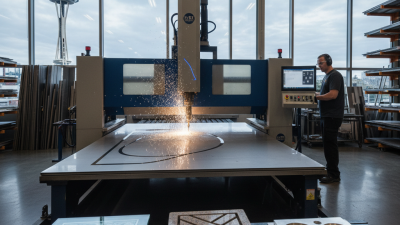
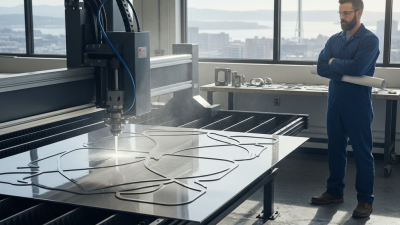
Waterjet cutting aluminum has become a pivotal technology in the manufacturing sector. This process utilizes high-pressure water jets to slice through aluminum with precision and minimal thermal distortion. According to a recent report by the Fabricators and Manufacturers Association, nearly 30% of manufacturers have adopted waterjet cutting techniques in their operations due to its efficiency and versatility.
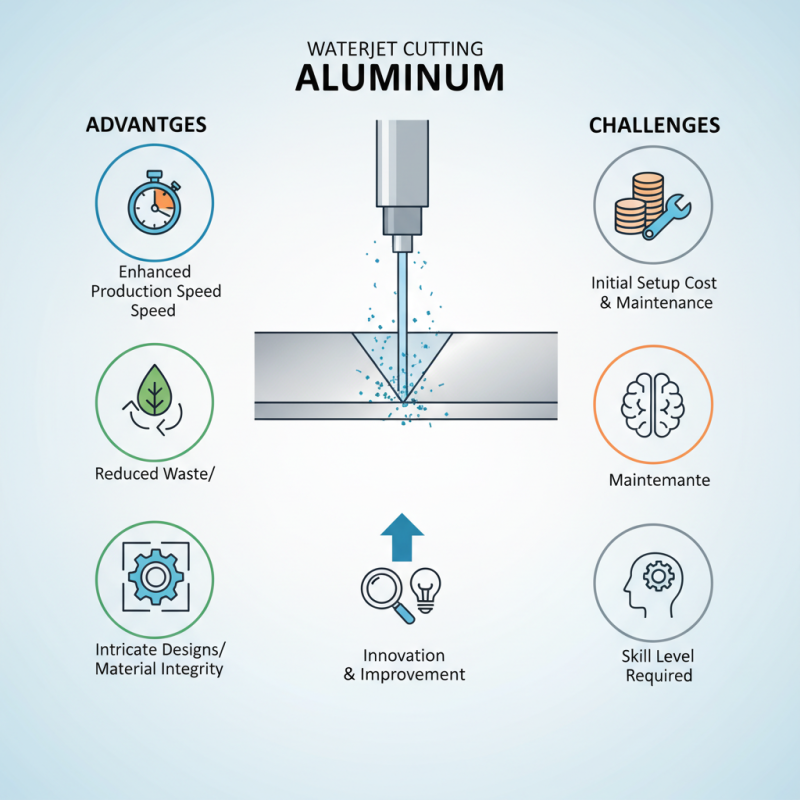
Industry expert Dr. Sarah Mitchell emphasizes the benefits of this method, stating, "Waterjet cutting aluminum not only enhances production speed but also significantly reduces waste." This sustainable aspect appeals to companies striving for eco-friendly manufacturing practices. The ability to create intricate designs without compromising the material integrity is another reason for its growing popularity.
While waterjet technology offers remarkable advantages, it’s not without its challenges. Some fabricators struggle with the initial setup costs and maintenance of the machinery. Users must also consider the skill level required for effective operation. Nevertheless, as the demand for precise and sustainable manufacturing grows, waterjet cutting aluminum will likely continue to evolve, presenting opportunities for innovation and improvement.
What is Waterjet Cutting?
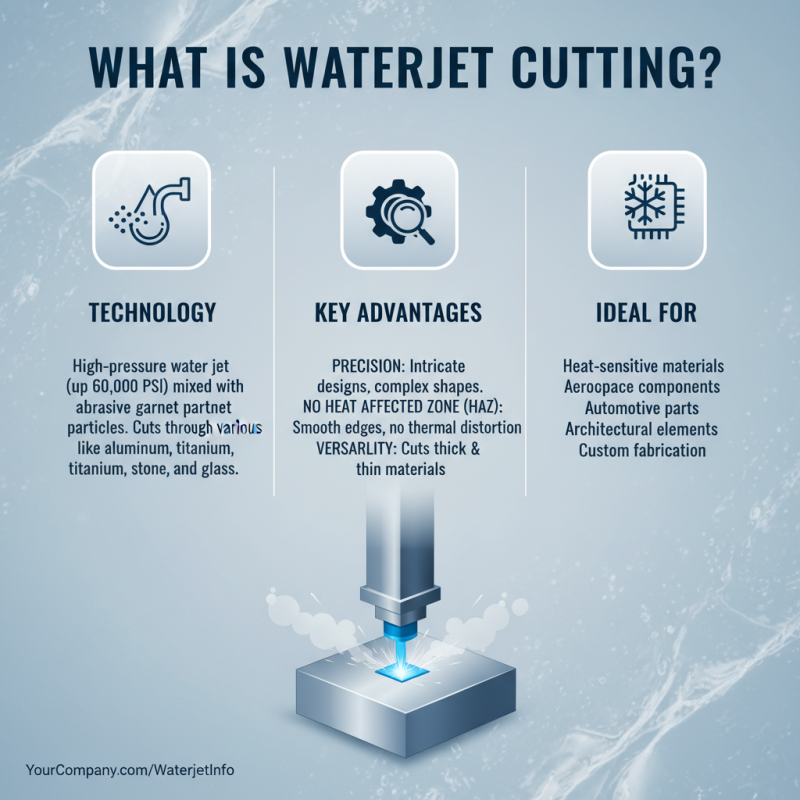
Waterjet cutting is an advanced technology used for machining materials like aluminum. It utilizes a high-pressure jet of water, often mixed with abrasives, to cut through various substances. This method is known for its precision and versatility. It can create intricate designs, complex shapes, and smooth edges without generating heat. The absence of thermal distortion makes it ideal for sensitive materials.
When considering waterjet cutting, it's vital to understand how it works. The process involves a high-pressure pump that generates water pressure up to 90,000 psi. The water then exits through a narrow nozzle, forming a concentrated stream. Adding abrasives enhances cutting ability, especially for tougher materials. Proper setup can significantly affect cutting speed and quality.
Tip: Always check the material thickness before cutting. Thicker materials may require more power or time.
While waterjet cutting offers many benefits, it is not flawless. One challenge is maintaining consistent cutting speeds for various materials. Additionally, the initial setup may require experimentation to achieve optimal results. Small adjustments can yield better accuracy.
Tip: Regular maintenance of the cutting equipment helps ensure efficiency. Keeping the nozzles clean enhances performance.
Understanding the Process of Waterjet Cutting Aluminum
Waterjet cutting aluminum is a precise method that uses
high-pressure water mixed with abrasive materials. This technique is ideal for producing intricate designs.
Understanding the process begins with focusing on the cutting head.
Water is pressurized to around 60,000 psi. It then
passes through a tiny nozzle, transforming into a powerful jet. When mixed with abrasives, it can cut through
aluminum with ease.
It’s important to monitor the cutting speed. If it’s
too fast, edges may not be clean. If it’s too slow, it could cause excess heat. Keeping an eye on the
water quality is essential, as contaminants can affect
the cut’s precision.
Tips: Regularly maintain your waterjet system. Clean the nozzle to
prevent blockages. Also, consider experimenting with different abrasive materials for varied results. Each
project might require adjustments in pressure and speed to achieve the best outcome.
Patience is key; sometimes, you’ll notice imperfections
that will teach you for future projects.
The Advantages of Waterjet Cutting for Aluminum Materials
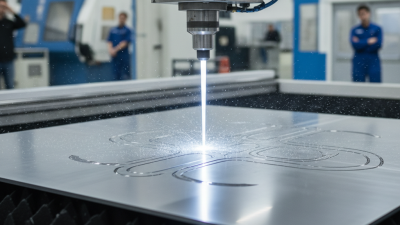
Waterjet cutting is a precise manufacturing method favored for aluminum materials. This technique uses high-pressure water streams mixed with abrasives. It can cut intricate shapes without altering the aluminum's properties due to heat. Many industries appreciate this for prototypes and custom designs.
One of the key advantages is the minimal material waste. Waterjet cutting generates less scrap compared to traditional methods. The cutting process allows for tight tolerances, ensuring parts fit together seamlessly. Additionally, there’s no need for secondary finishing, which saves both time and costs.
However, it's important to note that waterjet cutting isn't without its drawbacks. The initial setup can be complex, requiring skilled operators. Maintenance of the equipment might be an ongoing concern for some facilities. Users should weigh these factors against the benefits to determine if this method fits their needs.
Applications of Waterjet Cutting in Various Industries
Waterjet cutting has become a go-to solution in many industries. Its ability to cut aluminum with precision makes it highly valued. This technology utilizes high-pressure water mixed with abrasive materials to create powerful cutting streams.
In the automotive sector, waterjet cutting is essential for fabricating complex parts. It helps manufacturers create intricate shapes without compromising on strength or accuracy.
Aerospace also relies on this method. Components requiring lightweight yet durable materials benefit from waterjet cutting's precise capabilities.
Moreover, the architecture field increasingly incorporates waterjet technology. Artists and designers utilize it to create stunning decorative elements and functional pieces. However, the technique is not without challenges. Setting up the machinery requires expertise. Understanding the correct pressure settings and abrasive types is crucial for optimal results.
Maintenance and Safety Considerations in Waterjet Cutting
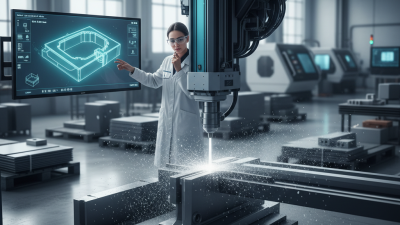
Waterjet cutting aluminum presents unique challenges in maintenance and safety. Operators must prioritize equipment upkeep to ensure precision and efficiency. Regular maintenance can drastically reduce the risk of equipment failure, which is noted in a 2021 report indicating that 30% of downtime issues stem from neglected maintenance.
Safety considerations are paramount. High-pressure waterjets can reach up to 90,000 psi, creating a risk for operators. Protective gear is essential. The American National Standards Institute recommends safety glasses, gloves, and protective clothing while operating waterjet machinery.
**Tip:** Always inspect equipment daily before usage. This includes checking for leaks or worn parts. Scheduled maintenance can prevent accidents and prolong equipment life.
Training is equally important. A well-trained operator enhances safety awareness. Studies show that properly trained operators can reduce accidents by 50%. Operators should undergo routine safety training and be aware of emergency procedures as part of their job training.
**Tip:** Encourage a safety culture within the workspace. Regularly discuss safety protocols with all team members. This can foster awareness and accountability, ensuring everyone prioritizes safety.
What is Waterjet Cutting Aluminum and How Does It Work? - Maintenance and Safety Considerations in Waterjet Cutting
| Aspect |
Details |
| Cutting Technology |
Utilizes high-pressure water mixed with abrasive materials to cut through aluminum. |
| Applications |
Used in aerospace, automotive, and manufacturing for precise cutting. |
| Benefits |
No heat affected zone, minimal waste, and the ability to cut complex shapes. |
| Maintenance |
Regular inspection of pump and nozzle, replacement of worn parts, and maintenance of water quality. |
| Safety Considerations |
Protective gear is essential; operators must be trained to handle high-pressure systems safely. |