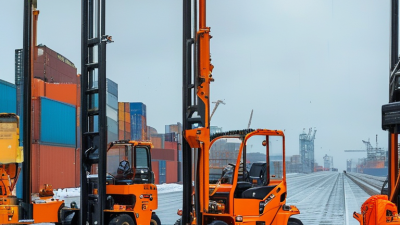
What Are the Top Dock Hoist Types for Buyers?
Choosing the right dock hoist begins with the loading task, not the product brochure. Buyers must examine load weight, lifting height, duty cycle, platform dimensions, and available power. A compact warehouse may need a wall-mounted hoist. A busy distribution center may require a hydraulic or electric model with stronger cycle performance. The details matter.
Randy Breaux, a recognized material-handling executive, has often stressed a practical buying principle: “The right equipment starts with understanding the application.” That view fits dock hoist selection closely. A hoist handling 2,000 pounds occasionally faces different demands from one lifting 10,000 pounds every hour. Weather exposure changes the decision too. Rain, dust, cold temperatures, and uneven dock surfaces can affect controls, brakes, and maintenance access.
There is no perfect choice.
This guide compares the leading dock hoist types for commercial buyers. It considers hydraulic, electric, mechanical, and vehicle-mounted designs. Each section connects technical features with real operating conditions. Readers will see where speed helps, where simplicity wins, and where a lower purchase price may create higher service costs later. The comparison also addresses safety factors, inspection routines, installation limits, and operator training. Those points are sometimes overlooked during purchasing discussions. That is a weakness worth admitting. Specifications alone cannot predict daily performance. Site measurements, maintenance records, and honest input from operators often reveal more. A reliable buying decision balances capacity, reliability, lifecycle cost, and the conditions surrounding every lift.
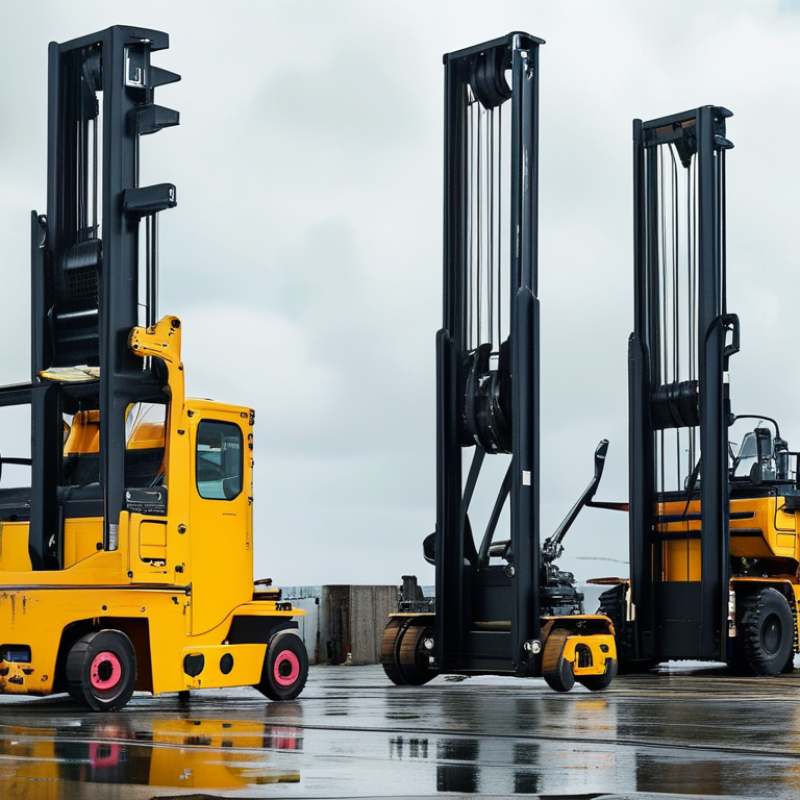
Dock Hoist Fundamentals: Rated Capacity, Lift Height, and Duty Class
Choosing a dock hoist starts with the load, not the catalog photograph. Hydraulic hoists suit frequent loading and controlled movement. Mechanical screw hoists can offer straightforward positioning and simpler maintenance. Telescopic or high-lift designs help where the dock must reach multiple vehicle heights. Each type has limits. A compact unit may fit a tight bay, yet its platform can feel too small for pallet turning. That detail matters.
Rated capacity is the working load, including pallets, carts, operators, and shifting impact. Never treat a 5,000-pound rating as spare capacity. Measure the heaviest real load. Then consider uneven placement. Lift height describes travel from the lowest safe position to the working deck. Record both dimensions at the site. A truck bed, dock edge, and floor may not align as expected. I have seen projects lose usable clearance because the pit depth was guessed.
Duty class reflects how often the hoist works and how severe each cycle is. Occasional warehouse use differs from continuous transfer across a busy dock. Ask for cycle ratings, maintenance intervals, guarding details, and emergency lowering procedures. Confirm the controls remain reachable beside a loaded platform. A smooth test lift is useful, but it proves little by itself. Watch for sway, noise, and delayed stopping. My own early mistake was focusing on maximum height before checking daily traffic. The higher lift looked impressive. It was not the better fit.
Electric Chain Hoists: 1–5 Ton Ratings Under ASME B30.16
Electric chain hoists rated from 1 to 5 tons suit many dock lifting tasks, including machinery handling, pallet positioning, and maintenance work. Their compact bodies fit beneath low beams, while pendant controls allow operators to stand clear of suspended loads. The correct rating depends on the heaviest load, not the average load. A three-ton hoist may lift three tons only when the supporting structure, rigging, trolley, and operating conditions are also suitable.
ASME B30.16 provides practical guidance for hoist construction, inspection, operation, and maintenance. Buyers should verify rated capacity markings, load-chain condition, brake performance, upper and lower limit devices, and emergency controls. Lift height matters too. A chain bag that is too small can cause tangling near the dock floor. Wet or abrasive dock environments also demand careful protection and frequent inspections. Small defects grow quickly.
Selection should include duty cycle, lifting speed, beam compatibility, power supply, and control distance. A 1-ton unit may work well for light service, while a 5-ton model needs stronger structural support and more disciplined load control. Operators should avoid side pulling, shock loading, and lifting people. A checklist helps, but it is not perfect. It can miss a stretched chain or a loose beam connection. Experienced personnel should inspect the complete lifting system before regular use and document findings clearly.
This chart compares nominal electric chain hoist ratings from 1 to 5 US short tons. Metric values are calculated using 1 US short ton = 907.1847 kg. ASME B30.16 provides safety requirements for overhead hoists; actual capacity selection must be verified against the hoist’s rated load, duty cycle, installation, and operating conditions.
Wire-Rope Dock Hoists: High-Lift Loads and FEM Duty-Class Selection
Wire-rope dock hoists suit loading bays that need high lifts, frequent movement, and controlled positioning. Their steel rope handles vertical travel efficiently, even when the platform rises several meters above the dock floor. In practice, buyers should examine more than rated capacity. A 5-ton hoist may lift the load, but its brake, drum, motor, and rope system must also tolerate the working pattern.
FEM duty-class selection is central. Class 1Am may suit occasional use, while 2m, 3m, or higher classes fit heavier load spectra and repeated cycles. Count daily lifts, average load weight, lifting height, and idle time. A hoist moving 80% of its capacity every few minutes needs a different class from one lifting light pallets twice daily. This detail is often underestimated.
Tips: Record one typical workweek. Note the heaviest load, lift frequency, and starts per hour. Check rope diameter, reeving, brake response, and emergency stop access. Leave room for future demand. That prediction may be wrong, but ignoring it can be costly.
Ask a qualified lifting engineer to verify FEM classification, supporting structure, travel limits, and inspection intervals before purchase. Keep the rope clean and properly lubricated. Inspect for broken wires, crushing, corrosion, and uneven winding. Small defects can become serious during high-lift operation.
Hydraulic Dock Hoists: Platform Loads from 6,000 to 20,000 Pounds
Hydraulic dock hoists are a strong choice for buyers handling platform loads from 6,000 to 20,000 pounds. They use hydraulic cylinders to raise freight smoothly between dock and floor level. Common configurations include single-cylinder, dual-cylinder, and scissor-lift designs. Each suits different platform sizes, pit depths, and loading patterns. A 6,000-pound hoist may serve palletized goods, while heavier models handle machinery or dense materials. The rated capacity must include the load, pallet, and handling equipment.
Real-world selection requires more than comparing weight ratings. Check the platform’s usable dimensions, raised height, lowered height, and center-of-load requirements. Uneven loading can reduce stability. It can also increase wear on hinges, rollers, and hydraulic components. A reinforced platform helps with repeated forklift traffic, but it does not excuse poor loading practices. Review cylinder protection, hose routing, emergency lowering, and control accessibility. Specifications vary, and buyers sometimes overlook duty cycle. That mistake becomes expensive.
Tips: Ask for documented load tests and maintenance guidance. Confirm whether the rating applies evenly across the platform. Inspect welds, guards, and hydraulic leaks before acceptance. Keep the pit clear of debris. Train operators on smooth entry and exit. A perfect match is rare, so record actual daily loads before choosing the final hoist size.
Manual and Pneumatic Hoists: 80–100 PSI Air Systems and Low-Duty Use
What Are the Top Dock Hoist Types for Buyers?
Manual and pneumatic hoists suit different dock conditions, especially when lifting frequency stays low. Manual chain hoists need no air supply, compressor, or control wiring. They are practical for occasional loading tasks and remote dock areas. The trade-off is slower operation and greater operator effort. Not glamorous, but dependable.
Pneumatic hoists become more attractive where compressed air already serves dock equipment. Many industrial systems operate between 80 and 100 PSI, matching common pneumatic hoist requirements. Buyers should verify pressure under load, not only at the compressor gauge. The U.S. Department of Energy’s Compressed Air Sourcebook estimates that leaks can waste 20–30% of compressor output. That loss can reduce lifting speed and create inconsistent control. A pressure regulator, filter, shutoff valve, and visible gauge deserve attention.
Low-duty use changes the buying decision. A hoist used several times weekly may not justify a larger air motor or higher-capacity system. ASME B30.16 emphasizes rated-load operation, inspection, and control of suspended loads. OSHA material-handling guidance also supports pre-use inspections and safe equipment practices. Those requirements do not replace a site assessment. They shape it. Measure lift height, load weight, duty cycle, air quality, and available mounting space. I would avoid selecting solely by maximum capacity; that assumption is often wrong. A compact manual hoist may fit a quiet dock better, while a pneumatic model can reduce physical strain during repeated short lifts. Performance still depends on maintenance, training, and honest duty estimates.
What Are the Top Dock Hoist Types for Buyers? — Manual and Pneumatic Hoists: 80–100 PSI Air Systems and Low-Duty Use
| Hoist Type | Operating Medium | Typical Capacity Range | Typical Lift Speed | Duty Profile | Air-System Requirement | Best-Fit Dock Applications | Main Advantages | Buyer Considerations |
|---|---|---|---|---|---|---|---|---|
| Manual Chain Hoist | Hand-operated load chain and geared mechanism | 0.5–10 metric tons, depending on model | Approximately 0.5–3 m/min under normal hand operation | Low-duty to intermittent | Not required | Occasional positioning of dock equipment, maintenance lifting, and areas without electrical or compressed-air service | Simple construction, portable use, low operating cost, and reliable operation during power interruptions | Requires operator effort; lifting speed is slower than powered alternatives; confirm anchorage, headroom, and chain pull before purchase |
| Manual Lever Hoist | Hand-operated lever with mechanical gearing | 0.25–9 metric tons, depending on model | Approximately 0.5–2 m/min | Low-duty to intermittent | Not required | Short lifts, horizontal pulling, alignment, and service work in confined dock areas | Compact design, precise load positioning, and suitability for pulling as well as lifting | Limited by operator strength and available handle clearance; avoid side loading unless the hoist is specifically rated for that use |
| Pneumatic Chain Hoist | Compressed air motor driving a load chain | 0.25–10 metric tons, depending on model | Approximately 1–8 m/min, depending on load and air flow | Intermittent or low-duty | Typically 80–100 PSI operating pressure; verify the manufacturer’s required air volume and filtration | Dock maintenance, lifting in wet or washdown-prone areas, and facilities where electric power presents an operational concern | Fast response, variable speed control, and no electric motor at the lifting point | Requires a properly sized compressor, hose, filter, regulator, and lubricator where specified; pressure alone does not determine air consumption |
| Pneumatic Wire-Rope Hoist | Compressed air motor driving a wire-rope drum | Typically 1–20 metric tons, depending on configuration | Approximately 2–12 m/min | Intermittent to medium-duty | Commonly designed around 80–100 PSI; confirm flow rate, duty cycle, and minimum inlet pressure | Higher-capacity dock maintenance, machinery handling, and applications requiring longer vertical lifts | Higher lifting capacity and longer lift capability than many compact chain units | Generally heavier and more complex; inspect wire rope, drum, sheaves, and air controls regularly |
| Low-Headroom Manual Hoist | Manual chain or lever mechanism with compact trolley or mounting arrangement | Commonly 0.5–5 metric tons | Approximately 0.3–2 m/min | Low-duty | Not required | Loading docks with restricted overhead clearance, beam-mounted service points, and equipment replacement work | Uses less vertical space and can improve access where standard hoists cannot be installed | Check minimum headroom, beam flange dimensions, trolley compatibility, and required load travel |
| Compact Pneumatic Hoist | Compressed air motor with compact chain or wire-rope lifting system | Typically 0.25–3 metric tons | Approximately 1–6 m/min | Short, low-duty cycles | Often suitable for 80–100 PSI systems; confirm rated air consumption at the intended load | Frequent but brief lifting tasks, mobile dock service carts, and wet or temperature-sensitive work areas | Compact footprint, smooth control, and quick operation for repeated short lifts | Continuous operation can increase air consumption and heat; use a compressor with adequate reserve capacity |
Selection note: Rated capacity, lift height, duty cycle, headroom, mounting method, ambient conditions, air volume, and applicable local safety requirements should be verified before purchase. An 80–100 PSI supply range is common for pneumatic systems, but the hoist’s specified pressure and air-consumption requirements take priority.
Related Posts
-
2026 Best Dock Hoist Buying Guide for Global Buyers
-
Top 10 Benefits of Using a Dock Hoist for Your Waterfront Operations
-
What is a Dock Hoist and How Does it Work?
-

Top Dock Hoist Solutions for Global Buyers in 2026?
-
Unlocking Efficiency: How Dock Hoists Revolutionize Maritime Operations and Improve Safety
-
How to Choose the Right Dock Hoist for Your Industrial Needs