2026 How to Source Quality Waterjet Cutting Parts Effectively?
In the realm of precision manufacturing, sourcing quality waterjet cutting parts is crucial. These parts play a vital role in various industries, including aerospace, automotive, and construction. They ensure efficient production and enhance product durability. Quality waterjet cutting parts contribute to maintaining competitive advantages in today’s market.
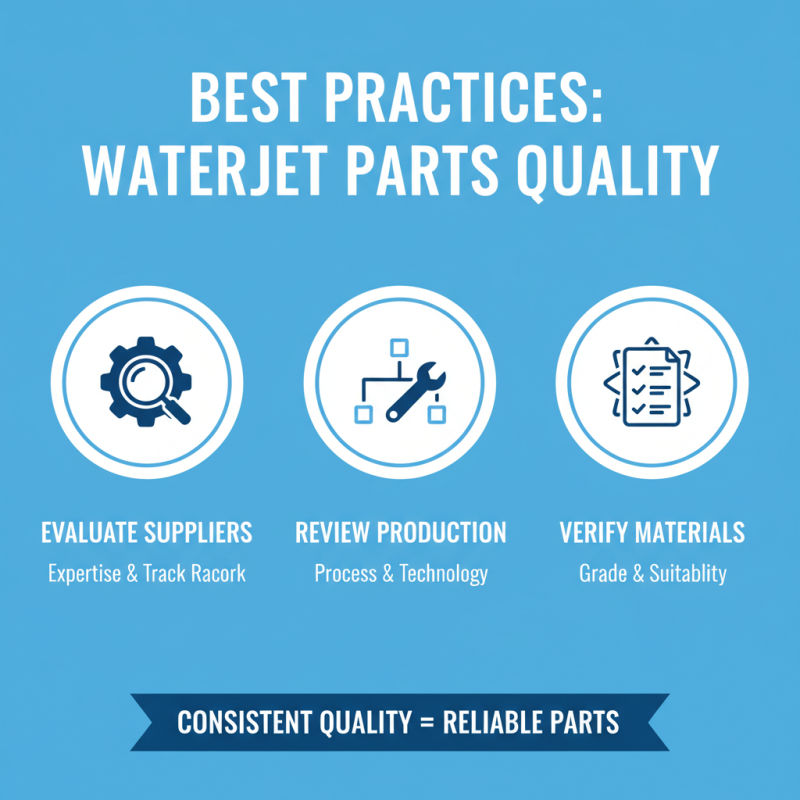
Finding the right suppliers is often a challenge. Not all manufacturers produce parts that meet industry standards. Therefore, it is essential to evaluate vendors carefully. Look for those with a solid reputation. They should demonstrate experience and expertise in waterjet technology. Additionally, consider their quality control measures. Consistent quality directly impacts your project's success.
Understanding specific requirements is equally important. Not all waterjet cutting parts are created equal. Features like material composition and design specifications can vary widely. This complexity makes it imperative to research thoroughly before making purchasing decisions. As you navigate the sourcing process, remember that discerning quality takes time and effort. Engaging with knowledgeable partners can lead to better outcomes in your projects.
Understanding Waterjet Cutting Technology and Its Applications
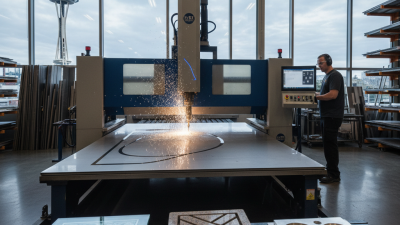
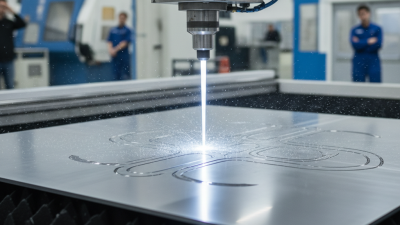
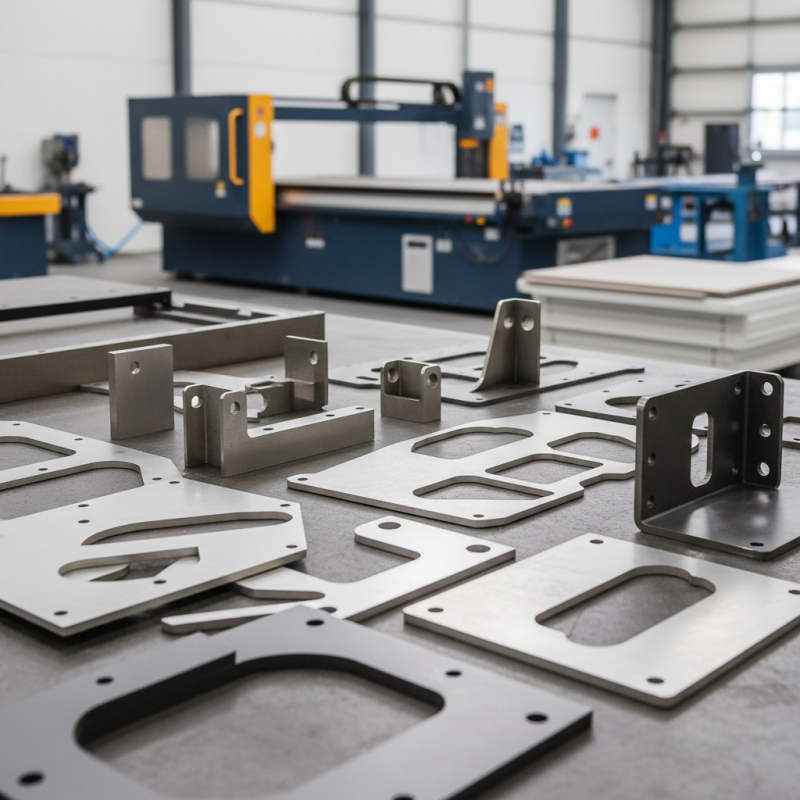
Waterjet cutting technology serves various industries, from aerospace to textiles. It utilizes high-pressure water mixed with abrasive materials to cut metals, plastics, and ceramics precisely. This process minimizes thermal distortion, preserving the integrity of materials. Manufacturers often choose waterjet cutting for its versatility and ability to create intricate designs easily.
Understanding the applications of this technology is crucial. For instance, it excels in cutting thick materials, where traditional methods struggle. Despite its advantages, challenges remain. The initial setup cost can be high, and training staff requires time and resources. Additionally, quality control during the process is essential; even minor errors can lead to significant waste.
Incorporating waterjet cutting into your operations can be transformative. However, it demands careful consideration. Regular maintenance and staff training are necessary to maintain efficiency. Testing different materials and configurations may yield better results. Adapting to this technology involves ongoing learning and reflection.
Identifying Key Specifications for Quality Waterjet Cutting Parts
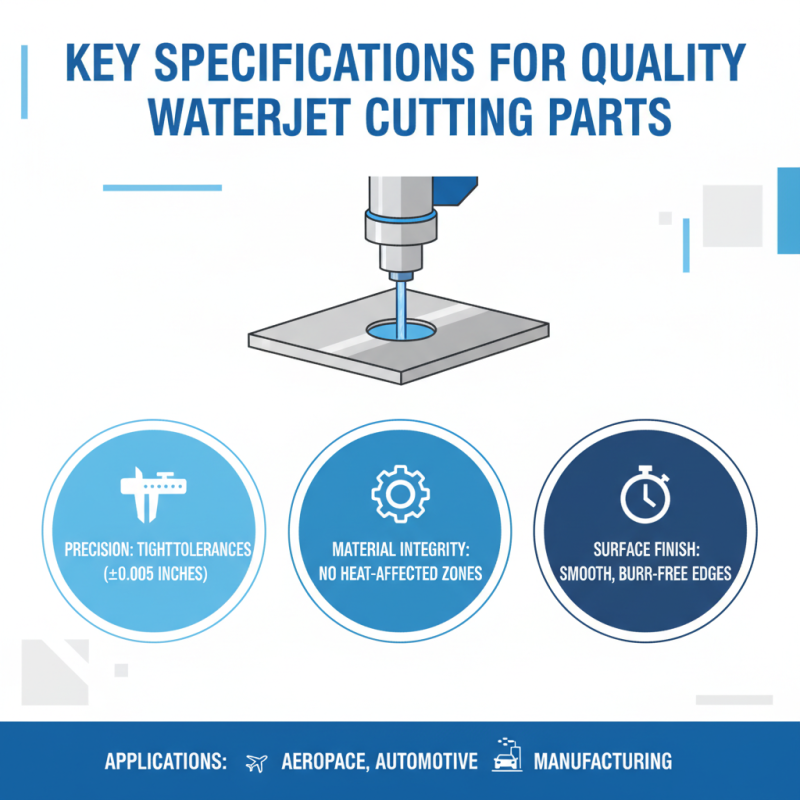
Waterjet cutting technology has become a vital component in various industries, including aerospace, automotive, and manufacturing. When sourcing quality waterjet cutting parts, identifying key specifications is crucial. Precision is one of the pivotal factors. Studies indicate that parts must adhere to tight tolerances, generally within ±0.005 inches, to ensure fit and function.
Material choice affects performance significantly. For instance, hardened steel tends to withstand wear better than softer metals. According to industry reports, 70% of operators prefer parts made from premium materials to minimize downtime and maximize efficiency. This aligns with achieving greater productivity levels in production processes.
Tip: Always request detailed material data sheets from suppliers. These documents provide essential insights into the performance characteristics of the parts.
Another critical aspect is the surface finish of the parts. A smooth finish reduces friction and wear, which is vital for maintaining equipment efficacy over time. Industry findings suggest that parts with a surface roughness (Ra) value below 32 microinches deliver optimal results.
Tip: Evaluate potential suppliers based on their quality assurance processes. This can reveal how rigorously they adhere to specified standards.
While sourcing, consider the supplier’s reputation and experience. Engaging with established suppliers can mitigate risks associated with part quality. Mistakes can lead to costly errors, emphasizing the need for thorough supplier evaluation.
Evaluating Suppliers and Manufacturers for Reliable Parts Sourcing
When sourcing waterjet cutting parts, evaluating suppliers and manufacturers is crucial. Quality assurance is essential for effective sourcing. According to recent industry reports, around 25% of production delays are linked to poor-quality materials. It's vital to choose suppliers known for their reliable standards.
Consider implementing a checklist to assess potential partners. Key factors include certifications, production capabilities, and customer reviews. Industry data suggests that vetted suppliers tend to have a 30% lower defect rate. Engage in discussions with suppliers about their quality control processes. This interaction provides insight into their commitment to excellence.
Don't overlook smaller manufacturers. While they may lack the same reputation as larger ones, they often offer personalized service. Some businesses find that local suppliers may reduce lead times and shipping costs. However, remain cautious—their production capacity might not meet high-demand needs. Don't shy away from asking for samples before committing. Quality should always come before cost.
Cost Analysis: Balancing Quality and Budget in Sourcing Decisions
When sourcing waterjet cutting parts, cost often competes with quality. A recent industry report indicated that quality parts can account for up to 30% of overall production costs. Balancing these factors demands a strategic approach. Companies must assess material quality, manufacturing precision, and supplier reputation carefully. This analysis can illuminate hidden value that may justify higher costs.
Furthermore, data from a leading manufacturing survey showed that firms prioritizing quality over cost experienced up to 25% fewer operational failures. This emphasizes the importance of investing in reliable suppliers. Engaging with multiple vendors can provide insight into pricing structures. However, this process can also be cumbersome, leading to comparison fatigue and analysis paralysis.
Sourcing decisions should integrate holistic evaluations and cost-benefit analyses. Creating a matrix to weigh quality attributes against budget constraints may reveal insightful trade-offs. Companies face the challenge of discerning when to compromise on price in favor of quality that enhances longevity and performance in their applications. Each sourcing decision reflects a complex interplay of necessity, budget limitations, and the quest for excellence.