Top 5 Titanium Waterjet Cutting Techniques You Should Know?
In the realm of precision manufacturing, titanium waterjet cutting shines as a top choice. This technique offers unparalleled accuracy and versatility for various applications. Renowned expert in the field, Dr. Amelia Thompson, emphasizes, "Titanium waterjet cutting allows for intricate designs that traditional methods cannot achieve."
Titanium, known for its strength and lightweight properties, poses challenges in cutting. However, waterjet cutting overcomes these hurdles with its high-pressure streams of water mixed with abrasive materials. This method eliminates heat-induced stress, preserving the metal's integrity.
While many celebrate the advantages of titanium waterjet cutting, challenges remain. Factors such as equipment maintenance and the skill of the operator can influence outcomes. Awareness of these issues is crucial for achieving the best results. Embracing the intricacies of this cutting technique can lead to exceptional, detailed work in various industrial sectors.
Overview of Titanium Waterjet Cutting Techniques
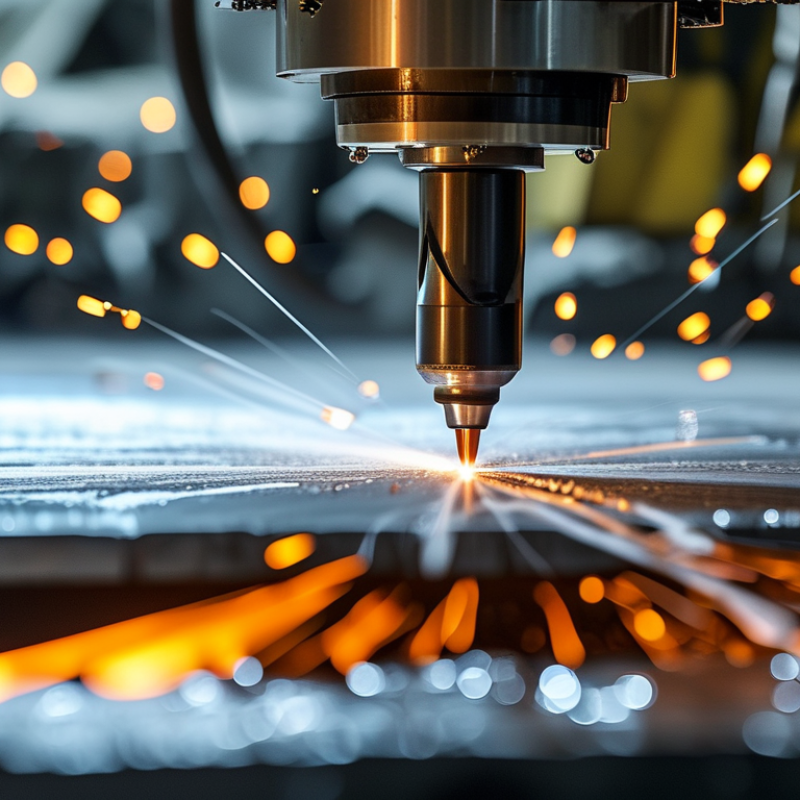
Waterjet cutting is an efficient method for processing titanium. This technique uses high-pressure water mixed with abrasives to slice through tough materials. With titanium’s rising use across industries, understanding waterjet cutting techniques becomes crucial.
Recent reports indicate that 70% of titanium fabricators utilize waterjet cutting methods. This popularity is due to its precision and minimal material wastage. However, not all techniques yield the same results. For thicker materials, utilize the “dual orifice” method for enhanced cutting power. For intricate designs, the "multi-axis" technique allows for complex shapes without compromising structural integrity.
Tip: Always keep your waterjet machine calibrated. A well-maintained machine ensures consistent cut quality. Operators should consider regular training to stay updated on best practices. Remember, even minor errors in setup can lead to material loss.
Despite its advantages, challenges remain. Waterjet cutting can generate heat, potentially altering titanium’s properties. Furthermore, the selection of abrasives significantly influences cut quality. Evaluate different options based on your specific application. Regularly reviewing processes can help identify areas for improvement, ensuring better results over time.
Understanding the Principles of Waterjet Cutting
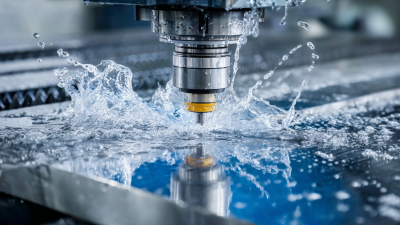
Waterjet cutting is a powerful technology widely used in various industries. Understanding its principles is essential, especially when cutting materials like titanium. A waterjet cutter uses high-pressure water, often mixed with abrasives, to slice through thick materials. This technique offers precision and versatility, making it ideal for complex shapes.
The process starts with a pump that pressurizes water to extreme levels. This pressurized water is then directed through a nozzle, creating a narrow jet. When abrasives are introduced, the jet can easily penetrate harder substances like titanium. The clean edges produced minimize the need for post-processing, which can save time and resources. However, not all waterjet systems are created equal.
While waterjet cutting is efficient, challenges exist. For instance, the setup can be complex, and calibration is critical for maintaining accuracy. Variability in water purity can also affect the cutting quality. Operators need to be skilled, as any miscalculation may lead to wasted materials. Continuous learning is crucial, as advancements in waterjet technology emerge frequently, requiring adaptation and improvement.
Top 5 Titanium Waterjet Cutting Techniques You Should Know
| Technique |
Description |
Advantages |
Applications |
| Abrasive Waterjet Cutting |
Uses a mixture of water and abrasive materials to cut through titanium. |
High precision, can cut thick materials, minimizes heat-affected zones. |
Aerospace components, medical devices, automotive parts. |
| Pure Water Cutting |
Utilizes high-pressure water alone for cutting softer materials and thinner titanium sheets. |
Environmentally friendly, produces no hazardous waste. |
Food processing, creating gaskets, or flexible electronics. |
| Dynamic Waterjet Cutting |
Involves movement of the cutting head to adjust for contouring on curved surfaces. |
Allows for intricate designs and custom shapes. |
Artistic sculptures, custom fittings, complex geometries. |
| Multi-Head Waterjet Cutting |
Uses multiple cutting heads to increase productivity and efficiency in cutting. |
Faster production rates, reduces idle time. |
High-volume manufacturing, repetitive tasks. |
| 5-Axis Waterjet Cutting |
Allows the cutting head to move in multiple directions, providing greater flexibility. |
More complex angles and shapes can be achieved. |
Aerospace components, automotive, and mechanical parts. |
Key Advantages of Using Waterjet for Titanium Processing
Waterjet cutting is a vital technology for processing titanium. The key advantages lie in its precision and versatility. Titanium is known for its strength and lightweight properties. Traditional cutting methods often struggle with these materials. Waterjet cutting, however, uses high-pressure water mixed with abrasives. This technology minimizes heat-affected zones, preventing warping or structural damage.
Industry reports indicate that waterjet technology has an accuracy rate of up to ±0.005 inches. This precision is essential in aerospace and medical applications. These sectors demand flawless cuts for parts that must withstand rigorous performance standards. The ability to cut complex shapes without altering the material's integrity is unmatched.
Tips for maximizing waterjet efficiency include ensuring regular maintenance of equipment. Dull nozzles and worn components can reduce cutting quality. Adjusting water pressure can also make a significant difference. Experiment with abrasive types to find the best fit for your titanium applications. Regular training for operators ensures they are updated on the latest techniques and best practices. Optimizing these factors can lead to remarkable improvements in production efficiency.
Detailed Analysis of the Top 5 Waterjet Cutting Techniques
Waterjet cutting has become a preferred method for titanium processing. Various techniques offer distinct advantages. The top five methods include pure waterjet cutting, abrasive waterjet cutting, 3D waterjet cutting, high-pressure waterjet, and robotic waterjet cutting. Each technique comes with its own set of applications and capabilities. Understanding these is crucial for industry professionals.
Pure waterjet cutting uses just water to cut materials. It's ideal for softer substances. Abrasive waterjet cutting adds garnet, enhancing its effectiveness for titanium. In fact, reports show that abrasive methods can increase cutting speed by up to 30% when used properly. For complex geometries, 3D waterjet cutting provides precision that traditional methods may lack.
High-pressure waterjets operate at pressures exceeding 90,000 psi, making them suitable for heavy-duty tasks. Robotic waterjet cutting adds versatility, allowing for automated and intricate designs.
Despite these advantages, challenges persist. Waterjet cutting can produce a rough edge, necessitating additional finishing processes. Material waste can also be a concern, especially in intricate designs. Industry studies suggest that optimizing cutter paths can reduce waste by up to 20%. Continuous innovation in waterjet technology is essential to overcome these imperfections and improve efficiency.
Best Practices for Effective Waterjet Cutting of Titanium Materials
When cutting titanium materials, precision is essential. Waterjet cutting is a popular method due to its ability to create intricate designs without thermal distortion. To achieve optimal results, certain best practices can enhance the effectiveness of the process.
One critical tip is to maintain the correct water pressure. High pressure allows for cleaner cuts. However, too much pressure may lead to excessive wear on the cutting nozzle. Experimenting with pressure settings can help find the right balance for your specific titanium thickness.
Another important practice involves using the right abrasive material. A suitable abrasive can significantly enhance cutting efficiency and edge quality. Garnet is a common choice for titanium. However, substitutions should be considered based on the job's unique demands and costs involved.
Don’t overlook the importance of regular equipment maintenance. Inspect the waterjet system frequently. Issues like clogged nozzles can lead to imprecise cuts. Addressing these minor problems promptly can save time and improve productivity. Remember, even small adjustments may greatly impact the final outcome.
Top 5 Techniques for Waterjet Cutting Titanium
This chart illustrates the effectiveness of various techniques used in waterjet cutting of titanium materials based on precision, speed, and material thickness.