Top Tips for Choosing the Best Disk Mower for Your Needs?
Choosing the right disk mower can greatly impact your efficiency in maintaining your land. Renowned expert in agricultural machinery, John Harris, famously stated, "The right equipment makes all the difference in your workflow." A suitable disk mower is not just a tool; it’s an investment that offers precision and performance.
Evaluating your specific needs is crucial. You should consider the size of your field and the type of grass you often encounter. A disk mower must align with your operational scale. For instance, a larger field frequently requires a model with greater cutting width and horsepower.
Moreover, it's essential to reflect on reliability. Reading reviews and seeking recommendations can guide your choice. Sometimes, the most popular models may not suit every application. You might find yourself needing a unique feature that a mainstream choice lacks. Taking time to assess options ensures you don’t compromise efficiency and productivity in the long run.
Understanding Different Types of Disk Mowers and Their Functions
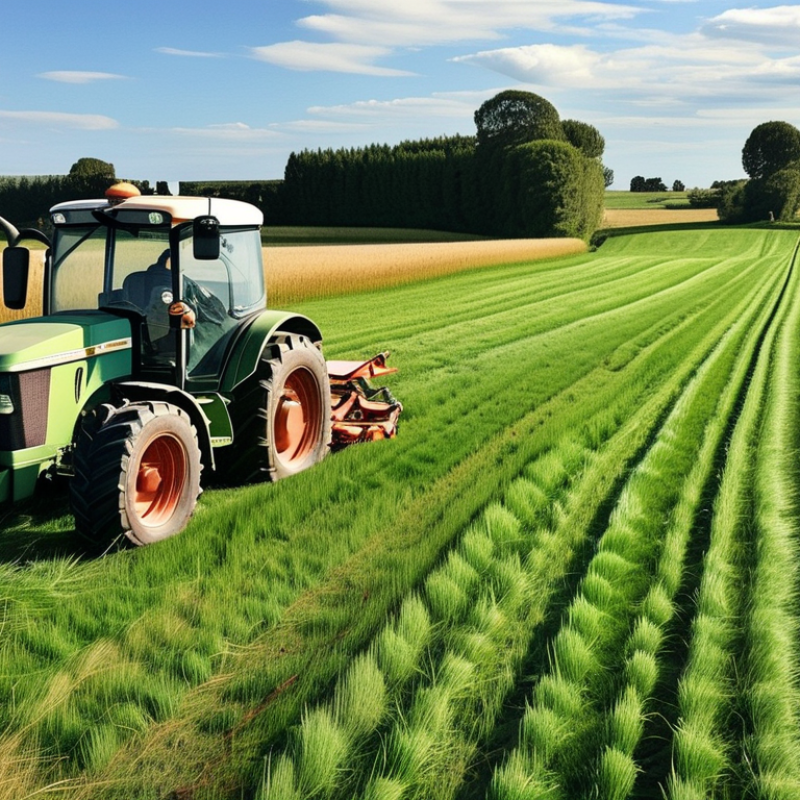
When choosing a disk mower, it's essential to understand the different types available. Disk mowers typically include standard, heavy-duty, and specialty models. Each type serves specific functions based on the terrain and type of grass being cut. A standard disk mower is often suitable for smooth, even surfaces.
Heavy-duty models, however, excel in tougher conditions, like rocky or uneven fields. They provide added durability and strength.
Specialty disk mowers cater to unique needs. For example, some models are designed for wet or marshy areas, featuring wider cutting widths to tackle dense vegetation. These mowers can handle diverse grass types, ensuring efficiency. Selecting the right model hinges on factors like the mower's weight and cutting height adjustment. A lighter mower may be easier to maneuver but might struggle in dense growth.
It's crucial to reflect on the mower's maintenance requirements. Some models may need frequent blade sharpening, while others boast longer-lasting components. Maintenance can affect long-term performance. Many users overlook this aspect, leading to frustration later on. Carefully considering these features will help ensure you choose a disk mower that suits both your needs and working environment effectively.
Evaluating Power Options: Gas vs. Electric Disk Mowers
When it comes to choosing between
gas and
electric disk mowers, understanding your specific needs is crucial.
Gas mowers often provide more power and are generally better suited for larger areas. They can handle thick grasses and uneven terrain more effectively. According to a recent industry report, around 70% of professional landscapers still prefer gas mowers for their reliability and cutting performance.
On the other hand, electric disk mowers have gained popularity due to their eco-friendliness and lower operational costs. For instance, electric models can significantly reduce emissions, making them a better choice for environmentally conscious users. Data shows that electric mowers can result in up to 40% lower running costs over time. Yet, they may lack the same power for tougher jobs, which raises concerns for some users.
Power source also influences maintenance. Gas mowers require regular engine upkeep, including oil changes and spark plug replacements. This can be time-consuming and adds to long-term costs. Electric mowers, however, typically involve simpler maintenance and often just need blade sharpening. Yet, the limited battery life on electric models can be another point of frustration. Users may find themselves needing to pause for recharging, especially during extensive mowing sessions. Balancing power needs with maintenance expectations is key in making the right choice.
Key Features to Look for in a Disk Mower: A Comprehensive Guide
When selecting a disk mower, it's crucial to focus on key features that will enhance your efficiency. Look for durability in construction materials. High-quality steel blades are essential for longevity. Reports indicate that durability can affect maintenance costs by up to 40%. Consider the mower's cutting width, which can dramatically influence productivity. A wider cutting diameter can reduce the time required to mow large areas.
Ease of operation should not be overlooked. A user-friendly design ensures comfort and efficiency during use. Many operators prefer electric start options, as manual starting can become cumbersome over time. Additionally, examine the mower's ability to handle various types of terrain. A disk mower with adjustable cutting height performs better in uneven fields. It’s also advisable to check for features like tilt indicators that assist in achieving optimal cutting angles.
Lastly, safety features are essential. Look for mowers with built-in guards and emergency shut-off systems. These features can prevent accidents and injuries, contributing to safer operation. Reports show that safety incidents can significantly increase downtime, which may lead to financial losses. Keeping these aspects in mind can lead to more effective mowing and a better overall experience.
Assessing Size and Maneuverability for Your Specific Needs
When choosing a disk mower, size and maneuverability are crucial. Assess your yard's dimensions first. A larger mower may seem efficient, but it can be cumbersome in tight spaces. If your property has many obstacles, a smaller model will allow for better navigation. Consider how often you need to make tight turns. It's not just about cutting power; it’s about how well the mower can adapt to your landscape.
Think about your mowing patterns. For open fields, a wider mower can save time. However, in a yard with flower beds and trees, a more compact mower will work best. Weight matters too. Heavier mowers may provide stability but can be harder to handle. Test different weights if possible. Notice how they feel when you maneuver them.
Reflect on your future needs as well. If you plan to expand your lawn or tackle tougher terrains, you might want a mower that can grow with you. Consider attaching accessories that might enhance your mower's functionality. Balancing size and flexibility can lead to thoughtful decisions in your purchase.
Budget Considerations: Finding the Best Value in Disk Mowers
When selecting a disk mower, budget is a key factor. Industry reports indicate that prices for disk mowers range from $5,000 to $15,000. This broad range reflects differences in size, features, and cutting technologies. A more expensive model may have advanced features. However, it might not always translate to higher efficiency for your specific needs.
It's essential to assess how often you'll use the mower. Occasional users may find entry-level models sufficient. Conversely, commercial users typically benefit from investing in more robust machines that offer longevity. Many models are designed for high performance but come with significant maintenance costs. Understanding these expenditures over time is crucial for value assessment.
Consider potential resale value as well. Some models depreciate rapidly, while others maintain their worth better. Researching market trends can provide insight into a model's future value. Balancing initial costs with long-term benefits can be tricky. It's advisable to consult industry reviews and user testimonials to inform your decision. Investing wisely today can save you money tomorrow.
Top Tips for Choosing the Best Disk Mower for Your Needs - Budget Considerations: Finding the Best Value in Disk Mowers
| Feature |
Entry-Level Model |
Mid-Range Model |
High-End Model |
| Price Range |
$1,500 - $2,500 |
$2,500 - $4,000 |
$4,000 - $8,000 |
| Cutting Width |
5 ft |
7 ft |
10 ft |
| Weight |
500 lbs |
750 lbs |
1,200 lbs |
| Horsepower Required |
30 HP |
50 HP |
80 HP |
| Warranty |
1 Year |
2 Years |
3 Years |