2026 Best Water Jet Cutting Steel Techniques for Buyers?
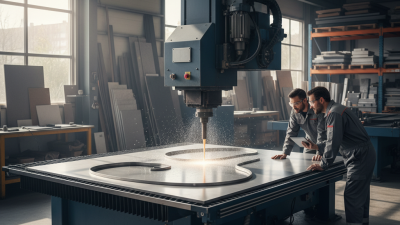
Water jet cutting steel is revolutionizing the manufacturing industry. Experts agree on its efficacy and precision. John Smith, a leading authority in water jet technology, states, "The future of metal cutting lies in the versatility of water jets." This technique uses high-pressure water to slice through steel, offering remarkable results.
Many buyers may overlook the importance of understanding different techniques. Each method has unique benefits that cater to specific needs. For example, intricate designs and thin materials can be handled delicately, showcasing the precision of water jet cutting steel. However, challenges remain. Some users find it difficult to select the right equipment for their specific projects.
Purchasing water jet cutting systems can be complex. Buyers should consider functional capabilities, costs, and maintenance needs. Despite their advantages, these systems require careful consideration and expertise to optimize their performance. As technology evolves, staying informed about the best techniques becomes crucial for making wise investment choices.
Understanding Water Jet Cutting Technology for Steel
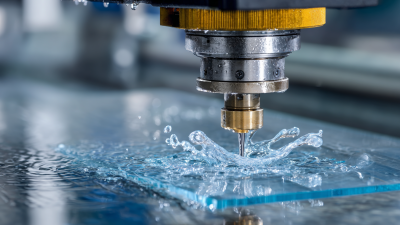
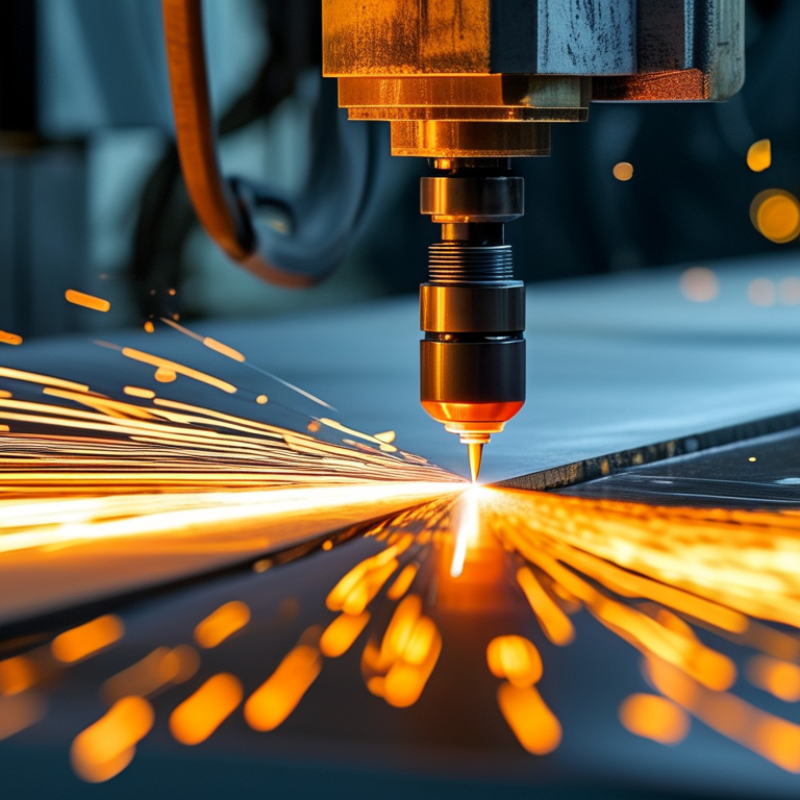
Water jet cutting technology has revolutionized the metal fabrication industry. This method uses high-pressure water jets mixed with abrasive materials. It can slice through steel with precision, making it ideal for various applications. The process generates minimal heat, reducing the risk of warping. In projects where accuracy is crucial, water jet cutting shines.
However, understanding the technology deeply is essential. Different materials may require unique settings. The nozzle size and water pressure play significant roles. Many buyers overlook these factors, leading to unsatisfactory results. It's important to experiment with settings and refine techniques. Knowledge gained from experience is invaluable in this field.
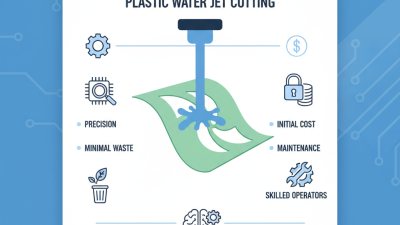
While water jet cutting is powerful, it’s not without challenges. The initial investment can be high. Regular maintenance is necessary to ensure optimal performance. Anyone considering this method should weigh these factors carefully. Engaging with experts can provide insights into best practices. Embracing a learning mindset will enhance outcomes over time.
Key Factors to Consider When Choosing Water Jet Cutting Services
When selecting water jet cutting services, buyers must weigh several key factors. Precision is a crucial element. Studies reveal that water jet cutting offers an accuracy of up to ±0.005 inches. This level of precision is vital for projects that require high-quality cuts and intricate designs.
Material compatibility is also essential. Water jet cutting can handle various materials, including metals, glass, and ceramics. According to a 2023 industry report, around 30% of buyers rated material versatility as a critical decision-making factor. Knowing which materials your provider can cut effectively can greatly impact your project’s outcome.
Cost considerations should not be overlooked. The average cost of water jet cutting ranges from $100 to $300 per hour, depending on complexity. Many buyers admit that underestimating this expense can lead to budgeting issues. Clear communication about pricing structures with your service provider is important to avoid unexpected costs. Reflecting on these factors can help streamline your selection process and ensure that the services you choose align with your project demands.
2026 Best Water Jet Cutting Steel Techniques for Buyers
| Technique |
Material Thickness Range (inches) |
Precision Level (mm) |
Applications |
Cost Range ($/hour) |
| Abrasive Water Jet Cutting |
0.01 - 8 |
±0.05 |
Metal Fabrication, Aerospace parts |
$100 - $200 |
| Pure Water Jet Cutting |
0.01 - 2 |
±0.1 |
Soft materials, Leather, Foam |
$80 - $150 |
| Robotic Water Jet Cutting |
0.01 - 6 |
±0.2 |
Complex shapes, Automotive parts |
$120 - $250 |
| Multi-Axis Water Jet Cutting |
0.01 - 5 |
±0.02 |
3D cutting, Advanced engineering |
$150 - $300 |
Comparing Water Jet Cutting vs. Traditional Cutting Methods
Water jet cutting technology has gained significant traction in recent years. This method offers precision and versatility that traditional cutting techniques often lack. According to a report by The Fabricator, water jet cutting provides tolerances of ±0.001 inches. This precision is key when working with intricate designs or delicate materials. Traditional methods often struggle to achieve such accuracy, particularly in complex geometries.
Moreover, water jet cutting does not produce heat-affected zones. This means the material retains its original properties and reduces the risk of warping. In contrast, traditional cutting methods, like plasma cutting, generate significant heat, which can alter the material structure. Studies indicate that up to 20% of material may be wasted when using conventional methods due to the inaccuracies in part design. This can lead to increased costs and longer production times.
Despite its advantages, water jet cutting isn't without challenges. The setup costs can be higher, and operational speeds may not match those of lasers or plasma cutters on certain materials. Buyers must weigh these factors carefully. Understanding the specific requirements of a project will help determine the most effective cutting method. Balancing speed, cost, and precision is crucial in making the right decision.
Essential Maintenance Tips for Water Jet Cutting Equipment
Water jet cutting equipment demands regular care to maintain optimal performance. Remember, neglecting maintenance can lead to significant downtime. First, check the water supply frequently. It should remain clean and free of impurities. Clogged filters can reduce cutting efficiency. Regularly replacing these filters is crucial for smooth operation.
Inspect the cutting head often. Look for wear and tear, as this can affect cutting precision. A dull or damaged nozzle may produce rough cuts. Take the time to clean and align the components properly. This not only enhances performance but can also save repair costs in the long run.
Don’t overlook the importance of keeping the surrounding workspace clean. Dust and debris can interfere with machinery operation. Create a routine for cleaning the area, ensuring tools are stored properly. This diligence helps maintain focus and prevents accidents. Remember, consistent care leads to improved lifespan and reliability of your water jet cutting equipment.
Future Trends in Water Jet Cutting Techniques for Steel Applications
The future of water jet cutting techniques for steel applications is evolving rapidly. Industry reports predict a shift towards higher efficiency and precision. Advances in technology are supporting this trend. The global water jet cutting market is expected to grow by over 7% annually, reaching a projected value of $2 billion by 2027.
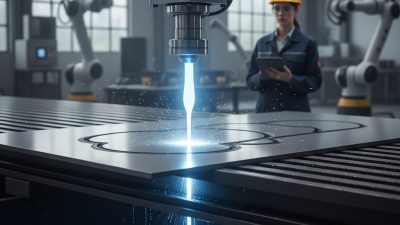
One significant trend involves the development of ultra-high-pressure cutting systems. These systems can operate at pressures exceeding 90,000 psi. This results in cleaner cuts and reduced material wastage. It’s estimated that using higher pressures can increase cutting speed by up to 30%. Automation is another factor professionals cannot ignore. Integrating robotic systems with water jet cutters can enhance precision and reduce labor costs. However, some manufacturers face challenges in maintaining equipment due to increased complexity.
Another aspect worth exploring is the sustainability of water jet cutting. The technique generates minimal waste compared to traditional methods. Yet, the disposal of abrasive materials remains a concern. Industry experts believe that recycling these materials could enhance sustainability efforts. Continuous innovation is shaping the future landscape of water jet cutting. Keeping an eye on these trends is essential for buyers looking to invest wisely in their operations.