What are the Benefits of Water Jet Fabrication for Businesses
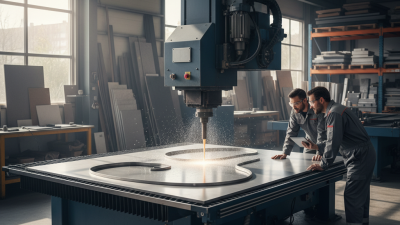
Water jet fabrication is becoming crucial for businesses seeking efficient manufacturing solutions. Experts like Dr. Emily Hart, a leading authority in precision cutting technology, emphasize its importance. "Water jet fabrication opens new possibilities for intricate designs," she states, highlighting its versatility.
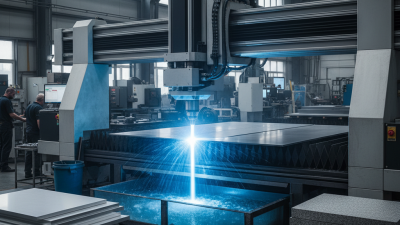
This process utilizes high-pressure water jets to cut materials with precision. It reduces waste significantly, allowing companies to maximize their resources. Moreover, it can work with various materials, from metals to glass, making it highly adaptable. However, not every business may fully understand its potential benefits or implementation challenges.
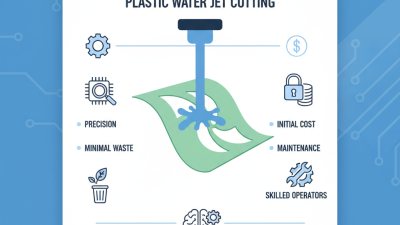
Investing in water jet fabrication can lead to improved productivity. Companies might face initial hurdles, such as high equipment costs. Yet, the long-term advantages, including reduced operational costs and enhanced design capabilities, outweigh these challenges. As businesses evolve, embracing innovative manufacturing techniques like water jet fabrication is essential for staying competitive.
Benefits of Water Jet Fabrication for Businesses
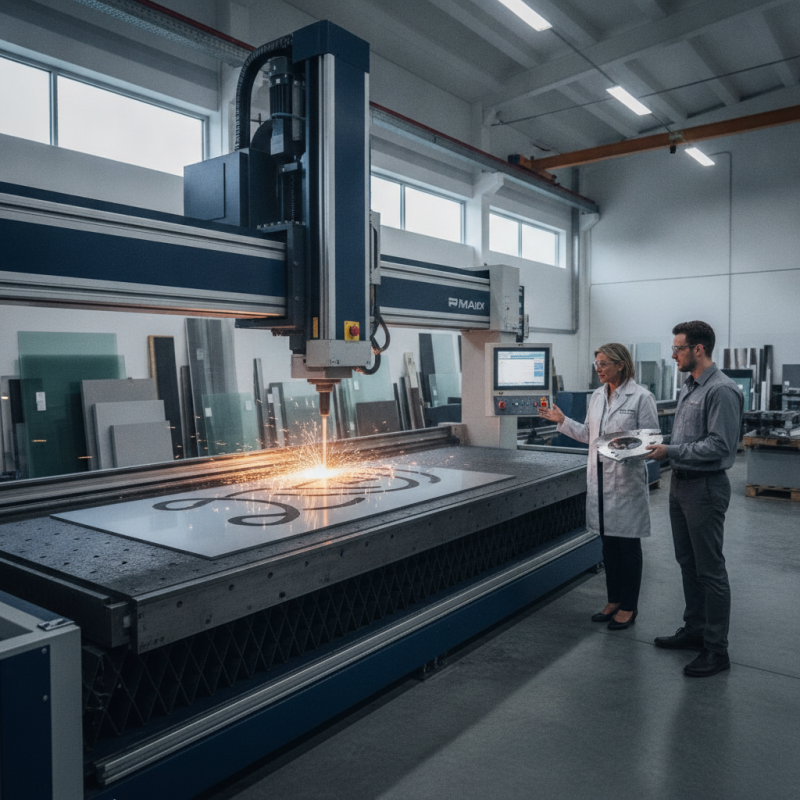
Water jet fabrication is revolutionizing how businesses approach manufacturing. This technology uses high-pressure water jets to cut and shape various materials. It offers unparalleled precision and flexibility. Companies can work with metals, plastics, and composites, enhancing their production capabilities. The versatility means you can tackle a range of projects efficiently.
One notable benefit is the reduced material waste. Traditional cutting methods often result in scraps and unusable materials. Water jet cutting minimizes this waste, making it more sustainable. Companies can save money while also contributing to eco-friendly practices. However, the initial setup costs may be a barrier for some smaller businesses.
Furthermore, water jet fabrication requires less energy than other cutting methods. This aspect can lead to lower operational costs over time. Yet, the maintenance of advanced equipment can demand significant attention. Proper training for staff is crucial to harness the technology's full potential. Balancing the benefits with necessary caution is key for businesses exploring this fabrication approach.
Cost-Effectiveness of Water Jet Technology
Water jet technology is gaining traction in the manufacturing sector due to its cost-effectiveness. This method uses high-pressure water, often mixed with abrasives, to cut various materials. It eliminates many traditional cutting methods that involve expensive equipment and excessive material waste. Businesses can save money on material costs, tooling, and machine upkeep.
The precision of water jet cutting is another crucial factor. It allows for intricate designs without sacrificing quality. This means companies can produce detailed components with minimal errors. However, the initial investment in water jet technology can be daunting. Companies must weigh this against long-term savings. Many find that the lower operational costs justify the upfront expense.
Moreover, water jet fabrication reduces downtime. The quick setup and changeover times can lead to faster production rates. Yet, transitioning to this technology requires training and adjustment. Businesses need skilled operators to maximize efficiency. The learning curve can be steep and might present challenges initially. Nevertheless, the potential savings and efficiency make water jet technology a valuable consideration for modern manufacturers.
Precision and Accuracy in Cutting Materials
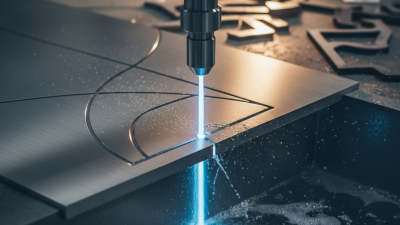
Water jet fabrication offers remarkable precision and accuracy in cutting a variety of materials. This method uses high-pressure water mixed with abrasives to cut through materials like metal, glass, and stone. The result is a clean edge without thermal distortion. Businesses can achieve intricate designs without compromising material integrity.
Accuracy is crucial in industries such as aerospace and automotive. A single error in cutting can lead to costly reworks. Water jet cutting minimizes these issues. The process allows for tight tolerances, enhancing overall product quality. It’s an innovative solution that meets the demands of high-stakes manufacturing.
While water jet fabrication has clear advantages, it’s not without challenges. The complexity of setup can deter some businesses. Maintenance of the equipment requires skilled technicians. These factors may lead to unexpected downtime. Nonetheless, investing in this technology could yield significant returns for businesses focused on precision and detail.
Versatility in Material Types and Thicknesses
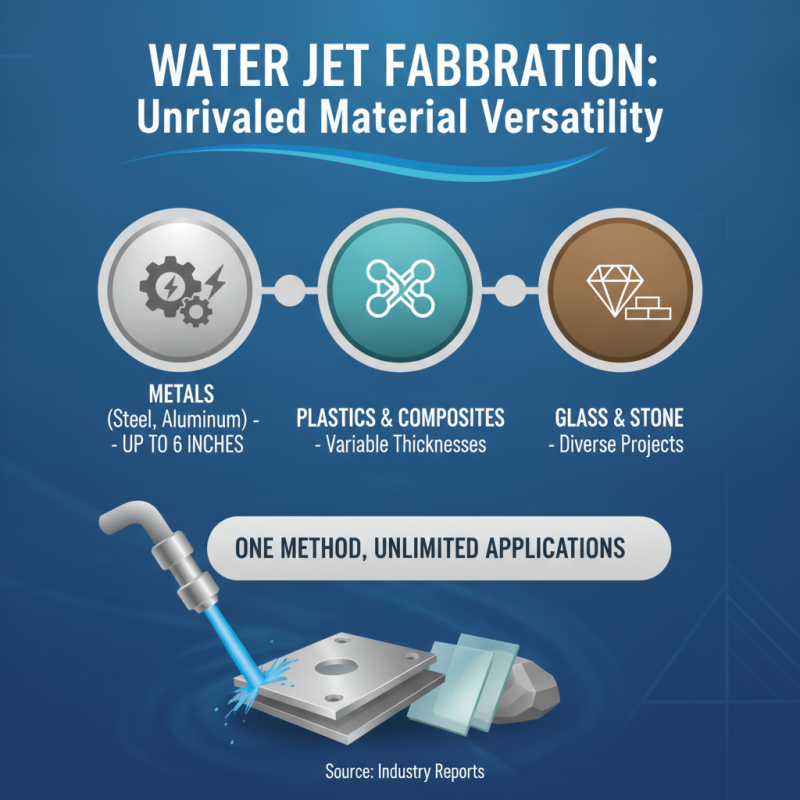
Water jet fabrication presents unique advantages, especially in its versatility concerning various materials and thicknesses. This method can cut through a wide range of materials, including metals, plastics, glass, and stone. According to industry reports, water jet systems can handle thicknesses up to six inches for metals like steel and aluminum. This scope allows businesses to engage in diverse projects without switching fabrication techniques.
The precision offered by water jet cutting also is notable. With accuracy levels of ±0.005 inches, companies can achieve details essential for intricate designs. This feature significantly reduces material waste. A recent study indicates that businesses can save up to 30% on material costs when using this cutting technique. The efficiency of cutting through thick and thin materials opens new markets for many organizations, presenting both opportunities and challenges.
However, adapting to the versatility of water jet fabrication requires careful consideration. Companies must invest in training to ensure operators can maximize the technology's capabilities. Understanding the nuances of different materials is critical. Not all materials react the same way under water jet cutting, which may lead to unexpected results. Organizations should prioritize continuous learning and improvement in this rapidly evolving field.
Reduction of Waste and Environmental Impact
Water jet fabrication is revolutionizing the manufacturing sector. It offers an eco-friendly approach to cutting materials. This method significantly reduces waste compared to traditional techniques. By using high-pressure water jets, businesses can achieve precision cuts. The reduced waste means less scrap material to dispose of. Companies can save on disposal fees as well.
Environmental impact is a crucial concern for modern businesses. Water jet technology uses no harmful chemicals during the cutting process. This minimizes pollution and protects workers’ health. Additionally, the process often requires less energy than alternative methods. Less energy consumption leads to a smaller carbon footprint. Businesses can become more sustainable while maintaining productivity.
Despite these benefits, challenges remain. Some industries may find the initial investment high. Training staff to operate water jet systems can be costly. Business owners must weigh these factors carefully. However, the long-term savings and environmental benefits may outweigh the drawbacks. Adopting this technology could lead to a more sustainable future for manufacturing.
Benefits of Water Jet Fabrication for Businesses
The chart below illustrates the reduction of waste and environmental impact achieved through water jet fabrication methods compared to traditional fabrication methods. The data highlights the percentage reduction in waste produced and the improvement in energy efficiency.
Conclusion
Water jet fabrication offers numerous advantages for businesses looking to enhance their manufacturing processes. One of the primary benefits is its cost-effectiveness, as this technology reduces material waste and minimizes operational expenses. The precision and accuracy of water jet cutting ensure that intricate designs and configurations can be achieved with minimal error, which is essential for maintaining high-quality standards.
Additionally, water jet fabrication is highly versatile, capable of cutting a wide range of materials, including metals, composites, and plastics, regardless of their thickness. This adaptability not only streamlines production but also accelerates turnaround times, boosting overall efficiency. Furthermore, this method is environmentally friendly, as it reduces waste and often requires less energy. Overall, implementing water jet fabrication can lead to significant improvements in production efficiency and cost savings for businesses.