Top Benefits of Water Jet Abrasive for Efficient Cutting?
Water jet abrasive cutting has become an essential technology in various industries. Experts attest to its efficiency and versatility in cutting materials. John Smith, a renowned expert in the water jet abrasive field, once said, "Water jet abrasive not only cuts materials with precision but also minimizes waste and energy use." His insights underscore the sustainable potential of this technology.
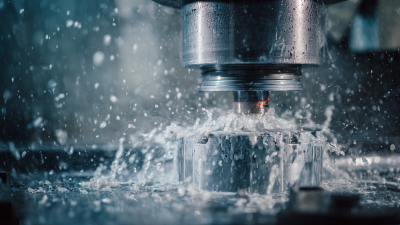
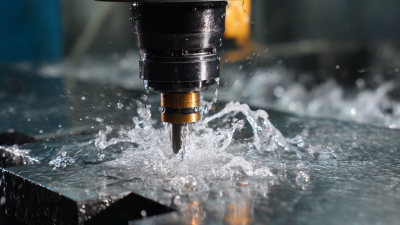
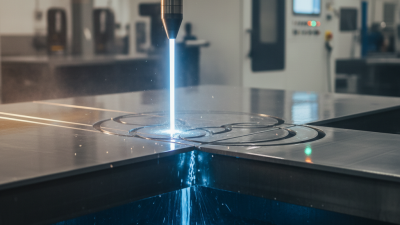
The process utilizes highly pressurized water mixed with abrasives to achieve clean and accurate cuts. Industries ranging from aerospace to medical manufacturing benefit from water jet cutting. The ability to cut a wide variety of materials is invaluable. For instance, it can easily slice through metals, glass, and ceramics without compromising the integrity of the material.
However, despite the numerous advantages, challenges remain. Some users may struggle with the initial setup costs and maintenance. Understanding the intricacies of water jet abrasive systems requires time and expertise. As the technology evolves, continuous education and adaptation are vital for businesses aiming to leverage its benefits fully. Embracing these advancements can lead to a more efficient, sustainable future in manufacturing.
Understanding Water Jet Abrasive Cutting Technology
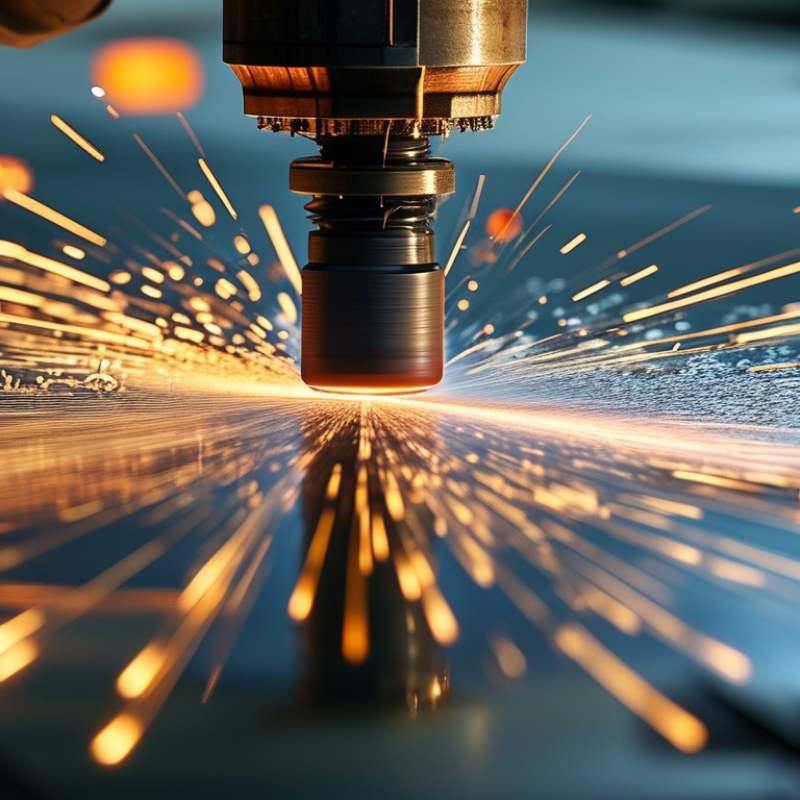
Water jet abrasive cutting technology has revolutionized the manufacturing landscape. This method uses a high-pressure stream of water mixed with abrasive particles to slice through various materials. The precision offered by water jet cutting is remarkable. It can cut metals, glass, and even stone with clean edges. The absence of heat in this process prevents any thermal distortion, which is crucial for maintaining the integrity of delicate materials.
Understanding the mechanics behind water jet abrasive cutting is essential. It employs a dynamic process where a focused jet erodes material with minimal waste. This efficiency can lead to significant cost savings in production. However, it requires skilled operators to achieve optimal results. Proper training is needed to maximize the technology’s potential. Without this expertise, the results can be inconsistent and unsatisfactory.
What stands out is the environmental aspect of this technology. Using water as a cutting medium minimizes harmful emissions. However, the use of abrasive materials raises some eco-friendly concerns. Striking a balance between efficiency and sustainability should be a priority for the industry. This ongoing challenge invites reflection and improvement in water jet abrasive cutting practices.
Top Benefits of Water Jet Abrasive Cutting Technology
This bar chart illustrates the top benefits of Water Jet Abrasive Cutting Technology, rated on a scale of 1 to 10. The technology is acclaimed for its precision cutting and versatility while maintaining minimal material waste and ensuring no heat affected zones.
The Mechanism of Water Jet Abrasive Cutting
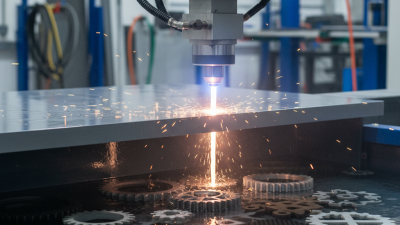
Water jet abrasive cutting operates through a combination of high-pressure water and abrasive materials. This method effectively slices through various materials, including metal, glass, and stone. The introduction of abrasive particles amplifies the cutting power. Research indicates that water jet cutting can operate at pressures exceeding 90,000 psi, making it highly efficient in industrial settings.
The mechanism relies on a focused water stream. This stream, mixed with abrasives like garnet, creates a powerful jet. The cutting precision is impressive, often achieving tolerances of 0.005 inches. However, the process does have limitations. For instance, thicker materials encounter longer cutting times. Studies show that while water jet cutting is versatile, it may not be the best option for all applications.
Additionally, the environmental impact of water jet cutting is a factor to consider. Although it produces minimal waste, the need for proper abrasive disposal can pose challenges. Experts suggest that ongoing innovations in this field may lead to improved efficiency and reduced environmental footprint. Revisiting operational parameters can help refine outcomes and reduce resource consumption, emphasizing the need for continuous improvement in this technology.
Key Advantages of Water Jet Abrasive in Various Industries
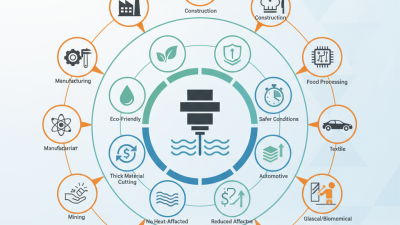
Water jet abrasive cutting technology is transforming multiple industries. From aerospace to automotive manufacturing, its impact is notable. The precision of water jet cutting allows for intricate designs and shapes that traditional methods struggle to achieve. This technology utilizes high-pressure water mixed with abrasives to slice through materials with exceptional accuracy. It minimizes waste, making it an environmentally friendly option.
In the construction sector, water jet cutting offers versatility. It efficiently cuts through concrete, stone, and metals without causing heat-affected zones. This feature protects properties and ensures structural integrity. However, some challenges exist. The equipment can be costly, and operational training is essential. Not all materials respond well to this method, leading to potential project delays.
The food industry also benefits from water jet cutting. It allows for precise cuts without contamination, preserving the quality of the product. Additionally, the reduction of waste is a key advantage in this field. Nevertheless, maintenance of the machinery can be demanding. Operators must ensure that everything runs smoothly to avoid costly downtime. Each industry must assess whether the benefits outweigh the challenges, keeping efficiency and quality in mind.
Comparative Analysis: Water Jet vs. Traditional Cutting Methods
Water jet cutting and traditional methods differ significantly in their approach. Water jet cutting utilizes high-pressure water mixed with abrasive materials, allowing for precise cuts. This method is versatile, suitable for metals, glass, and even ceramics. Unlike traditional techniques, which often produce heat, water jet cutting minimizes thermal distortion. This is crucial for materials sensitive to temperature changes.
In contrast, traditional cutting methods like laser or plasma rely on heat to achieve cuts. These methods can warp materials and produce rough edges. Moreover, they often require post-processing to improve finish quality. The wear and tear on tools in traditional cutting is another drawback. Constant maintenance can increase operational costs over time.
Water jet’s environmental impact is worth consideration. It produces no harmful gases, making it safer for work environments. Still, the high water consumption raises questions about sustainability in certain scenarios. Companies must weigh these factors when choosing a cutting method. Balancing efficiency with environmental responsibility is vital in today's manufacturing landscape.
Environmental Impact and Safety of Water Jet Abrasive Cutting
Water jet abrasive cutting is gaining popularity, not just for its efficiency, but also for its environmental impact. This cutting method utilizes high-pressure water combined with abrasives, which minimizes waste and energy consumption. The process generates minimal thermal shock, reducing the risk of altering the material properties. Additionally, it does not produce harmful gases or vapors, contributing to cleaner air and a healthier work environment.
Safety is another critical aspect of water jet abrasive cutting. The process is much safer than traditional methods, as it does not involve high-temperature flames or toxic chemicals. Workers are less exposed to hazardous materials while operating water jet machines. However, there are still concerns. The high-pressure water can cause severe injuries if not handled properly. Training and safety protocols are essential to mitigate these risks. Despite its advantages, companies need to reflect on the potential for misuse and ensure proper safety measures are in place. Implementing effective training can enhance the benefits while minimizing dangers.
Top Benefits of Water Jet Abrasive for Efficient Cutting
| Benefit |
Description |
Environmental Impact |
Safety |
| Precision Cutting |
Achieves high accuracy with minimal kerf loss. |
Generates less waste compared to traditional cutting methods. |
Low risk of burns or other injuries from heat, as no heat is generated. |
| Versatility |
Can cut a variety of materials including metal, glass, and stone. |
Reduction in other hazardous materials by utilizing water as a coolant. |
Minimal exposure to sharp debris during cutting process. |
| Minimal Material Stretch |
Maintains material integrity without distortion. |
Lower carbon footprint as less material may need to be replaced. |
Decreased noise levels compared to traditional cutting methods. |
| Environmentally Friendly |
Uses water and abrasives without harmful chemicals. |
Low emissions and minimal environmental contamination. |
Fewer safety risks associated with chemical exposure. |