How to Choose the Right Water Jet Head for Your Needs?
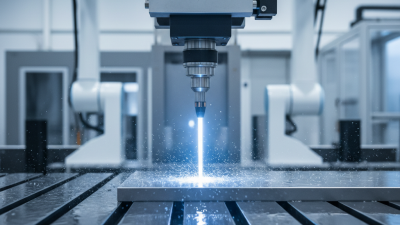
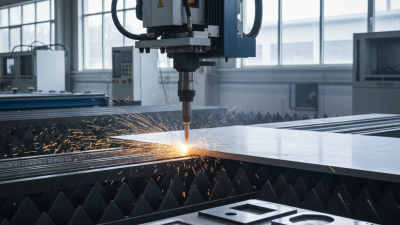
Choosing the right water jet head is crucial for optimal performance in various applications. This decision can greatly impact efficiency and effectiveness. A water jet head serves as the centerpiece in many cutting and cleaning systems. However, not all water jet heads are created equal.
When evaluating options, consider the specific tasks at hand. Different materials and thicknesses require distinct water jet head capabilities. It's easy to underestimate the importance of proper selection. Some may choose based solely on price, but this might lead to future complications. Quality and compatibility often outweigh initial cost savings.
Understanding the technical specifications is vital. A professional's insight can be invaluable in making an informed choice. Misalignment with your needs can result in frustration and inefficiencies. Ultimately, selecting the appropriate water jet head is not just about immediate tasks but also about long-term investment.
Understanding the Different Types of Water Jet Heads Available
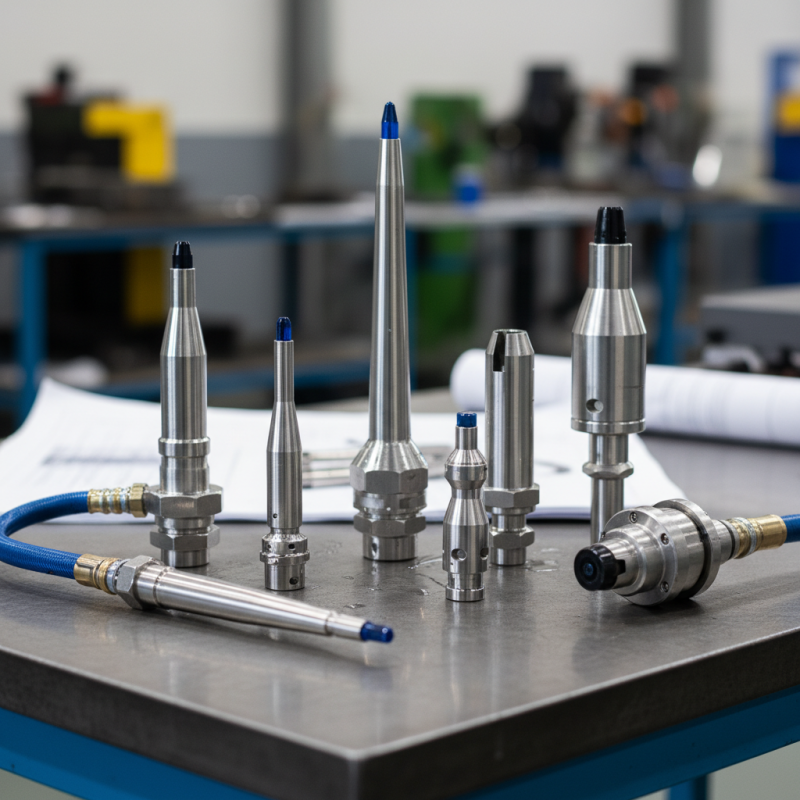
When selecting a water jet head, understanding the types available is crucial.
Water jet heads vary in design, pressure, and intended use. For instance, some heads are optimized for
cutting hard materials, while others excel at cleaning surfaces.
Knowing your specific needs helps narrow down the options effectively.
Consider the type of project you’re working on. Are you cutting, cleaning, or
preparing a surface? Each task requires a different kind of water jet head. Some heads offer adjustable
pressure settings, which can be beneficial. This feature allows users to adapt the tool for lighter tasks
or heavy-duty jobs.
Tips: Always evaluate the material you’ll be working with. This will influence your
choice of head. If unsure, consulting an expert in water jet technology can provide invaluable insights.
Additionally, experiment with different heads on test materials first. This hands-on approach can reveal
the most suitable option for your needs. Don’t hesitate to ask for demonstrations before making a committed purchase.
Assessing Your Specific Cutting Needs and Applications
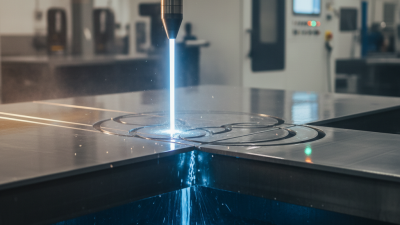
Choosing the right water jet head is crucial for effective cutting. Assessing your specific cutting needs is the first step. Consider the materials you will cut. Different materials require different pressures and nozzle sizes. For example, softer materials like rubber may not need as much force. In contrast, cutting through metal demands high pressure and precision.
Next, think about the thickness of the materials. Water jet technology can efficiently cut through various thicknesses, but not all heads perform the same. Some heads are better suited for thick materials, while others excel with thinner options. This decision can impact the cut’s quality and speed.
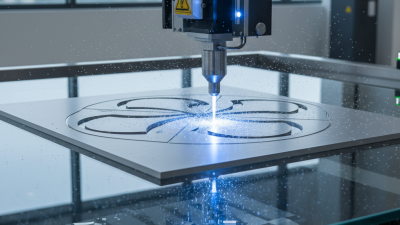
Additionally, applications matter. Are you creating intricate designs or straight cuts? Your cutting style influences the choice of head. Reflect on previous cutting experiences. Did you encounter any issues? Understanding these challenges can guide you in selecting the right head. Remember, it's not just about a particular head but about how it fits your unique requirements.
How to Choose the Right Water Jet Head for Your Needs?
Evaluating Material Compatibility for Your Water Jet Head
When selecting a water jet head, evaluating material compatibility is crucial. Various materials interact differently with water jet cutting. Common materials include steel, aluminum, and glass. For example, stainless steel is often chosen for its resistance to corrosion and flexibility. A report by the International Water Jetting Association stated that more than 70% of firms prioritize material compatibility in their projects.
Consider the type of nozzle you will use. Some materials require specific nozzle types to achieve optimal results. For instance, high-pressure abrasive water jet heads perform well with harder materials like granite. However, they may not be suitable for delicate applications. Each material’s hardness and brittleness impact the performance of the water jet head.
**Tip:** Always consult with industry professionals about your specific materials. Their expertise can save time and reduce costs.
Keep in mind that not every water jet head is universally compatible. Sometimes, you might need to experiment with different types. This process can be time-consuming, yet it is essential for achieving the best cutting results. Revisiting past projects can provide insights into what worked and what didn’t. This reflection can guide future decisions in material selection and water jet head compatibility.
How to Choose the Right Water Jet Head for Your Needs? - Evaluating Material Compatibility for Your Water Jet Head
| Material Type |
Compatibility Rating |
Recommended Applications |
Typical Wear Rate (mm/hr) |
Cost per Unit |
| Steel |
High |
Cutting metals, thick materials |
0.01 |
$50 |
| Ceramic |
Medium |
Cutting soft materials, glass |
0.02 |
$75 |
| Tungsten Carbide |
Very High |
High-precision cutting, abrasive materials |
0.005 |
$150 |
| Plastic |
Low |
Light materials, prototypes |
0.03 |
$20 |
| Aluminum |
Medium-High |
Machining components, automotive |
0.015 |
$40 |
Key Features to Consider When Selecting a Water Jet Head
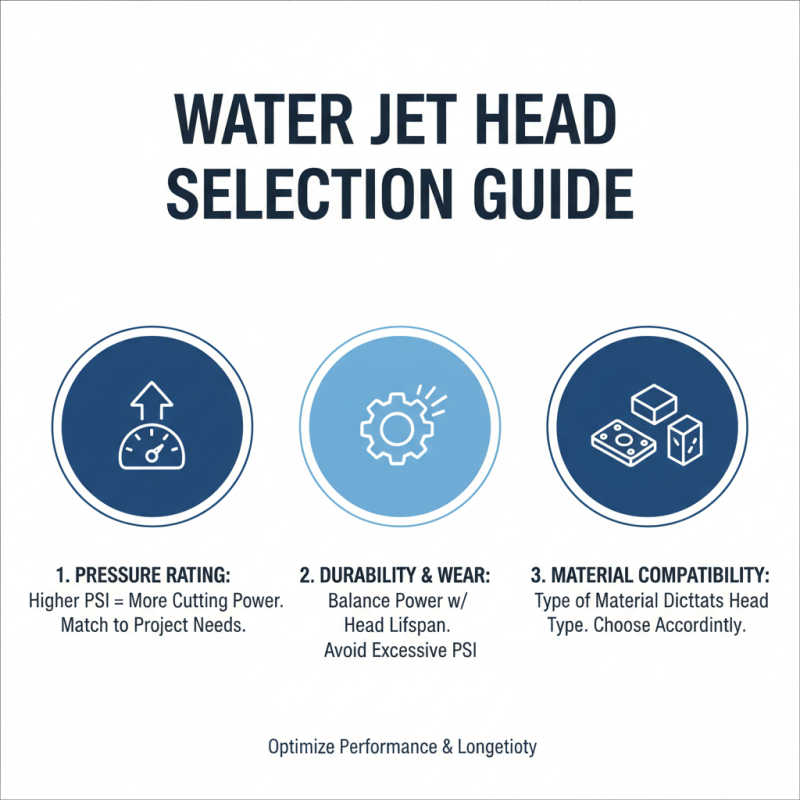
When selecting a water jet head, several key features warrant your attention. The pressure rating is vital, as higher pressure means more cutting power. However, excessive pressure can lead to wear and tear. Thus, understanding your specific project needs is essential. A head designed for lighter tasks may not withstand the demands of more robust applications. Identify what materials you will be cutting, and choose accordingly.
Another consideration is the orifice size. A larger orifice may increase flow but can reduce the precision of the cut. If precision is your priority, smaller orifice diameters may offer cleaner results, despite the slower cutting speed. Also, consider the material of the jet head itself. Metals offer durability but can add weight. Heavy heads may be harder to maneuver, which can affect the accuracy of cuts.
Lastly, examine any extra attachments or features. Some water jet heads come equipped with customizable options for varied applications. These can enhance versatility but may complicate maintenance. Reflect on your long-term goals and resources. Investing in a versatile but user-friendly water jet head can yield better results over time. Your choice should align with both current needs and potential future uses.
Cost-Benefit Analysis of Various Water Jet Head Options
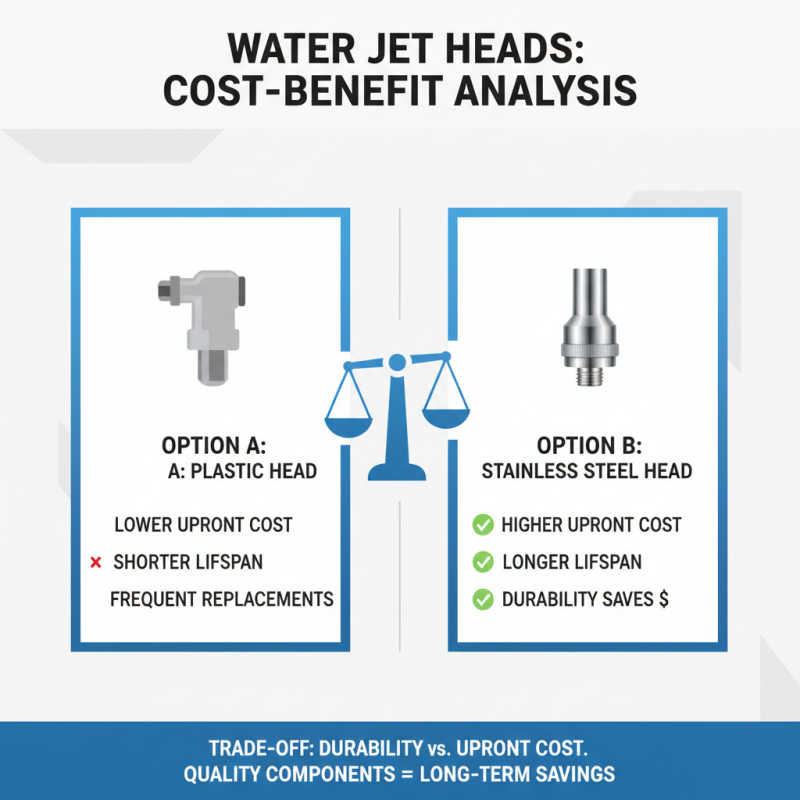
When evaluating water jet heads, a cost-benefit analysis is essential. Think about the materials used in construction. Higher quality components often lead to better performance but might come with a steeper price. This is a trade-off between durability and upfront costs. For instance, a stainless steel water jet head may last longer than a plastic one, saving money on replacements in the long run.
Consider the specific tasks you need to accomplish. Different water jet heads have unique features tailored for various applications. A more specialized head may cost more, yet it could enhance efficiency. Take a moment to reflect on whether the potential increase in productivity justifies the higher price. Not all features may be relevant to your needs. Investing in unnecessary functionality may lead to wasted resources.
Lastly, don’t overlook maintenance costs. Some heads require frequent servicing, adding to overall expenses. A simplistic design might seem cheaper initially but could lead to higher long-term costs. Weigh these aspects carefully. It's about striking a balance between initial investments and ongoing expenses. The right choice ultimately hinges on your specific requirements and budget constraints.