

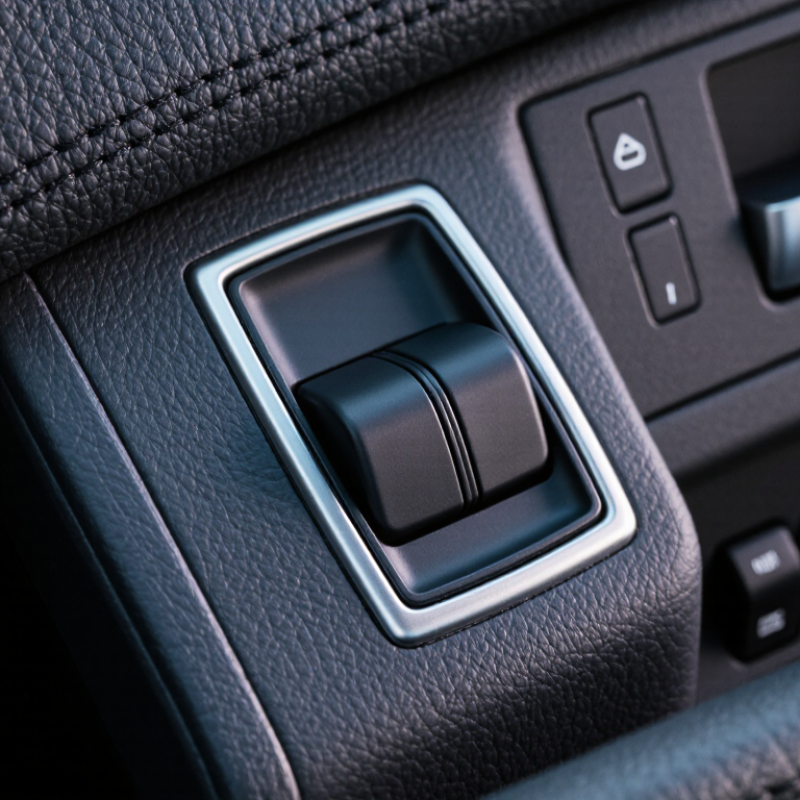
An automotive door lock switch now does more than trigger a mechanical latch. It communicates with the vehicle through the Controller Area Network, or CAN bus. When a driver presses the switch, it sends a digital message to the body control module. The module checks that message before commanding the door actuators. This process supports faster responses and cleaner wiring. It also allows the vehicle to monitor lock status across several doors.
CAN bus integration makes diagnosis more practical. A technician can connect a scan tool and check whether the switch sent a valid command. If one rear door stays locked, stored fault data may reveal a communication error, actuator problem, or wiring issue. This is more precise than replacing parts by guesswork. In service bays, that distinction saves time and prevents unnecessary repairs.
However, diagnostic codes are clues, not final answers. A weak connector can produce an intermittent signal that disappears during inspection.
Reliable switch design still depends on physical quality. The housing should resist dust, moisture, temperature changes, and repeated finger pressure. Connectors need secure terminals and proper sealing. The CAN network also requires correct wiring and termination. A damaged node may affect more than one door.
It is not perfect. Poor calibration, corrosion, or software conflicts can still cause delays. Careful testing after installation remains essential, especially when the switch feels normal but the lock response is inconsistent.