Why Choose a Die Cutting Machine for Your Business?
Why Choose a Die Cutting Machine for Your Business?
Packaging buyers now expect sharper detail, faster delivery, and less material waste. Smithers’ Future of Global Packaging to 2028 identifies automation, sustainability, and shorter production runs as major industry pressures. PMMI’s recent packaging reports also highlight labor shortages and the growing need for flexible automation. These trends make a Die Cutting Machine more than a production asset. It can become a practical response to daily operating problems.
A modern Die Cutting Machine can cut cartons, labels, foam, and protective inserts with repeatable accuracy. Picture a rotary die pressing clean edges into coated board at production speed. Less manual trimming can reduce handling time. Digital controls can also support quicker job changes, especially for varied orders. Jean-Pascal Bobst, a recognized converting-industry leader, often stresses that technology must create measurable customer value. That principle matters here. Speed alone is not enough.
The decision still requires discipline. A machine cannot repair poor artwork, weak maintenance, or unrealistic production planning. Energy use, tooling costs, operator training, and after-sales support deserve careful review. Sometimes, outsourcing remains the wiser choice. That is easy to overlook.
Businesses should compare actual job volumes, substrate thicknesses, changeover times, and required tolerances before investing. Research from Grand View Research and other market analysts indicates continued growth in automated packaging equipment, but market growth does not guarantee individual success. The best choice depends on fit. A well-matched Die Cutting Machine can improve consistency, reduce repetitive labor, and strengthen delivery reliability. An unsuitable model may simply make expensive mistakes faster.
What a Die Cutting Machine Does and How It Works
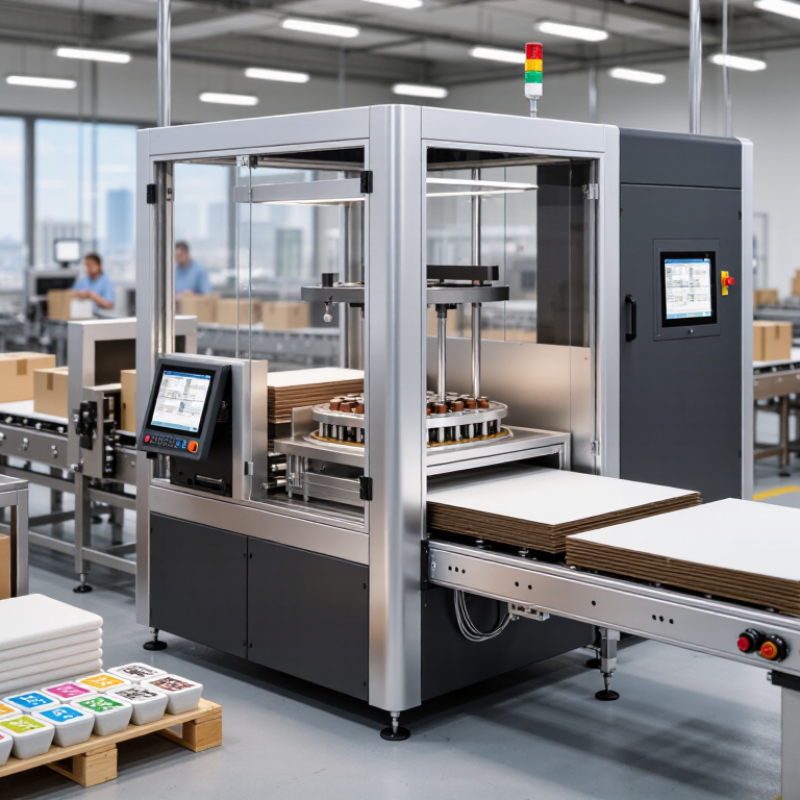
A die cutting machine shapes materials with a custom-made die. The die works like a sharp template. It presses through paper, cardboard, foam, labels, or thin plastic sheets. Depending on the machine, the material moves under a flat platen or rotates through cylinders. Pressure then creates a clean cut, crease, perforation, or embossing effect.
The process begins with artwork and a physical die design. Operators place the material on the cutting bed and align registration marks. The machine applies controlled pressure across the surface. Too little pressure leaves incomplete cuts. Too much pressure can crush edges or damage the backing sheet. Accurate setup matters more than many beginners expect. Material thickness, grain direction, and die sharpness all affect the result. Small alignment errors can become costly during long production runs.
Tips: Test a small batch first. Check corners, narrow details, and waste removal by hand. Keep the die clean and inspect its cutting rule regularly. A simple pressure record can improve repeatability. Still, die cutting is not automatic perfection. Complex shapes may need slower speeds, extra stripping steps, or redesigned artwork. Careful inspection remains essential, especially when the finished piece must fit another component.
How Die Cutting Improves Speed, Accuracy, and Production Consistency
A die cutting machine can turn repetitive cutting into a controlled production process. In daily operations, this often means faster output and fewer manual handling steps. A properly adjusted die follows the same shape on every sheet. Edges look cleaner. Waste can also decrease when layouts are planned carefully.
Speed matters, but consistency matters more. During a production trial, operators can compare cutting times, dimensions, and rejected pieces. Digital or physical gauges help confirm accuracy. Material thickness, blade condition, pressure, and alignment all affect the result. Small changes can create visible defects. That detail is easy to miss.
It is not magic.
Experienced operators usually inspect the first pieces before starting a full run. They check corners, holes, creases, and registration against approved measurements. Regular cleaning and scheduled tooling checks support stable performance. A machine may cut quickly, yet poor setup can repeat the same mistake hundreds of times. I have seen this happen. The lesson is uncomfortable but useful: automation improves consistency only when the process is measured and maintained. Records of settings, material batches, and inspection results make future production easier to control. Even then, every new material deserves a cautious test.
What Business Costs and Efficiency Gains to Evaluate
Why Choose a Die Cutting Machine for Your Business?
What Business Costs and Efficiency Gains to Evaluate
A die cutting machine can change production economics, but the purchase price tells only part of the story. Evaluate tooling, electricity, maintenance, operator training, and floor space before comparing suppliers. A machine that costs less may require more manual setup. That difference can quietly reduce profit.
Measure your current process for two weeks. Record cutting time, material waste, rejected pieces, and overtime hours. Then compare those figures with the machine’s expected output. For example, reducing setup time from 25 minutes to 10 minutes may create several additional production hours each week. Fewer handling steps can also reduce inconsistent cuts and rework.
Labor savings matter, but they need careful testing. One operator may manage a steady workflow, yet complex materials can require closer supervision. Ask for production samples using your actual materials and designs. Check cut accuracy, changeover time, noise, and cleaning requirements. Maintenance is easy to underestimate. A worn blade or poorly adjusted pressure setting can stop production at an inconvenient moment.
Our first cost estimate was too optimistic. We overlooked training time and replacement tooling. That mistake is worth remembering. Build a three-year calculation that includes downtime, repairs, consumables, and financing costs. Compare the projected payback with realistic order volumes, not ideal forecasts. Efficiency is valuable only when the machine stays useful during ordinary, imperfect working days.
How to Select the Right Die Cutting Machine for Your Needs
Choosing the right die cutting machine starts with your actual production pattern, not a glossy specification sheet. The machine should match material thickness, sheet size, cutting speed, and daily order volume. MarketsandMarkets estimates the global die cutting machine market could grow from about USD 1.9 billion in 2023 to USD 2.4 billion by 2028. That growth reflects wider demand for efficient packaging and converting operations.
Measure your busiest week. Then measure the awkward jobs. A machine rated for 8,000 sheets per hour may perform poorly with thick board, laminated stock, or intricate shapes. Check maximum die dimensions, pressure capacity, setup time, waste removal, and operator access. Smithers’ packaging research projects continued global packaging growth through 2028, but rising volume does not guarantee better margins. A fast machine can still lose money when tooling changes take too long.
Consider automation carefully. Automatic feeding and stripping can reduce repetitive labor, yet they may increase maintenance demands and training time. Ask for running samples using your own material. Inspect edge quality under bright light, especially around small corners and perforations. Request verified energy consumption, service response times, spare-part availability, and safety documentation. These details are less exciting.
A practical calculation should include tooling, electricity, downtime, labor, and rejected sheets. I would not trust a payback estimate based only on maximum speed. It is often too optimistic. Begin with measured production data, then compare two or three machine configurations with the same workload. The cheapest option may not be the least expensive choice.