What is Waterjet Cutting and its Benefits in Utah?
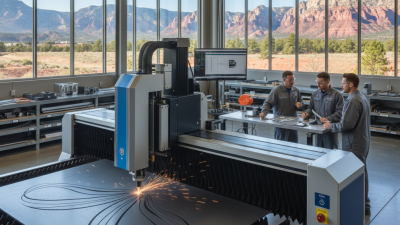
Waterjet cutting has transformed industries across Utah, providing precision and versatility. Expert Mark Johnson from Precision Cut Solutions notes, "Waterjet cutting allows for intricate designs without damaging materials." This process uses high-pressure water to cut through various materials. It maintains the integrity of both hard and soft substrates.
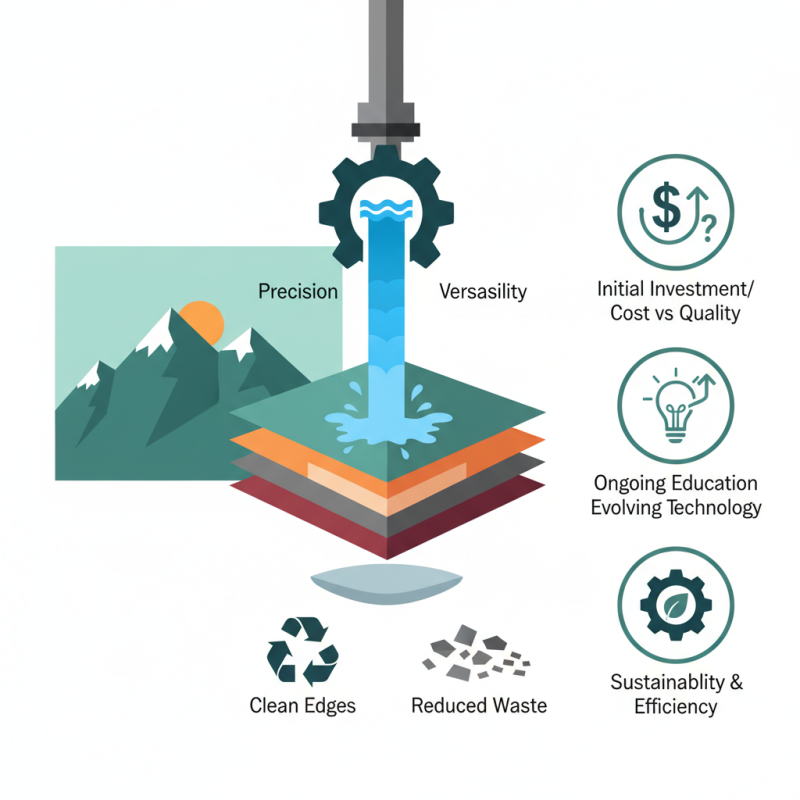
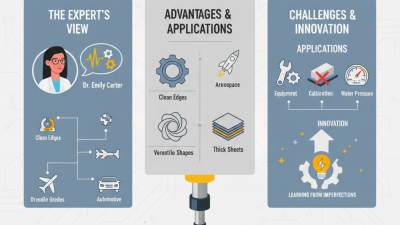
In Utah, manufacturers and artisans leverage waterjet cutting for its advantages. This method produces clean edges and reduces waste. However, it's not without challenges. The initial investment can be high for some businesses.
Customers often seek a balance between cost and quality. As the industry grows, ongoing education about waterjet cutting in Utah remains crucial. Many companies find themselves navigating this evolving technology, often reflecting on its sustainability and efficiency.
What is Waterjet Cutting and How Does it Work?
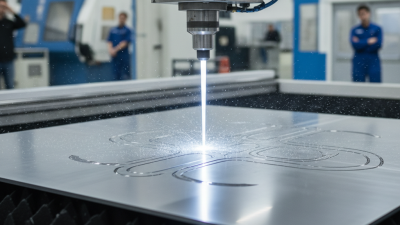
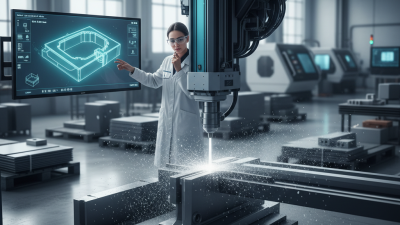
Waterjet cutting is a fascinating technology that uses high-pressure water to cut through various materials. It works by mixing water with abrasive particles. This mixture is then forced through a tiny nozzle, creating a powerful jet. The pressure can reach tens of thousands of psi. This enables the waterjet to slice through materials with precision.
The versatility of waterjet cutting is impressive. It can handle metals, glass, stone, and plastics effortlessly. This method generates minimal heat, which helps to prevent warping. However, achieving a perfect cut requires careful calibration and practice. Any misjudgment in settings can affect the final result, leading to uneven edges or excessive waste.
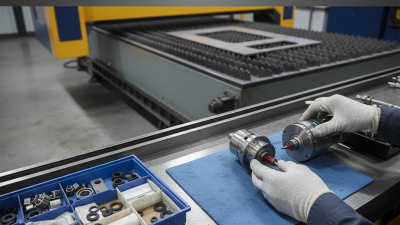
Utah industries benefit significantly from this cutting method. The ability to create intricate designs opens new doors for manufacturing. Yet, despite its benefits, waterjet cutting isn't without challenges. Operators must continually refine their skills. Proper maintenance of the equipment is crucial for consistent performance. These aspects can lead to unexpected downtime if not managed correctly.
Waterjet Cutting Efficiency in Various Materials
This bar chart illustrates the cutting speeds of waterjet technology across different materials. As shown, plastic showcases the highest cutting speed, while stone has the lowest, highlighting the versatility of waterjet cutting technology.
Historical Development of Waterjet Cutting Technology
Waterjet cutting technology has come a long way since its inception in the 1950s. Initially developed for industrial uses, it quickly attracted attention in sectors demanding precision. Early methods relied heavily on simple water streams. As time passed, innovations introduced the use of abrasives, greatly enhancing cutting capabilities.
In the 1980s, the process became more refined. Engineers began to experiment with high-pressure systems, pushing the limits of what waterjet cutting could achieve. This evolution was driven by the need for cleaner and more efficient cutting methods. Today, waterjet cutting can slice through materials like metal, stone, and glass with remarkable accuracy. Yet, despite its advancements, there are challenges. Maintaining the right pressure and ensuring precise nozzle positioning can still be tricky.
As waterjet cutting continues to evolve, its applications expand, but operators must always reflect on best practices. Even minor adjustments in technique can lead to significant differences in results. The constant pursuit of perfection in this field keeps pushing boundaries, yet room for improvement always exists. Balancing innovation with practicality will remain a critical focus for the industry.
Key Benefits of Waterjet Cutting in Various Industries
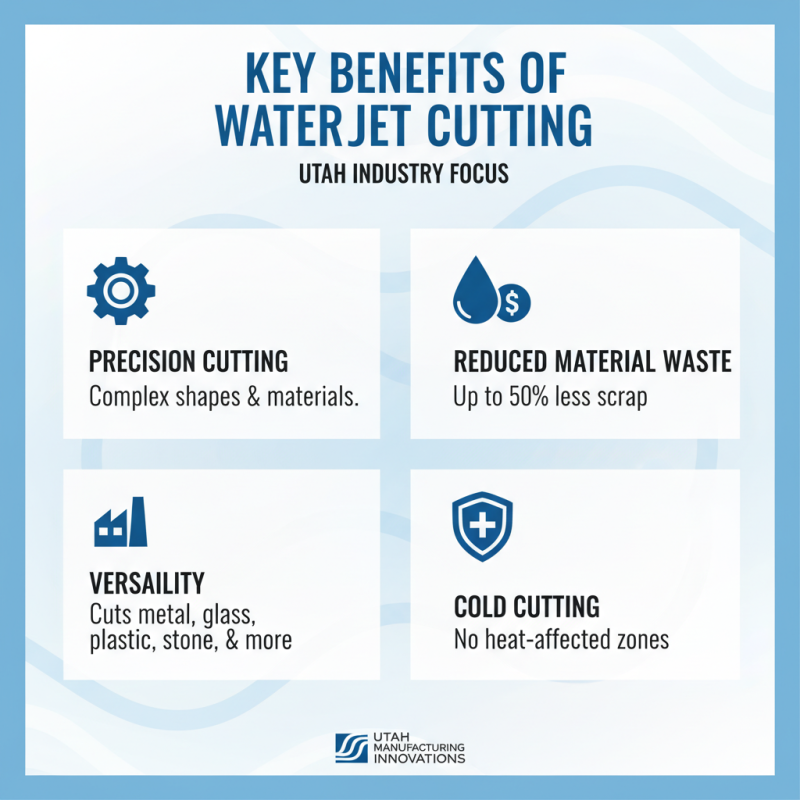
Waterjet cutting has become an essential technology for various industries across Utah. This technique uses high-pressure water, sometimes mixed with abrasive substances, to cut materials with precision. According to industry reports, waterjet cutting can reduce material waste by up to 50%. This is crucial for industries like manufacturing, where every dollar counts.
One key benefit of waterjet cutting is its versatility. It can cut through metals, glass, ceramics, and even food. The ability to work with multiple materials allows businesses to streamline operations and reduce costs. For instance, the automotive industry often relies on waterjet cutting for intricate parts that require high accuracy. Additionally, food processing companies utilize this method to achieve cleaner cuts, enhancing food safety and quality.
Despite its advantages, waterjet cutting is not without challenges. Maintenance can be costly, and operators require training to use the equipment effectively. Furthermore, the initial investment can be daunting for smaller companies. However, the long-term benefits, such as reduced operational costs and increased efficiency, often outweigh these issues. As the technology evolves, industries in Utah are finding innovative ways to implement waterjet cutting, driving growth and sustainability.
Applications of Waterjet Cutting in Utah's Local Economy
Waterjet cutting is becoming increasingly popular in Utah's local economy. Industries such as manufacturing, aerospace, and construction have embraced this technology. The ability to cut through various materials like metals, glass, and stone with precision has made waterjet cutting essential. It reduces waste and allows for intricate designs that traditional cutting methods struggle with.
In construction, waterjet cutting is utilized for unique architectural features. It provides clean edges, minimizing the need for additional finishing work. This process enhances productivity, saving time and costs. In the aerospace sector, precision is paramount. Waterjet technology meets those demands, contributing to high-quality components that boost local innovation. However, there are struggles with the initial setup costs for businesses. Some find it challenging to justify the investment when starting new projects.
Waterjet cutting also supports the creative arts in Utah. Local artists use this technology to bring their visions to life. This intersection of art and industry is fascinating but can also lead to debates. The reliance on technology raises questions about craftsmanship. Are we losing the human touch in creative processes? Each of these aspects continues to shape Utah's economy in diverse ways.
Environmental Impact and Sustainability of Waterjet Cutting in Utah
Waterjet cutting is a versatile and efficient method used in various industries in Utah. Its environmental impact and sustainability make it an attractive option. Traditional cutting methods often produce harmful emissions, noise, and waste. Waterjet cutting, on the other hand, uses high-pressure water and garnet to cut materials, creating minimal waste and pollution.
One major benefit of waterjet cutting is its ability to work with various materials, including metals, glass, and stone. This reduces the need for multiple machines. Furthermore, the process generates less heat, which means less thermal distortion. This eco-friendly approach is crucial for businesses aiming to reduce their carbon footprint.
Tips for maximizing waterjet cutting’s benefits include regular maintenance. Machines that are well-maintained operate more efficiently. Additionally, recycling waste materials can further enhance sustainability. Be mindful of material choices; opting for locally sourced materials can reduce transportation emissions. Evaluating these factors can lead to a more sustainable operation, but sometimes the pursuit of perfection can take time. It's essential to reflect on the impact of each choice and seek continuous improvement.