How to Use Water Jet Cutting for Stainless Steel Fabrication?
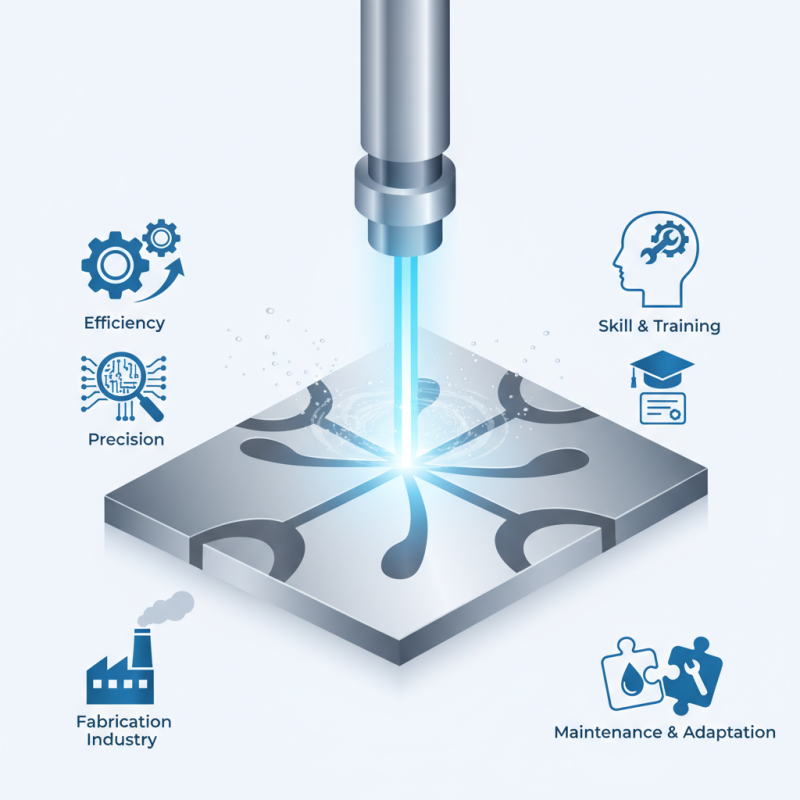
Water jet cutting stainless steel is revolutionizing the fabrication industry. Experts like Dr. Emily Rogers, a leading figure in advanced manufacturing, emphasize its efficiency. She once noted, "Using water jet cutting allows for precision that few other methods can match."
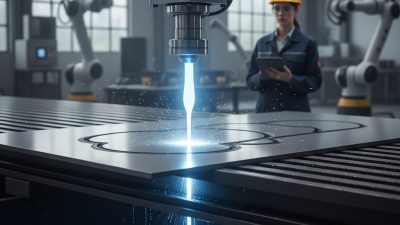
This technique harnesses high-pressure water to cut through stainless steel. The process is versatile, accommodating diverse designs and thick materials. However, mastering water jet technology requires skill. Not all operators achieve the same level of output, reflecting the importance of training.
Challenges persist in the industry. While water jet cutting stainless steel is distinctively effective, issues like nozzle wear and equipment maintenance can hinder performance. Continuous learning and adaptation are crucial for success. Understanding these intricacies leads to better fabrication outcomes.
Understanding Water Jet Cutting Technology and Its Applications
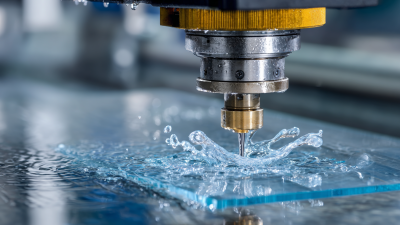
Water jet cutting technology offers an innovative approach for stainless steel fabrication. Using high-pressure water mixed with abrasive materials, this method is capable of slicing through metal with precision. According to a recent industry report, the global water jet cutting market is projected to grow at a CAGR of 7.5% until 2026. This growth highlights the increasing reliance on water jet cutting in various applications, from automotive to aerospace manufacturing.
Tips: Ensure your water jet cutting equipment is well-maintained. Regular maintenance can prevent breakdowns and improve efficiency.
Water jet cutting is especially advantageous for stainless steel. It minimizes thermal distortion, preserving the metal's structural integrity. Companies have reported a 30% reduction in waste material when using this technique compared to traditional methods. Yet, the setup cost can be high. Smaller workshops may hesitate to invest without assurance of return.
Tips: Consider starting with a pilot project. This allows you to evaluate costs and benefits before full-scale implementation.
Additionally, the versatility of water jet cutting allows for complex designs that might be challenging with other cutting methods. This technology can create intricate patterns without compromising strength. However, as with any fabrication method, challenges include water disposal and energy consumption. A company must reflect on its environmental impact when adopting this technology.
Advantages of Using Water Jet Cutting for Stainless Steel Fabrication
Water jet cutting is an efficient technique for stainless steel fabrication, offering several key advantages. It uses high-pressure water mixed with abrasive material to cut with precision. This process generates minimal heat, preserving the integrity of the metal. Unlike traditional cutting methods, water jet cutting eliminates the risk of warping or discoloration. This is crucial for projects requiring high tolerances and a flawless finish.
Another benefit is the versatility of water jet cutting. It can handle various thicknesses of stainless steel, allowing for intricate designs. Complex shapes and angles are no challenge for this method. Additionally, the process produces very little waste. This environmental advantage can lead to cost savings in materials. However, setting up for water jet cutting can be complex. Operators must be well-trained to maximize efficiency.
Despite these positives, some limitations exist. The initial investment in equipment can be high. Regular maintenance is necessary to keep the machinery functioning correctly. Also, not all stainless steel grades cut equally well with this method. Understanding these aspects is important for anyone considering water jet cutting. It requires careful planning and skilled execution to achieve the best results.
Key Parameters Affecting Water Jet Cutting Efficiency and Quality
Water jet cutting is a popular method for fabricating stainless steel. However, the efficiency and quality of this process depend on key parameters. Pressure is critical. Higher pressure leads to faster cutting speeds but can compromise the edge quality if not properly managed. It’s essential to find the right balance.
The thickness of the stainless steel also influences results. Thicker materials require more focused energy and slower speeds. This approach can sometimes lead to uneven edges or warping. Maintaining consistent feed rates helps in achieving better quality, but operators often struggle to control this aspect.
Abrasive material is another factor. The type and granularity affect the cutting performance. Coarser abrasives can cut faster but may reduce the smoothness of the finish. On the other hand, finer abrasives improve edge quality. However, they can slow down the process, requiring careful consideration. Each project may need a different approach, making experimentation essential.
Common Techniques and Best Practices in Water Jet Cutting Process
Water jet cutting is a powerful technique for stainless steel fabrication. It utilizes high-pressure water mixed with abrasive materials. This method is precise and can produce intricate designs without affecting the material integrity. Key to success is knowing how to set the correct pressure. Too high, and it may damage the edges. Too low, and the cut may be incomplete.
Common techniques include the use of different abrasives. Garnet is popular, but others can work too. Experimenting with abrasive types can yield varied results. Adjusting the cutting speed is crucial as well. A slower speed offers finer cuts, while a faster speed increases efficiency. However, it may sacrifice edge quality.
Practicing on scrap material can help refine these techniques. Understanding the machine settings requires time. Not every cut will be perfect initially. It's essential to review each cut for improvements. Even minor adjustments can enhance the final product's quality. Mastery of water jet cutting takes patience and trial and error.
Safety Considerations in Water Jet Cutting Operations for Stainless Steel
Water jet cutting is a precise method for fabricating stainless steel. However, safety must be a priority. Protective gear is essential. This includes safety glasses, gloves, and ear protection. High-pressure water jets can be dangerous. They can cause serious injury if proper precautions are not taken.
In a water jet cutting facility, it's crucial to maintain a clean environment. Clutter can lead to accidents. Training workers on safe practices is vital. They should be aware of the risks associated with high-pressure equipment. Employees need to understand emergency protocols. Regular equipment checks can prevent malfunctions.
While water jet cutting is effective, challenges persist. Water quality can affect the cutting process. It’s necessary to monitor this continuously. Operators should be attentive, as distractions can lead to costly mistakes. Reflecting on past incidents can help improve safety measures in the future.