What is a Valve DC Gear Motor and How Does It Work?
In the world of automation, the "Valve DC Gear Motor" holds a unique position. This device combines the efficiency of a DC motor with the precise control of a gear mechanism. According to Dr. Emily Carter, an industry expert, "Valve DC Gear Motors enable precise positioning in complex systems." This precision is vital for various applications, from robotics to automotive systems.
These motors operate by converting electrical energy into mechanical movement, providing consistent torque. The integration of gears allows for adjustments in speed and force. For instance, in robotic arms, these motors provide the strength needed to manipulate heavy components while maintaining delicacy. However, the calibration of these motors can sometimes be a challenge, requiring thoughtful adjustments.
Many engineers face hurdles in optimizing performance. Understanding the balance between speed, torque, and power consumption is crucial. Valve DC Gear Motors are not perfect; they demand ongoing refinement and expert knowledge. Recognizing their limitations is essential for users striving for operational excellence.
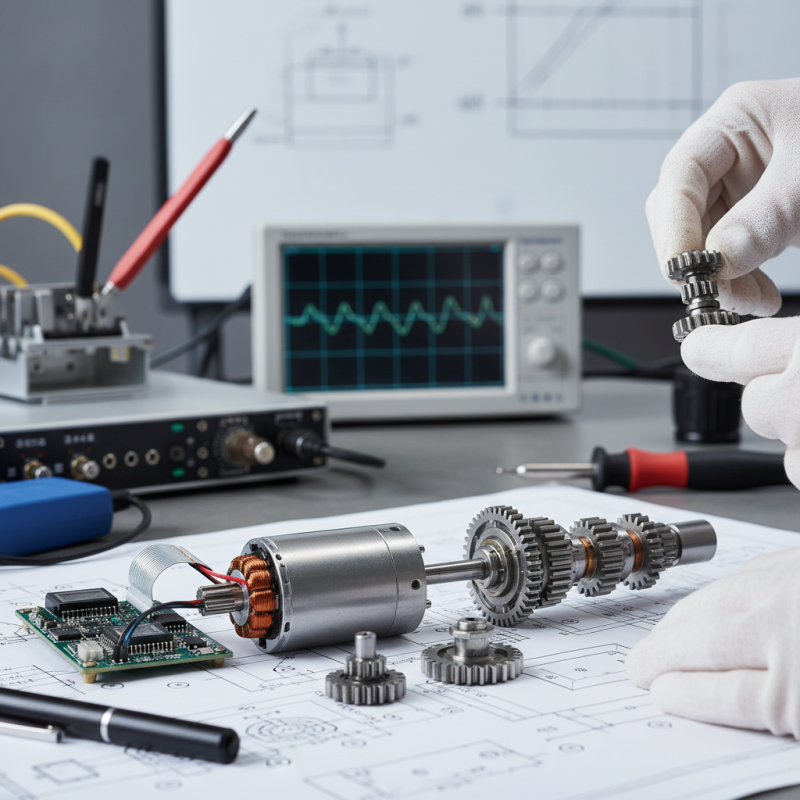
What is a Valve DC Gear Motor?
A Valve DC Gear Motor is a specialized device combining a direct current (DC) motor with a gear reduction system. This integration enhances torque while reducing speed, making it ideal for precise control in various applications. Notably, DC gear motors can be found in robotics, automotive systems, and industrial equipment. Market reports reveal that the demand for such motors is increasing, projected to grow by over 5% annually until 2026.
The construction includes an electric motor that drives gears. The gears in the system reduce output speed and increase torque. This mechanism is crucial for applications requiring controlled movement. Consider robotics, where precision is vital. Data indicates that a product capable of 200 RPM may be more efficient than a standard motor running at 1000 RPM, providing better control and energy efficiency.
However, there are challenges. The complexity of integration can lead to increased costs. Additionally, maintenance is crucial for longevity. Industry insights suggest that a well-maintained gear motor can last up to 5000 operational hours. Yet, many users overlook regular checks, impacting performance. Such oversight can lead to reduced efficiency over time. Understanding these nuances can help users maximize the potential of Valve DC Gear Motors.
Components of a Valve DC Gear Motor
A Valve DC Gear Motor is an essential component in various mechanical systems. Understanding its parts helps to grasp how it functions. The primary components include the DC motor, gear system, and valve mechanism. Each part plays a crucial role in the overall operation.
The DC motor converts electrical energy into mechanical energy. It provides the necessary power, allowing the motor to rotate. The gear system reduces the speed while increasing torque. This is vital for controlling the valve's position accurately. Gears must be well-aligned for efficient performance. Misalignment might lead to vibration or premature wear.
The valve mechanism is the last piece of this assembly. It controls fluid flow in systems like HVAC or hydraulic applications. When the motor rotates, it moves the valve, opening or closing it. Details matter here; a small defect could lead to leaks or failures. Regular maintenance of all components is important to ensure smooth operation. Awareness of the potential flaws encourages improvement and reliability in using a Valve DC Gear Motor.
How the Valve DC Gear Motor Operates
A valve DC gear motor is a compact device. It combines a DC motor with a gear system. This setup allows for precise control of motion. The gear system reduces speed while increasing torque. As a result, it can handle heavier loads effectively.
When operating, the DC motor spins. The gears then translate this motion into a manageable form. This is ideal for applications like robotics and automation. A valve can be opened or closed by adjusting the motor’s speed. However, tuning the setup can be challenging. Finding the right gear ratio is crucial. Too high a ratio can lead to sluggish performance.
In practice, users might face unexpected issues. Sometimes, the motor may overheat. Other times, there is a misalignment in the gears. Regular checks are important to maintain performance. Learning to troubleshoot these problems can enhance efficiency. Each adjustment brings new challenges, encouraging a deeper understanding of the systems involved.
Applications of Valve DC Gear Motors
Valve DC gear motors are commonly used in various industries due to their versatility. They play a crucial role in automation systems. These motors combine the advantages of direct current (DC) motors with the mechanical advantage of gear systems. This combination allows for precise control of speed and torque, which is essential in numerous applications.
One notable application is in robotics. Here, valve DC gear motors assist with movement and articulation. They provide the required power and precision to manipulate robotic limbs. Additionally, they are prevalent in the medical field. Medical devices like wheelchair motors and prosthetics use these gear motors for controlled movement. They ensure reliability, making them vital in life-saving equipment.
Another sector using valve DC gear motors is automotive. In vehicles, these motors control various systems, including window lifts and seat adjustments. Their efficiency improves overall vehicle performance. Despite their advantages, it's important to consider maintenance aspects. Motor wear can reduce efficiency. Regular checks can help overcome potential issues and enhance longevity.
Advantages of Using Valve DC Gear Motors
Valve DC gear motors offer numerous advantages in various applications. They combine a direct current motor with a gear mechanism. This design enhances torque while reducing speed, making them ideal for precise control in machinery. Their compact size is another plus. They fit well in tight spaces, adding versatility.
One major benefit is efficiency. These motors consume less power compared to traditional options. This results in lower operational costs over time. Additionally, their low noise levels make them suitable for environments where sound sensitivity is crucial. In robotics, for example, they enable smooth movements without disruptive sounds.
Tips: When choosing a valve DC gear motor, consider the application. Ask yourself if the motor’s torque and speed align with your needs. Also, assess the space you have available. It’s important to strike a balance between size and performance. Remember, trial and error can help refine your choice.
Usage of Valve DC Gear Motors in Various Industries