
What is a Transformer Substation and How Does It Work?

Transformer Substations play a crucial role in modern electricity distribution. These facilities transform high-voltage electricity from power plants into lower voltages for homes and businesses. As industry expert Dr. Emily R. Carter explains, “Without transformer substations, our electrical grid would collapse under its own weight.” Her insight highlights the importance of these structures in maintaining a stable power supply.

Understanding a transformer substation requires knowledge of its components and functions. Each substation contains transformers, circuit breakers, and other critical devices. These elements work together to manage voltage levels and ensure safe electricity flow. However, the design and operation of these substations are not without challenges. Issues like maintenance, efficiency, and environmental impacts demand continuous improvement and innovation.

While the role of transformer substations is well-recognized, we must reflect on their limitations. Aging infrastructure can lead to outages or failures. Furthermore, integrating renewable energy sources presents new complexities. Therefore, ongoing research and development in this field are essential to address these challenges and enhance the reliability of the power grid.
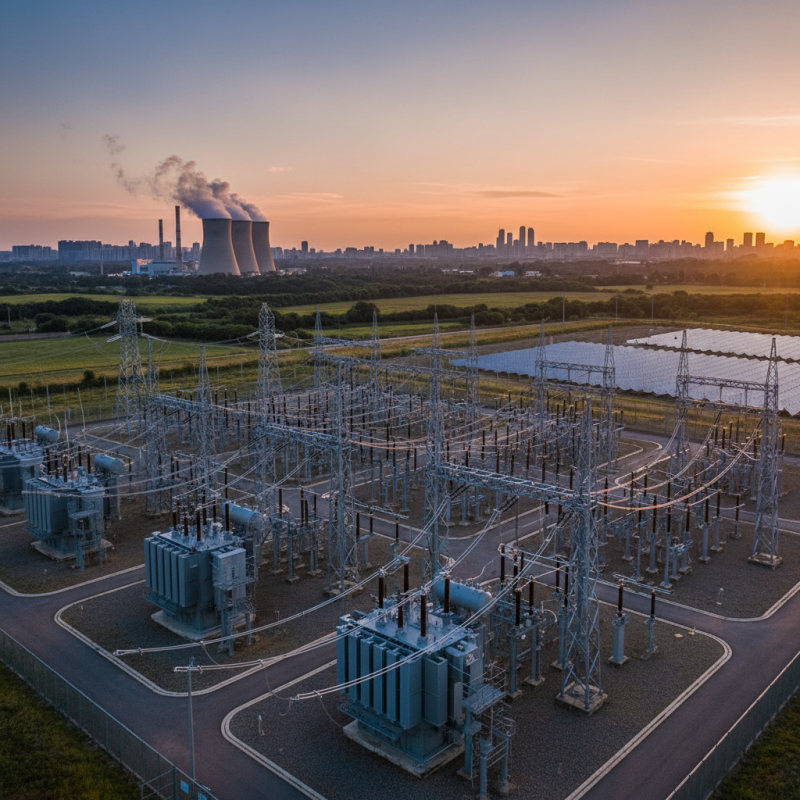
What is a Transformer Substation and How Does It Work?

What is a Transformer Substation?

A transformer substation plays a crucial role in power distribution. It transforms voltage levels to ensure efficient electricity flow. These substations connect various parts of the electrical grid, enhancing reliability.

Inside a transformer substation, transformers adjust high-voltage electricity to a lower level suitable for consumers. Safety is vital here. Operators must monitor for faults or failures continuously. This requires skilled personnel and reliable equipment.

The design of substations varies by location and demand. Some may look simple, yet they are complex structures. Each component must perform perfectly for the system to work. There’s always room for improvement in these facilities. Regular maintenance is key to ensuring longevity and performance. Every detail matters in keeping the lights on.

Transformer Substation Power Distribution

This bar chart illustrates the power output of four different transformers at a transformer substation, showing their capabilities in terms of megawatts (MW). Each bar represents the total power output of each transformer, helping to visualize the distribution of power in the substation.

Key Components of a Transformer Substation

A transformer substation is crucial in electrical distribution. Its components manage voltage levels, ensuring efficient power transmission. Understanding these components helps in grasping their importance.

Transformers are central to substations. They step up or step down voltage for efficient electricity transport. According to the U.S. Energy Information Administration, over 60% of electrical energy loss occurs during transmission. A properly functioning transformer minimizes this loss.

Switchgear is another vital component. It protects electrical equipment by interrupting fault currents. These systems are critical in maintaining stability within the grid. In 2022, the global switchgear market was valued at approximately $80 billion. Monitoring and maintaining this equipment is paramount for safety.

Busbars distribute power within the substation. Made from copper or aluminum, they carry high currents. Maintenance is often overlooked, yet it's essential. Insufficient attention to busbars could lead to significant outages. Regular inspections can prevent these failures.

What is a Transformer Substation and How Does It Work? - Key Components of a Transformer Substation

Component Function Specifications
Transformer Converts voltage from high to low or low to high Capacity: 10 MVA to 1000 MVA
Circuit Breaker Protects the electrical circuit from overload or short circuit Rated Voltage: 15 kV to 500 kV
Busbar Conducts electricity between incoming and outgoing feeders Material: Copper or Aluminum
Transformer Oil Insulates and cools the transformer Type: Mineral oil or Biodegradable oil
Relays Monitors electrical conditions and prevents faults Types: Electromechanical and Solid-state
Control Room Monitors and manages substation operations Equipped with SCADA systems

How Does a Transformer Substation Operate?

A transformer substation plays a crucial role in power distribution. It is where voltage is transformed to a safer level for local distribution. This step is essential for delivering electricity to homes and businesses efficiently.

Inside a transformer substation, high voltage electricity enters. It then passes through transformers that change the voltage levels. These transformers can increase or decrease the voltage as needed. This process ensures that electricity remains stable over long distances. However, issues can arise. Equipment can fail, and maintenance is vital to prevent outages.

Tips: Regular inspections can catch early signs of wear. Keeping equipment clean also improves performance. Ensure that staff is trained to handle emergencies safely.

The operation of a substation relies on various components. Circuit breakers control the flow of electricity, protecting the system from faults. Capacitors may be used to improve power factor and reduce losses. Each component must function well; otherwise, the entire system may be at risk. Even minor malfunctions can lead to major disruptions, underscoring the importance of proactive maintenance.

Benefits of Transformer Substations in Power Distribution

Transformer substations play a crucial role in power distribution systems. They step down high voltage electricity from transmission lines to a lower voltage suitable for local distribution. This process enhances the safety and reliability of energy delivery. According to the International Energy Agency, global electricity demand is expected to grow by 5% annually through 2025. A robust transformer substation infrastructure is essential to meet this rising demand effectively.

The benefits of transformer substations extend beyond voltage regulation. They also improve energy efficiency. Efficient transformer designs can reduce energy losses during transmission. A report by the Electric Power Research Institute indicates that modern transformers can achieve efficiency levels exceeding 98%. This efficiency not only conserves energy but also reduces operational costs for utilities.

Furthermore, transformer substations facilitate the integration of renewable energy sources. As more wind and solar projects come online, substations ensure a stable supply. However, this integration comes with challenges. The variability of renewable sources requires advanced management solutions. Ensuring substations can adapt to changing conditions is vital. Balancing reliability and innovation in station design remains an industry reflection point.

Safety Measures in Transformer Substations

Transformer substations play a crucial role in the electrical grid. They ensure that electricity is transformed and distributed safely. However, safety measures are vital in these facilities to protect both personnel and equipment.

Regular maintenance checks are essential. These checks help identify potential hazards, like oil leaks or overheating components. Proper training for staff is equally important. Workers should understand emergency protocols and equipment handling. This reduces the risk of accidents. Additionally, implementing access controls helps limit entry to authorized personnel only, minimizing the chances of human error.

Fire suppression systems are also critical. They detect and extinguish fires quickly, protecting vital equipment. Grounding systems are another preventive measure. They help avoid electrical shocks and equipment damage. Despite these measures, challenges remain. Each substation may face unique risks depending on its location and environment. Continuous evaluation and adaptation of safety practices are necessary to address these challenges effectively.