Top 10 Waterjet Cutting Parts for Precision Engineering Applications
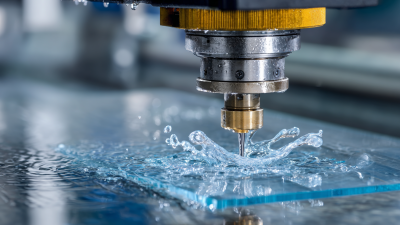
In the realm of precision engineering, the importance of selecting the right components can significantly affect the quality and efficiency of the machining process. Among the various technologies available, waterjet cutting has emerged as a versatile and efficient method for producing intricate parts across a multitude of industries. This technique relies on high-pressure streams of water, often mixed with abrasive materials, to cut through a wide range of materials with exceptional accuracy. To maximize the benefits of this advanced cutting method, understanding the specific waterjet cutting parts that contribute to its capabilities is essential.
This article aims to explore the top 10 waterjet cutting parts vital for precision engineering applications. Each component plays a pivotal role in ensuring the system operates at optimal performance, affecting everything from the precision of the cut to the overall efficiency of the machine. By delving into the essential features and functions of these components, we can reveal how they enhance the waterjet cutting process, enabling engineers to achieve superior results. Whether you are a seasoned professional or new to the field, gaining insights into these critical waterjet cutting parts can empower you to make informed decisions that elevate your engineering projects.
Top 10 Waterjet Cutting Techniques for Superior Precision Engineering
In the realm of precision engineering, waterjet cutting stands out as a versatile and efficient process. Its ability to slice through a variety of materials, from metals to ceramics, makes it an invaluable technique in industries such as aerospace, automotive, and architecture. According to a report by ResearchAndMarkets, the global waterjet cutting machine market is expected to grow at a CAGR of 6% from 2021 to 2026, highlighting the increasing reliance on this technology for high-precision applications.
Among the top techniques, abrasive waterjet cutting is particularly noteworthy. This method incorporates an abrasive material mixed with high-pressure water, enabling it to cut through thicker and tougher materials. A study published in the Journal of Manufacturing Processes indicated that abrasive waterjets can achieve a cutting precision of up to ±0.1 mm, making them ideal for intricate designs. Additionally, pure waterjet cutting is favored for softer materials, offering a kerf width as narrow as 0.5 mm without causing thermal distortion. Employing advanced CNC controls in these techniques further enhances the repeatability and accuracy of the cuts, solidifying waterjet cutting's status as a top choice for precision engineering tasks.
Key Materials for Maximum Efficiency in Waterjet Cutting Applications
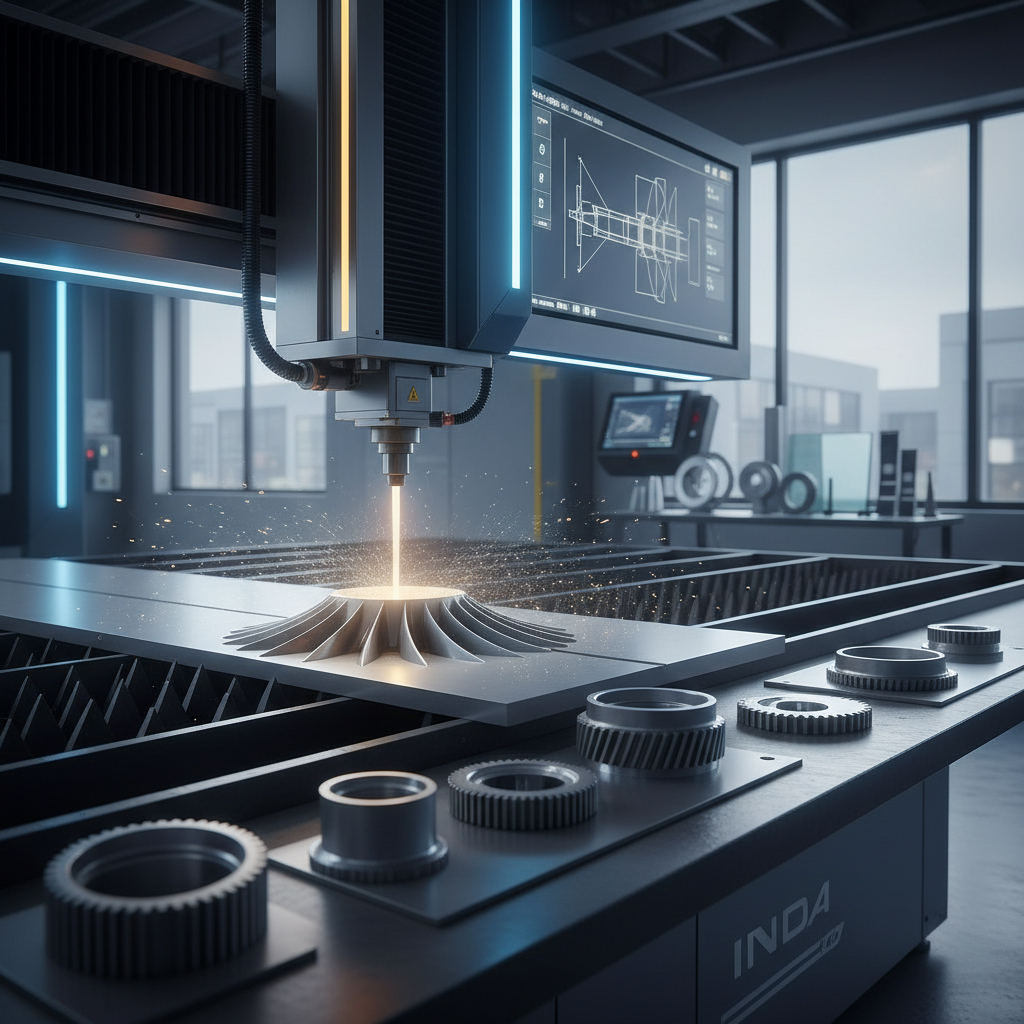
Waterjet cutting technology has gained popularity in precision engineering applications due to its ability to cut a wide range of materials with exceptional accuracy. To achieve maximum efficiency, selecting the right materials is crucial. Among the most common materials used in waterjet cutting are metals like aluminum and stainless steel, which offer both strength and excellent cutting qualities. These metals are ideal for manufacturing components that require precise dimensions and smooth finishes, making them essential for industries such as aerospace and automotive.
In addition to metals, composite materials like Kevlar and fiberglass are also important in waterjet cutting applications. These materials provide lightweight and high-strength options, perfect for applications where weight reduction is critical. Furthermore, the versatility of waterjet cutting allows it to effectively handle intricate designs and complex shapes in various materials, including stone and glass. By utilizing the right combination of materials, engineers can enhance the performance and efficiency of their manufacturing processes, ensuring their projects meet rigorous standards without compromising quality.
Top 10 Waterjet Cutting Parts for Precision Engineering Applications - Key Materials for Maximum Efficiency in Waterjet Cutting Applications
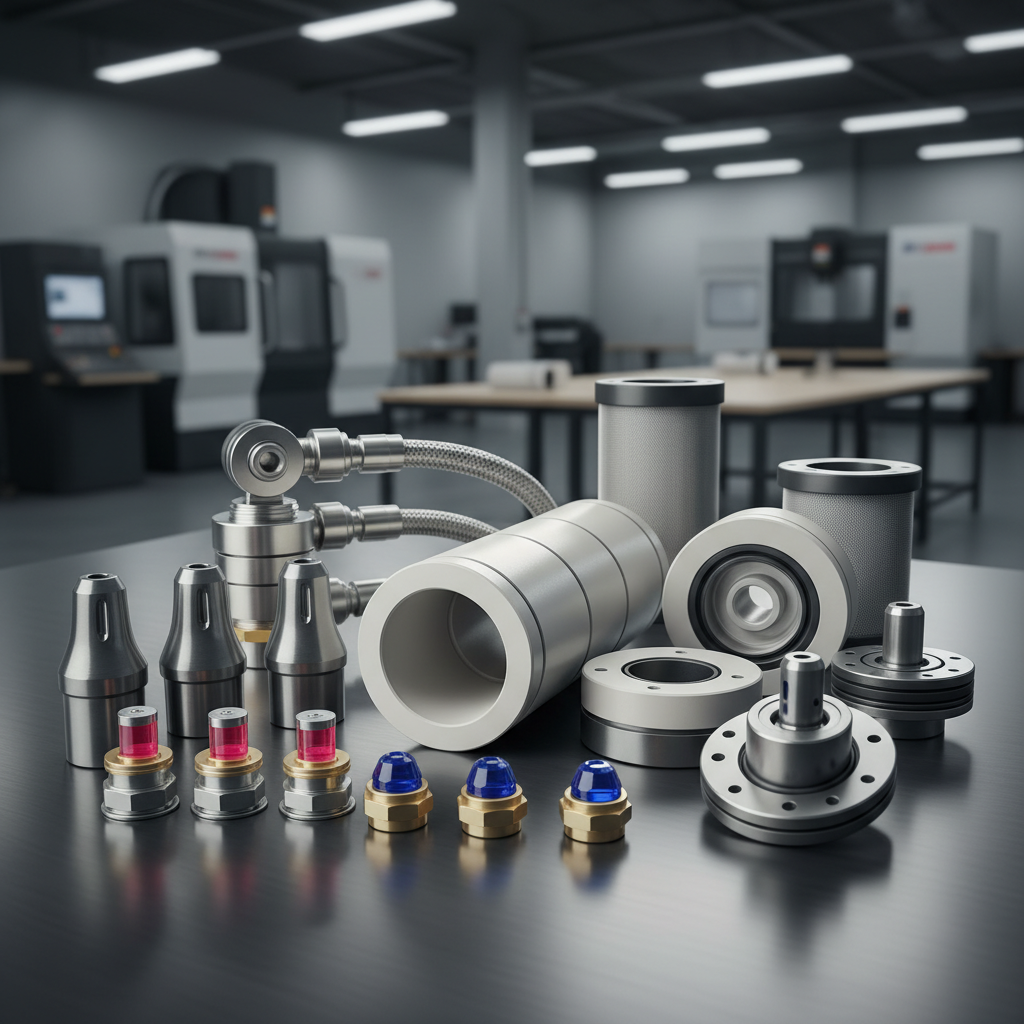
| Part Name | Material | Typical Thickness (inches) | Applications | Efficiency Factor |
|---|---|---|---|---|
| Abrasive Injector | Stainless Steel | 0.5 - 1.0 | Cutting Hard Materials | High |
| Nozzle | Ruby | 0.01 - 0.03 | High Precision Cutting | Very High |
| Cutting Head | Aluminum | 1.0 - 2.0 | General Cutting | Moderate |
| Water Supply Pump | Cast Iron | N/A | Pressure Generation | High |
| Garnet Abrasive | Natural Mineral | N/A | Abrasive Cutting | Very High |
| CNC Controller | Plastic | N/A | Machine Control | High |
| Pressure Vessel | Steel | N/A | Pressure Storage | Very High |
| Focusing Tube | Ceramic | 0.5 - 1.0 | Water Focusing | High |
| Support Structure | Aluminum | N/A | Machine Stability | Moderate |
| Orifice | Brass | 0.01 - 0.02 | Waterjet Streaming | Very High |
Innovative Waterjet Cutting Technologies Transforming Precision Manufacturing
The landscape of precision engineering is undergoing a significant transformation, thanks to innovative waterjet cutting technologies. The global waterjet cutting market is projected to reach $1.29 billion by 2025, growing at a CAGR of 7.1%, according to a recent report by MarketsandMarkets. This growth is fueled by the technology's ability to cut a wide range of materials, including metals, glass, and composites, with unparalleled accuracy and minimal waste. Waterjet cutting operates without the heat affected zone, preserving the structural integrity of materials, which is crucial in high-stakes applications such as aerospace and automotive manufacturing.
Tip: When integrating waterjet cutting into your manufacturing process, consider conducting a pilot test on samples to assess the technology's effectiveness for your specific applications. This hands-on approach can help identify the optimal pressure and abrasive materials needed for your operations.
Moreover, advancements like multi-axis waterjet systems are enhancing efficiency and versatility. With the capability to make intricate cuts and complex shapes, these modern systems cater to diverse industries, from medical devices to architecture. The adoption of smart technologies within waterjet systems is also on the rise, enabling real-time monitoring and data analysis, which can significantly reduce operational costs and downtime.
Tip: Regular maintenance of waterjet systems is essential to ensure optimal performance. Following a scheduled maintenance plan can extend the lifespan of the equipment and improve cutting precision.
Critical Factors Influencing Waterjet Cutting Accuracy in Engineering Projects
In precision engineering applications, waterjet cutting has gained immense popularity due to its ability to cut intricate designs with high accuracy. However, achieving optimal cutting precision is influenced by several critical factors. First and foremost, the quality and pressure of the waterjet nozzle play a pivotal role. A high-pressure system allows for finer cuts and quicker processing times, while the right nozzle diameter ensures that the water stream is focused appropriately to reduce kerf width.
Another key factor is the type of abrasive used in conjunction with the waterjet. The particle size and hardness can significantly affect the cutting effectiveness and surface finish of the material. Additionally, the material being cut contributes to accuracy; harder materials might necessitate specific adjustments in speed and feed rates to maintain precision. Furthermore, the operator's skill and experience in managing the waterjet cutter and understanding these variables is essential for maximizing cutting accuracy, ensuring that every part manufactured meets the stringent requirements of precision engineering.
The Future of Precision Engineering: Trends in Waterjet Cutting Parts and Applications
The waterjet cutting industry is witnessing a transformation driven by advancements in technology and increased demand for precision engineering applications. According to a recent report from MarketsandMarkets, the global waterjet cutting market is projected to reach $2.9 billion by 2026, growing at a CAGR of 7.5% from 2021. This growth is fueled by the versatility of waterjet cutting, capable of handling materials ranging from metals to composites with unparalleled precision. As companies seek to enhance production efficiency and reduce waste, the adoption of advanced waterjet cutting parts, such as dynamic nozzles and high-pressure pumps, has become essential.
Emerging trends such as automation and the integration of artificial intelligence into waterjet cutting processes are reshaping the landscape of precision engineering. A study by Research and Markets indicates that intelligent manufacturing, which includes the implementation of smart waterjet systems, is expected to improve operational efficiency by up to 30% over the next five years. This evolution not only signifies a shift towards more sophisticated machinery but also highlights the increasing importance of skilled technicians who can manage and maintain advanced waterjet equipment. The future of precision engineering is undoubtedly linked to the ongoing development of innovative waterjet cutting technologies and components, shaping the industry for years to come.
Top 10 Waterjet Cutting Parts for Precision Engineering Applications
This bar chart illustrates the top 10 waterjet cutting parts used in precision engineering applications and their estimated market demand in units. The data reflects trends in the industry, indicating the increasing reliance on waterjet technology for intricate cutting tasks.
Related Posts
-
Maximize Precision and Efficiency with Local Water Jet Cutting: The Future of Material Processing
-
The Future of Precision Manufacturing with Waterjet Cutting Technology in Utah
-
Exploring the Benefits of Water Jet Cutting for Precision Stainless Steel Fabrication
-
Understanding the Benefits of Water Jet Cutting Machines in Modern Manufacturing
-

Why Choose Waterjet Cutting Services in Seattle for Your Precision Needs?
-
Why Choosing the Right Dock Hoist is Essential for Your Marine Operations