Top 10 Water Jet Head Benefits and Applications Explained?
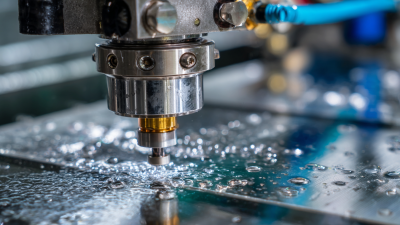
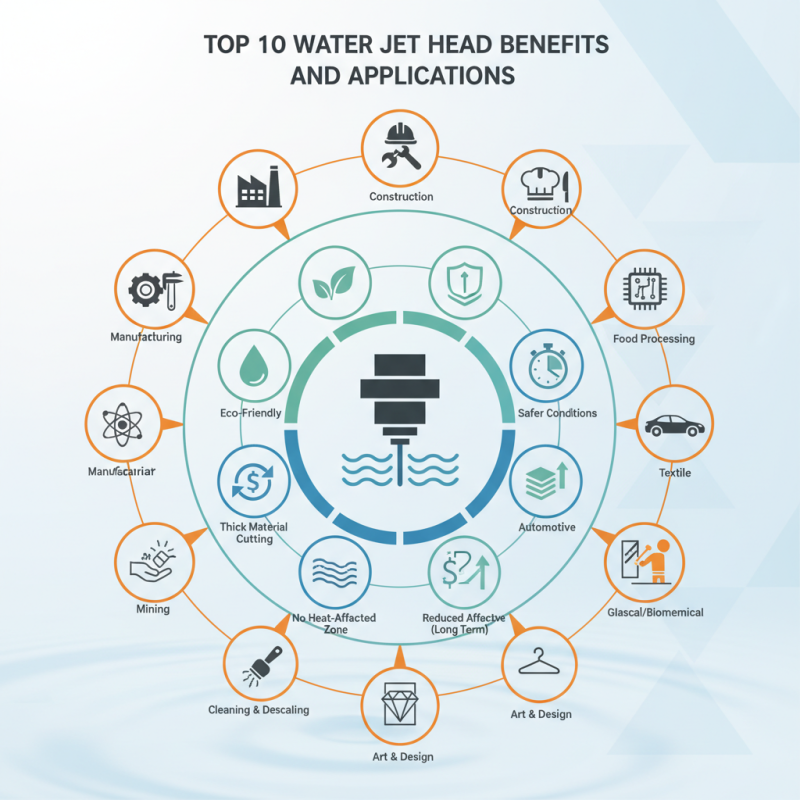
Water jet heads are powerful tools in various industries. They utilize high-pressure water to cut, clean, or etch materials. The benefits of using a water jet head are impressive and diverse. It offers precision and versatility, making it an attractive option for many applications.
Many industries benefit from water jet heads. Manufacturing, construction, and even food processing utilize these tools regularly. The ability to cut through thick materials with ease is remarkable. However, some users may overlook maintenance needs. Proper care is crucial for optimal performance.
Water jet heads also have eco-friendly advantages. They often require fewer chemicals, promoting safer working conditions. While the technology is advanced, it can be expensive initially. This leads to a need for careful consideration before investment. In conclusion, understanding the advantages and potential drawbacks of water jet heads is essential for informed choices.
Top Advantages of Water Jet Cutting Technology in Various Industries
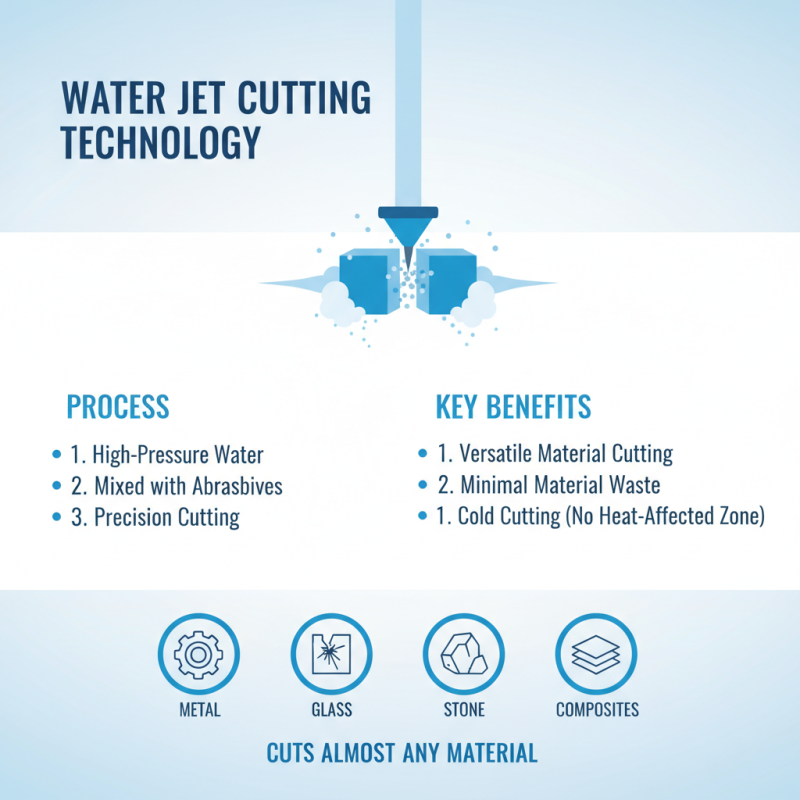
Water jet cutting technology is transforming various industries. Its ability to slice through materials with precision sets it apart. This method uses high-pressure water mixed with abrasives. It effectively cuts metal, glass, stone, and composite materials while producing minimal wastage.
One major advantage is its versatility. Water jet cutting can handle various thicknesses and materials. It allows intricate designs to be created without the risk of heat distortion. This is critical for applications in aerospace or automotive manufacturing. Another benefit is environmental friendliness. The process does not generate harmful gases, making it safer for operators and the planet.
Despite its advantages, some challenges exist. Not all materials are suitable for water jet cutting. For example, softer materials can absorb too much water. Operators may also need specialized training to maximize efficiency. Inadequate knowledge can lead to mistakes in design and execution. These factors highlight the need for careful consideration when implementing this technology.
Key Applications of Water Jet Heads in Manufacturing Processes
Water jet heads are increasingly important in modern manufacturing. They use high-pressure water to cut various materials, making them versatile. According to a recent industry report, the water jet cutting market is expected to reach $560 million by 2025, growing at a rate of 6.5% annually. This growth reflects the widespread adoption of water jet technology across several sectors.
In automotive manufacturing, water jet heads excel in cutting complex shapes and patterns. Their precision reduces waste, enhancing efficiency. An average of 90% material usage can be achieved with water jet cutting compared to traditional methods. The flexibility of water jets allows for easy adjustment in cutting speed and pressure, which is critical for working with soft materials like rubber or hard materials like metal. However, challenges remain, such as the possibility of warping thinner materials.
A notable application is in aerospace. Water jet heads can accurately cut intricate designs necessary for aircraft components. Reports indicate that around 70% of aerospace manufacturers have adopted this technology for its efficiency and quality. Yet, achieving optimal pressure settings can be tricky. Improper settings can lead to poor cuts, necessitating constant adjustments during production. The learning curve and initial setup can be daunting, but the payoff often justifies the effort.
Efficiency and Precision: Water Jet Cutting vs. Traditional Methods
Water jet cutting has revolutionized the manufacturing landscape. It offers significant advantages over traditional cutting methods. One of the key benefits is its precision. According to industry reports, water jet systems can achieve tolerances up to ±0.005 inches. This level of accuracy is often hard to reach with tools like saws or lasers, which can create more kerf and heat-affected zones.
Efficiency is another crucial factor. Water jet cutting generates little to no thermal distortion. This is particularly important for materials that are sensitive to heat, such as glass or aluminum. Traditional methods often lead to warping or melting, requiring additional finishing processes. In fact, studies indicate that water jet cutting can reduce material waste by up to 30%. This means less time and money spent on remediation.
However, water jet cutting isn’t without its challenges. The initial investment can be high, and maintenance requires specialized knowledge. Moreover, slower cutting speeds compared to laser or plasma cutting can hinder production timelines for some applications. Understanding these drawbacks is essential for anyone considering this technology. Balancing efficiency and precision with potential downsides ensures informed decision-making in manufacturing processes.
Efficiency Comparison: Water Jet Cutting vs. Traditional Methods
This chart illustrates the efficiency and precision of water jet cutting compared to traditional cutting methods across various applications. The metrics represent the cutting speed and accuracy in millimeters, showcasing the advantages of water jet technology.
Environmental Benefits of Water Jet Technology in Industrial Use
Water jet technology offers significant environmental benefits in industrial applications. This process uses high-pressure water streams to cut or clean materials. It reduces waste production dramatically. According to industry reports, using water jets can cut waste by up to 70% compared to traditional methods. This reduction leads to lower disposal costs and a smaller environmental footprint.
Furthermore, water jet cutting is a non-toxic process. It avoids the use of harmful chemicals commonly found in traditional cutting systems. This means less air pollution and fewer hazardous materials to manage. A study from the Environmental Protection Agency indicates that industries adopting water jet technology have seen a 40% decrease in VOC emissions. This is crucial for improving air quality in industrial regions.
However, challenges remain. Water jet systems require a significant initial investment. Maintenance and training for operators can also be costly. Not all materials can be effectively processed with water jets. Industries must carefully assess their needs and resources. Reflecting on these aspects can lead to more informed decisions regarding technology adoption. Balancing environmental benefits with practical limitations is essential for a sustainable future.
Top 10 Water Jet Head Benefits and Applications Explained
| Benefit/Application | Description | Environmental Impact |
|---|---|---|
| Precision Cutting | Water jet technology provides highly precise cuts with minimal kerf. | Reduces waste and energy consumption. |
| Versatility | Applicable to various materials including metals, stone, and plastics. | Minimizes the need for multiple machines, reducing material use. |
| No Heat-Affected Zone | Cuts materials without generating heat, preventing warping. | Maintains material integrity, extending product lifespan. |
| Minimal Dust Pollution | Water jets reduce dust generation compared to traditional methods. | Improves air quality in industrial settings. |
| Eco-Friendly | Utilizes water as the main cutting element, reducing harmful chemicals. | Lowers environmental footprint and improves safety. |
| Reduction of Secondary Processes | Cuts can be made directly to final dimensions, eliminating further processing. | Saves energy and resources. |
| Safety | Lower risk of accidents and injuries compared to other cutting methods. | Promotes a safer work environment. |
| Noise Reduction | Water jets operate at lower noise levels compared to mechanical cutting. | Contributes to a quieter workplace. |
| Automation Compatibility | Can be easily integrated with automated systems for efficiency. | Enhances production efficiency while minimizing waste. |
| Cost-Effectiveness | Reduces total operational costs over time due to efficiency and reduced waste. | Decreases overall environmental impact through efficient resource use. |
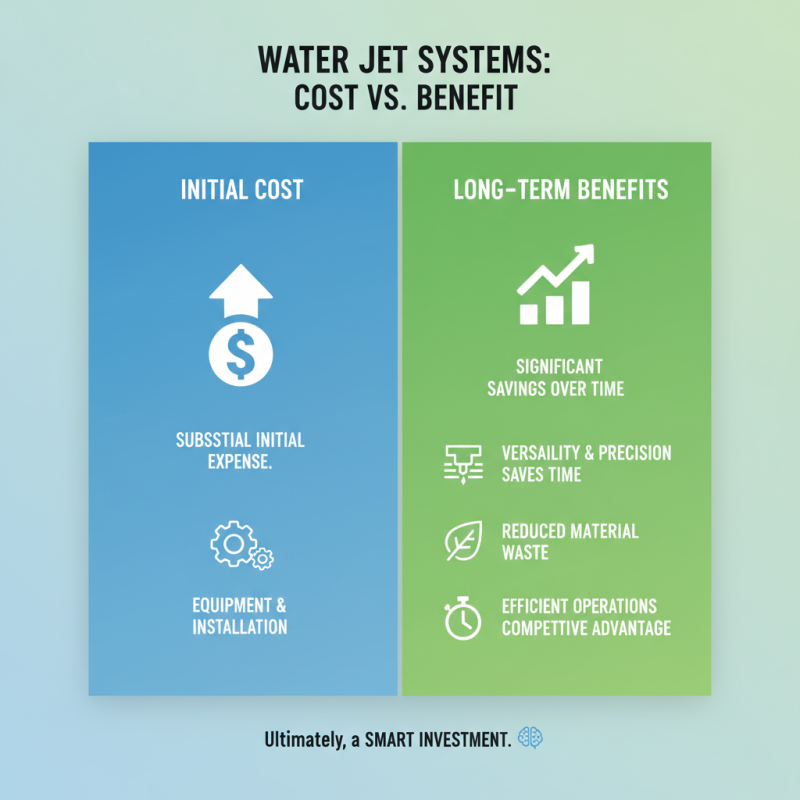
Cost Analysis: Investment vs. Long-Term Benefits of Water Jet Systems
Investing in water jet systems often raises questions about costs versus benefits. Initial expenses can be substantial. However, long-term returns can make this technology appealing. The versatility of water jet cutting saves time and reduces material waste. Over the years, companies can realize significant savings through efficient operations. This efficiency is crucial in today’s competitive market.
Now, reflecting on these benefits reveals some imperfections. Not all projects may justify such an investment. Small operations might find upfront costs overwhelming. Maintenance costs can also add up and need careful consideration. The need for skilled operators is another factor. Training these individuals requires both time and money. Yet, if managed well, the investment may prove worthwhile.
Water jet systems offer unique advantages. They significantly enhance production capability and improve precision in cuts. Many industries can benefit from these features. However, it’s essential to analyze whether the potential gains align with a business's specific needs. Each decision requires thoughtful evaluation and a clear understanding of long-term objectives.
Related Posts
-
Unlocking Precision: How Water Jet Cutting Systems Revolutionize Metal Fabrication with 0.005-Inch Accuracy
-
The Ultimate Guide to Understanding How a Water Jet Head Transforms Industrial Cutting
-
Maximize Precision and Efficiency with Local Water Jet Cutting: The Future of Material Processing
-
The Future of Cutting Technologies Exploring the Benefits of Water Jet Abrasive Systems
-
Understanding the Benefits of Water Jet Cutting Machines in Modern Manufacturing
-
What is a Jet Cutting Machine and How Does It Work in Manufacturing