Top 10 Pyrolysis Oil Refining Plants in China for Global Buyers?
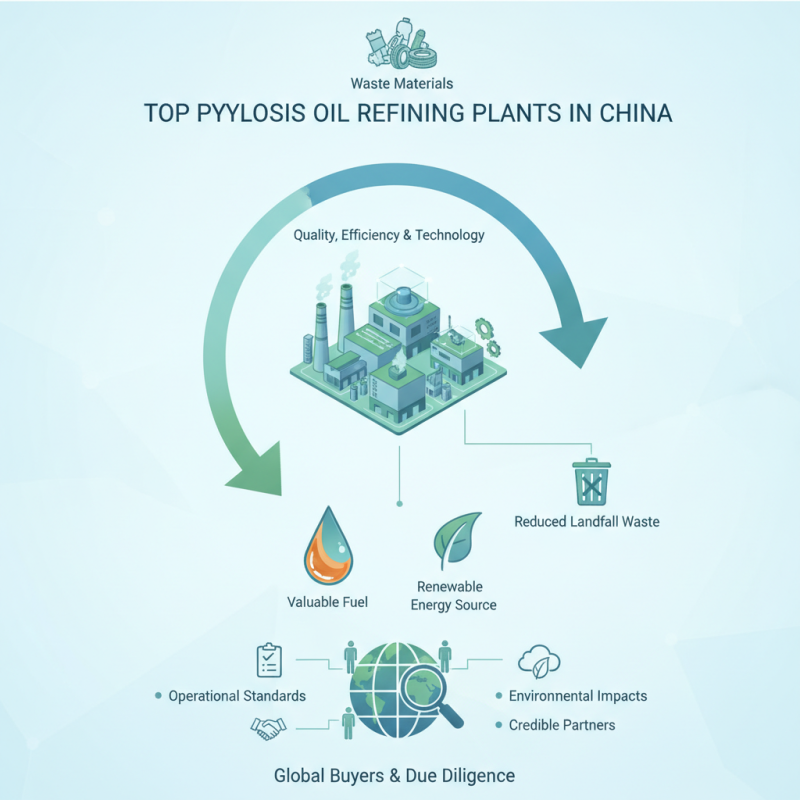
The rising demand for sustainable energy solutions has brought attention to the Pyrolysis Oil Refining Plant sector in China. These facilities play a critical role in converting waste materials into valuable fuel. This process not only reduces landfill waste but also provides a renewable energy source. Given the global shift towards greener technologies, international buyers are exploring options in China.
However, not all Pyrolysis Oil Refining Plants are created equal. Quality, efficiency, and technology vary significantly across different facilities. Buyers must consider these factors when evaluating their options. China is home to some of the most advanced plants, but it is essential to conduct due diligence.
Investing in a Pyrolysis Oil Refining Plant can be a complex decision. It requires a careful assessment of operational standards and environmental impacts. While many plants promise high returns and environmental benefits, potential buyers should seek credible partners. It is crucial to balance optimism with critical evaluation to ensure a wise investment.
Overview of Pyrolysis Oil Refining in China
The pyrolysis oil refining industry in China has seen substantial growth over the past few years. According to industry reports, the market size for pyrolysis oil refining is expected to exceed $1 billion by 2025. This reflects a rising demand for sustainable fuel alternatives, especially in the context of increasing regulatory pressures on fossil fuels. China’s efforts to promote green energy solutions have propelled this sector forward.
In addition, the technological advancements in pyrolysis processes have improved oil yield and quality significantly. Data shows that modern pyrolysis plants can convert up to 85% of waste feedstock into high-quality oil. The refining process not only reduces waste but also creates a viable energy product. However, challenges remain, including equipment costs and scaling up operations. The need for standardized operational protocols is also evident, as variations can impact efficiency.
This growing sector is transforming waste management into a profitable venture. However, not all plants maintain consistent product quality. Variances in feedstock often lead to fluctuations in oil characteristics. Quality assurance measures need to be more stringent. This highlights an area for improvement in the industry, fostering dialogue on enhancing operational standards across the board.
Key Features of Leading Pyrolysis Oil Refining Plants
In the evolving landscape of renewable energy, pyrolysis oil refining plants play a crucial role. These facilities convert waste materials into valuable fuels. A key feature of successful plants is their technology. Advanced pyrolysis reactors enhance efficiency and output quality. Many plants utilize continuous feed systems, streamlining operations and reducing downtime.
Another important aspect is the environmental compliance of these facilities. Leading pyrolysis plants adopt stringent measures to minimize emissions. They often integrate advanced filtration and gas treatment systems. This reflects a commitment to sustainability, which is crucial in today’s market. Some plants also incorporate by-product management strategies, aiming to maximize resource recovery.
Moreover, the operational expertise of the staff significantly impacts plant performance. Skilled technicians ensure optimal running conditions. However, gaps in training can lead to inefficiencies or unsafe practices. Continuous improvement and education are essential for safety. Many facilities organize regular workshops and drills. This focus on human capital strengthens overall reliability and productivity.
List of Top 10 Pyrolysis Oil Refining Plants in China
China is known for its advanced pyrolysis oil refining plants. These facilities are crucial for turning waste materials into valuable oil. A focus on sustainable practices drives many companies in this sector. The technology used is often state-of-the-art, with a strong emphasis on reducing emissions and enhancing efficiency.
In selecting the top plants, considerations include production capacity and technological innovation. Many plants feature closed-loop systems to minimize waste. Despite these advancements, some facilities face challenges such as equipment maintenance and regulatory compliance. Buyers must research the operational history of each plant. Their track records can reveal potential pitfalls and successes.
Overall, the landscape of pyrolysis oil refining in China offers promising opportunities. However, buyers should seek out plants with robust operational practices. Understanding each plant’s capabilities and challenges is essential for making informed decisions.
Comparison of Technologies Used in Pyrolysis Oil Refining
The pyrolysis oil refining process is gaining attention due to its ability to convert waste into valuable resources. Different technologies are employed in this field, with each offering distinct advantages. For instance, a report from ResearchAndMarkets highlights that continuous pyrolysis systems enhance efficiency and yield. They utilize sophisticated automation, leading to higher throughput and lower operational costs.
Another notable technology is batch pyrolysis. While it may seem less efficient, batch systems can process a variety of feedstocks. This flexibility can be crucial for smaller operations. Data indicates that batch systems often have lower upfront costs, making them accessible to startups. However, they may require more time and manual labor.
**Tips:** When selecting a pyrolysis oil refining technology, consider your specific operational needs. Research the feedstock types and local regulations. Ensure that the technology you choose aligns with your business goals for sustainability and profitability. It is essential to analyze both short-term costs and long-term benefits.
In assessing these technologies, it is vital to weigh their pros and cons. Continuous systems generally provide higher efficiency but may necessitate significant investment. Batch systems offer adaptability, but operational challenges can arise. Companies must reflect on their capacity and market demands before making a choice. Pyrolysis technology evolves, and ongoing research is essential.
Top 10 Pyrolysis Oil Refining Plants in China for Global Buyers
| Rank | Technology Type | Feedstock Types | Processing Capacity (tonnes/day) | Key Features |
| 1 | Batch Pyrolysis | Plastic Waste | 5 | High carbon recovery efficiency |
| 2 | Continuous Pyrolysis | Tyres, Rubber | 10 | Automated feed system |
| 3 | Fluidized Bed | Wood Chips | 7 | Flexible feedstock usage |
| 4 | Auger Reactor | Organic Waste | 8 | Low emission technology |
| 5 | Carbonization | Agricultural Residues | 12 | Produces bio-char as a byproduct |
| 6 | Mixed Feedstock Process | Mixed Plastics | 15 | Versatile process design |
| 7 | Thermal Decomposition | Lumber Waste | 6 | Environmentally friendly |
| 8 | Indirect Heating | Textile Waste | 9 | Improved heat efficiency |
| 9 | Vacuum Pyrolysis | Used Oils | 4 | High-quality oil output |
| 10 | Rotary Kiln | Household Waste | 11 | Robust system design |
Market Trends and Opportunities for Global Buyers in China
The market for pyrolysis oil refining in China is expanding. Global buyers are increasingly interested in sustainable energy solutions. The growing emphasis on environmental sustainability drives demand. This presents numerous opportunities for foreign investors keen on eco-friendly innovations.
When exploring partnerships, consider local regulations and market conditions. Each province has unique guidelines. It's crucial to navigate compliance issues thoughtfully. Engaging with local experts can minimize risks. This approach enhances your understanding of market dynamics.
Tips: Research potential partners thoroughly. Look for companies with a strong track record and expertise. Communication is vital; a shared vision can lead to successful collaborations. Always review market trends periodically to adapt to changes. Explore case studies of successful projects to gain insights.