Top 10 Power Generators for Home and Business?
Reliable electricity is no longer a luxury for many homes and businesses.
A failed grid connection can stop refrigeration, medical equipment, internet access, or daily production.
The International Energy Agency’s Electricity 2024 report expects global electricity demand to grow by about 3.4% annually through 2026.
That pressure makes dependable backup planning increasingly important.
This guide examines the Top 10 Power Generators for Home and Business use.
It compares useful output, fuel type, runtime, noise, portability, transfer-switch compatibility, and maintenance needs.
The assessment also considers guidance from the U.S. Energy Information Administration and safety recommendations from the U.S. Consumer Product Safety Commission.
These sources reinforce one practical point: generator capacity must match real electrical loads, not optimistic guesses.
A quiet inverter model may suit a home office, while a commercial standby unit may support pumps, servers, or refrigeration.
Small details matter.
A generator rated at 7,000 watts may deliver less usable power after startup surges.
Fuel storage, ventilation, weather protection, and professional installation also affect reliability.
No ranking is perfect.
Local climate, electrical codes, fuel access, and budget can change the best choice.
Some specifications also vary between manufacturers and testing conditions.
Readers should verify current manuals, certifications, warranties, and service coverage before purchasing.
The selections ahead aim to make that decision clearer, safer, and more evidence-based.
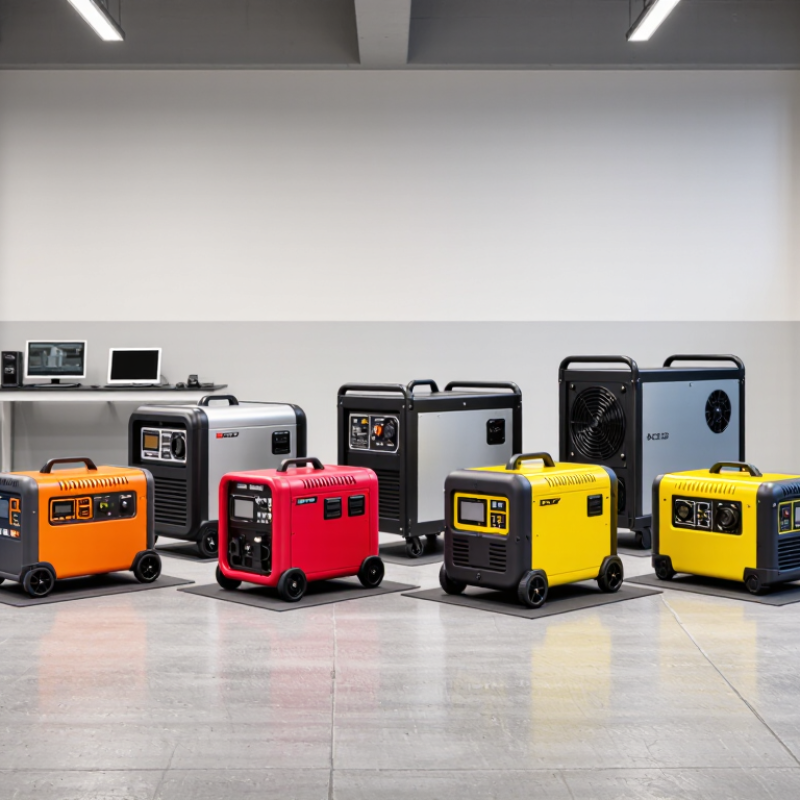
Generator Types and Their Roles in Homes and Businesses
Top 10 Power Generators for Home and Business?
Generator Types and Their Roles in Homes and Businesses
Power generators serve different needs, and size alone does not determine the best choice. Portable gasoline units suit short outages, outdoor work, and basic household appliances. Inverter generators produce cleaner electricity for sensitive electronics, such as laptops and medical equipment. Standby generators connect to a building’s electrical system and start automatically during an outage. They support refrigerators, pumps, security systems, or selected circuits. Diesel generators are practical for businesses needing long operating periods and strong load performance. Natural gas models can offer convenient fuel access, but supply interruptions remain possible.
Commercial sites often use larger three-phase generators for machinery, refrigeration, elevators, and lighting. Hybrid systems combine fuel generation with batteries or solar input. They can reduce noise and fuel use during lighter loads.
In field inspections, technicians often find that poorly planned load estimates cause more trouble than generator failure. My early estimates were sometimes too optimistic. Starting motors can briefly demand several times their running power.
Tips: List essential appliances before choosing a generator. Check starting and running watts separately. Leave capacity for future equipment. Place portable units outdoors, far from windows and doors, because exhaust gases are dangerous. A qualified electrician should install transfer equipment and verify grounding. Test standby systems regularly, but do not assume a successful start proves full readiness. Fuel age, battery condition, ventilation, and weather protection still matter. Noise also deserves attention near homes, offices, and customer areas.
Key Specifications for Comparing the Top 10 Power Generators
Comparing the top 10 power generators requires more than reading their maximum wattage. Check rated watts first, because this figure reflects sustained output for refrigerators, pumps, and office equipment. Surge watts matter when motors start. A refrigerator may briefly demand twice its running power. I have seen buyers size systems using peak numbers alone. That mistake can cause overloads.
Fuel type changes the practical value of each generator. Gasoline models often provide strong output, while dual-fuel systems offer useful flexibility during long outages. Compare runtime at 50% load, not only the tank capacity. A larger tank is not always better. It may increase weight and storage concerns. Noise ratings below 65 decibels are more comfortable near homes, but test conditions differ between manufacturers.
For sensitive electronics, total harmonic distortion below 5% is a valuable benchmark. Review outlet types, circuit protection, and whether the unit supports a professionally installed transfer switch. In wetter environments, inspect weather resistance and placement guidance carefully. An electric start is convenient, yet the battery can fail after months of neglect. Maintenance intervals, oil capacity, cold-start behavior, and available service support also reveal long-term reliability. Portable wheels help on concrete, but uneven ground exposes weak frames quickly. A comparison table should record dimensions, weight, warranty terms, and measured runtime under similar loads. The figures are useful, but they are not perfect. Real homes rarely use steady power.
Top 10 Power Generators by Use Case and Performance
Top 10 Power Generators for Home and Business?
The best generator depends on the job, not just its advertised wattage. For home backup, inverter generators provide cleaner power for laptops, routers, and sensitive appliances. A standby generator suits longer outages because it starts automatically and connects to a transfer switch. Portable open-frame models offer strong output for refrigerators, pumps, and basic tools. They are usually louder. That matters at night.
For construction sites, a heavy-duty portable generator handles drills, saws, compressors, and temporary lighting. Work crews should check both running watts and starting watts. Motors can demand two or three times more power briefly. For farms, a diesel unit may support large pumps and ventilation systems for extended periods. Recreational users often prefer compact dual-fuel models, especially where storage space is limited. Solar battery systems work quietly indoors, but recharge time can become a serious weakness during cloudy weather. Small camping generators should power only carefully selected loads.
Performance also includes fuel runtime, noise level, voltage stability, emissions, and maintenance access. My own ranking is not absolute. A quiet inverter model may outperform a larger unit for home office use, while a basic portable generator may win during a workshop project. I once underestimated startup demand from a sump pump. The generator overloaded within seconds. That mistake changed how I size equipment. Always record each appliance’s running and surge requirements, then leave practical capacity for cold starts, aging components, and unexpected loads. Safety procedures, outdoor placement, grounding, and professional installation remain essential.
Safety Standards, Installation Needs, and Buying Considerations
Top 10 Power Generators for Home and Business?
Choosing a generator means more than comparing wattage. Check ten points: rated output, starting surge, fuel type, runtime, noise, enclosure, emissions, grounding, maintenance, and certification. The 2023 National Electrical Code, NFPA 70, requires transfer equipment that prevents dangerous backfeeding. A qualified electrician should install standby systems and verify the neutral-ground arrangement. Portable units belong outdoors, at least 20 feet from doors, windows, and vents, with exhaust directed away from buildings. Never place one in a garage, even with the door open.
Carbon monoxide deserves serious attention. The U.S. Consumer Product Safety Commission reported an average of about 100 portable-generator-related deaths annually from 2011 to 2021. Choose a model with carbon-monoxide shutoff protection, but do not treat it as a substitute for distance. Install carbon-monoxide alarms on every living level. For businesses, NFPA 110 guidance supports emergency power planning, regular testing, and documented maintenance. A transfer switch, fuel storage plan, and load-priority schedule can prevent chaotic startup.
Buying labels can mislead. A “quiet” rating may reflect light load conditions. Ask for sound levels at 25%, 50%, and full load. Confirm continuous watts, not only peak watts. Leave capacity for pumps, refrigerators, servers, or medical equipment. Fuel quality and cold-weather starting are practical concerns. Small mistakes happen. Many buyers size for normal use, then forget motor surge. That assumption needs a second look. EPA emissions certification and recognized electrical testing add credibility, but local inspection rules still control the installation.
Top 10 Power Generator Configurations for Home and Business
Representative generator configurations ranked by typical continuous electrical output. These figures describe common capacity classes rather than company or brand performance.
Portable units are generally suitable for selected appliances and must be operated outdoors with adequate clearance and carbon-monoxide protection. Permanently installed standby systems require a properly sized transfer switch, compliant fuel installation, grounding and bonding, and inspection under applicable requirements such as NFPA 37 and NEC Article 702. Product certification, local permitting, ventilation, noise, fuel storage, maintenance access, and starting-current requirements should be checked before purchase.