Top Flat Bar Supplier in China for Global Procurement Needs?
The demand for flat bars continues to rise globally, making it essential to identify a reliable Flat Bar Supplier in China. As industries evolve, sourcing materials from reputable suppliers becomes crucial. Flat bars are versatile and extensively used in construction, manufacturing, and fabrication.
In today's fast-paced market, procurement needs require a careful balance of quality and cost. Chinese suppliers are increasingly recognized for their ability to meet diverse global requirements. Many companies benefit from partnering with a flat bar supplier in China due to competitive pricing and high production standards. However, not all suppliers offer the same level of quality and service.
Selecting the right supplier is a process that requires significant consideration. Factors such as production capacity, certification, and customer reviews must be evaluated. It's not always straightforward to find a supplier that fits all criteria. Companies must remain vigilant and conduct thorough research. This ensures they partner with a trustworthy flat bar supplier capable of meeting their specific needs in a dynamic industry landscape.
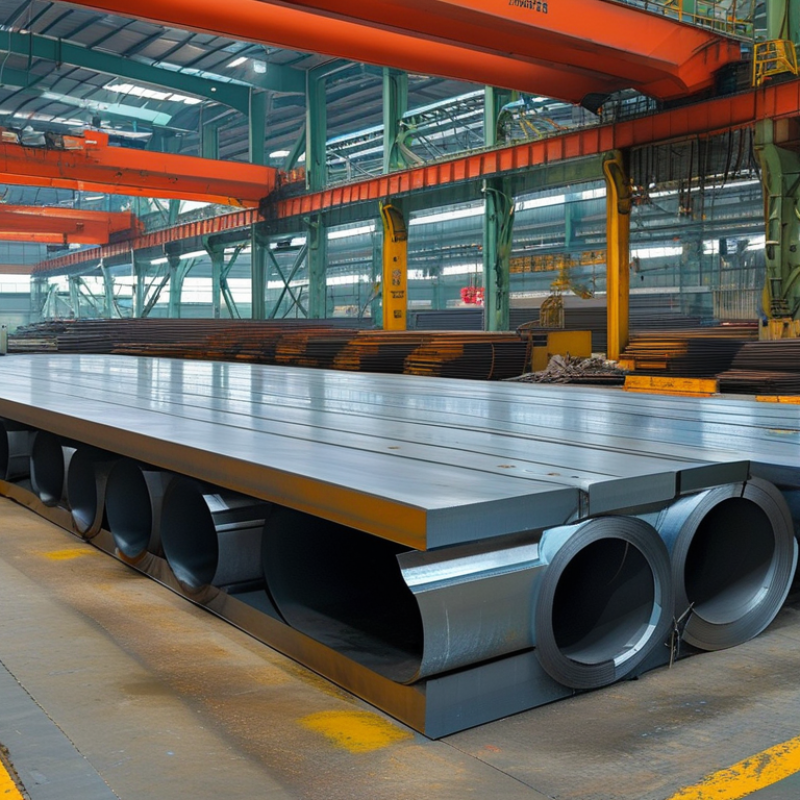
Overview of Flat Bar Products and Their Applications
Flat bars are essential products in various industries, including construction, manufacturing, and automotive. They offer versatility and strength, making them ideal for applications like framing, machinery components, and structural reinforcements. According to a 2022 industry report by Market Research Future, the global flat bar market is projected to reach $5 billion by 2027, driven by rising construction activities and infrastructure development.
Flat bars come in different dimensions and materials, such as steel and aluminum. Their adaptability allows for customization in sizes and thicknesses to meet specific project requirements. Common applications include guardrails, brackets, and even art installations. The construction sector, in particular, sees an increasing demand for flat bars due to urbanization trends and the need for durable building materials.
When selecting a flat bar supplier, consider factors such as reliability, material quality, and supply consistency. Communication is key. Ensure that the supplier understands your specifications clearly. Additionally, maintain an organized inventory to avoid shortages and overstock issues. Investing in process efficiency can yield long-term benefits in procurement and project execution. Proper planning and evaluation of supplier capabilities can prevent potential disruptions in your supply chain.
Top Flat Bar Supplier in China for Global Procurement Needs? - Overview of Flat Bar Products and Their Applications
| Product Type | Material | Dimensions (mm) | Application | Weight (kg/m) |
| Flat Bar | Carbon Steel | 50 x 10 | Construction | 3.85 |
| Flat Bar | Stainless Steel | 100 x 20 | Manufacturing | 7.85 |
| Flat Bar | Aluminum | 200 x 10 | Aerospace | 2.70 |
| Flat Bar | Alloy Steel | 75 x 15 | Automotive | 5.25 |
| Flat Bar | Tool Steel | 50 x 5 | Tooling | 3.10 |
Criteria for Selecting a Top Flat Bar Supplier in China
When selecting a flat bar supplier in China, it is essential to consider various criteria that ensure reliability and quality. Quality certifications, such as ISO 9001, reflect a supplier's commitment to standards. A significant percentage of top suppliers in the metal industry meet these certifications, which indicates adherence to necessary manufacturing processes.
Pricing is another critical factor. Recent industry reports suggest that competitive pricing can influence procurement decisions by up to 35%. However, low prices should not compromise quality. It's imperative to obtain samples to evaluate the raw material before making bulk purchases, as varying steel grades can affect end-product performance.
Additionally, communication plays a vital role. A supplier's responsiveness and ability to understand client needs can determine the success of a procurement process. Many buyers express concerns about delays in communication, often leading to misunderstandings. Establishing a clear line of communication can mitigate these risks. The ability to engage in technical discussions can also reflect a supplier's expertise and reliability in the market.
Top Flat Bar Supplier in China for Global Procurement Needs
Key Manufacturers and Their Market Position in China
China has established itself as a leading supplier of flat bars, playing a crucial role in global procurement. The competitive landscape is diverse, with numerous manufacturers vying for a share of the market. Many of these companies specialize in various materials, such as stainless steel and aluminum, catering to different industries, including construction and automotive.
Several key manufacturers have emerged with strong market positions. Some focus on high-quality products aimed at premium markets. Others compete on price, appealing to cost-conscious buyers. Understanding the unique offerings of these manufacturers is essential for buyers looking to make informed decisions. However, not all suppliers maintain the same standards, which can lead to significant discrepancies in product quality.
Navigating this landscape requires careful consideration. Potential buyers should assess each supplier’s reputation, production capabilities, and customer service. Quality certifications can be a good indicator of reliability, yet they are not always foolproof. Engaging with multiple suppliers might reveal varying levels of professionalism and commitment. This process serves to highlight the importance of due diligence in establishing long-term partnerships with reliable flat bar suppliers.
Quality Control Standards in Flat Bar Production
Quality control is essential in flat bar production. As the global demand for flat bars rises, strict adherence to quality standards affects both production costs and supply reliability. Industry studies show that over 30% of production failures stem from inadequate quality checks. This highlights the need for robust control measures during the manufacturing process.
Manufacturers typically conduct various tests to ensure flat bars meet international specifications. These include dimensional inspections, mechanical property assessments, and surface quality evaluations. Reports indicate that companies implementing rigorous quality protocols see a 25% reduction in defects. Yet, many suppliers still face challenges in achieving consistent quality. Issues such as raw material variability and outdated production techniques often arise.
Moreover, achieving compliance with international standards remains a challenge. Many manufacturers fail to update their processes according to the latest industry regulations. The lack of continuous training for staff can also hinder performance. In some cases, suppliers underestimate the impact of poor quality on their reputation and market competitiveness. Addressing these aspects can lead to significant improvements in overall production efficacy.
Global Procurement Strategies for Flat Bars from China
When it comes to sourcing flat bars from China, understanding global procurement strategies is crucial. Companies often seek reliable suppliers who deliver quality products at competitive prices. Successful procurement hinges on evaluating supplier credentials. This includes assessing their manufacturing capabilities, quality control measures, and past customer experiences.
Many businesses rely on hard data to choose suppliers. Reviewing past shipment records can highlight a supplier's reliability. Furthermore, engaging in direct communication with suppliers can reveal much about their operational transparency. However, navigating the vast landscape of suppliers can be daunting. It's essential to reflect on the specific needs of your project, whether it's material specifications or delivery timelines.
Building partnerships is also important. Long-term relationships with suppliers often lead to better pricing and priority during high-demand seasons. Yet, challenges may arise, such as fluctuating prices or inconsistent quality. Companies must remain vigilant, continuously analyzing supplier performance and market trends to adapt their strategies effectively.