Top 10 Drifting Data Buoys for Global Buyers Insights?
The ocean is a vast and dynamic environment. Understanding its behavior is crucial for various applications, including climate studies and navigation. Drifting Data Buoys play an essential role in gathering real-time information from the sea. These high-tech instruments provide valuable data on temperature, salinity, and currents, aiding scientists around the globe in their research.
Selecting the right Drifting Data Buoy is vital for effective data collection. Various models cater to different needs, offering features such as advanced tracking and reliable communication systems. However, buyers must consider factors like durability and maintenance when making decisions. Not all buoys are created equal, and some may not perform as expected under harsh conditions.
Moreover, the market is constantly evolving. New technologies emerge, and keeping up with the latest innovations can be challenging. It is crucial for buyers to remain informed and scrutinize their options carefully. In this article, we explore the top 10 drifting data buoys, providing insights for informed purchasing decisions. Each buoy's unique features contribute to its utility, helping to enhance our understanding of the world's oceans.
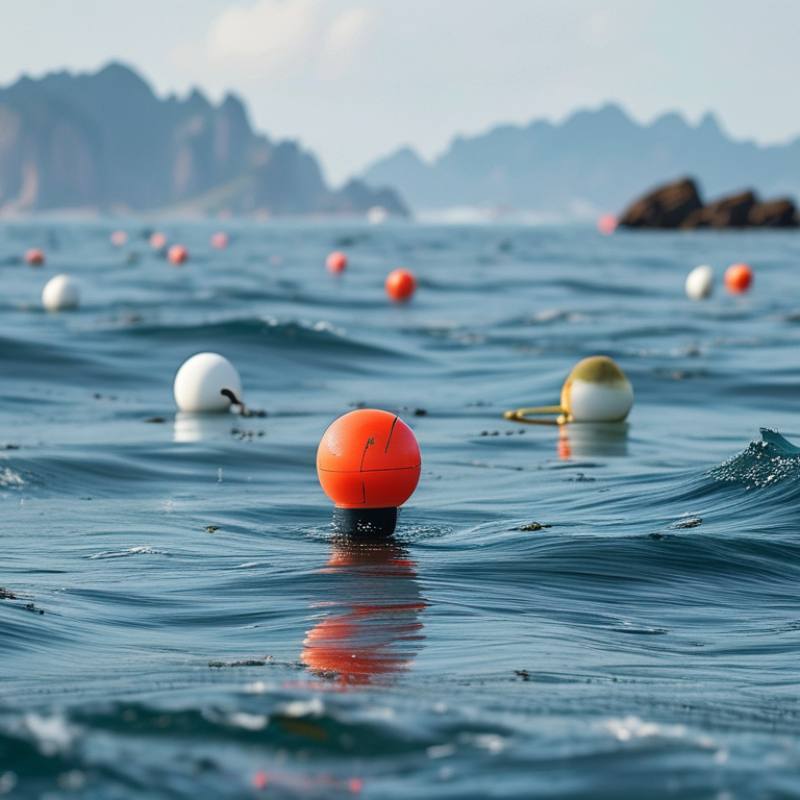
Top 10 Drifting Data Buoys: A Comprehensive Overview
Drifting data buoys play a crucial role in oceanography. They gather valuable information about sea temperature, salinity, and currents. These buoys are essential for climate research and weather forecasting. They drift with ocean currents, providing real-time data to scientists. Correlating this data helps researchers understand climate patterns better.
When considering drifting buoys, one has to examine their features closely. Buoy durability is vital. Buoys must withstand harsh ocean conditions. Battery life and sensor accuracy also matter. Some models may struggle in extreme weather, impacting data integrity. This inconsistency can lead to unforeseen challenges.
Investing in reliable drifting buoys can be tricky. The market offers various options, each with its advantages and drawbacks. Buyers should evaluate specific needs first. Specifications should match their research objectives. Partnerships with experienced suppliers can provide additional insights. Combining expertise with the right data tools is often necessary for success.
Top 10 Drifting Data Buoys: Global Insights
Key Features to Consider When Selecting Drifting Data Buoys
Selecting the right drifting data buoys involves careful consideration of several key features. Data accuracy is crucial. Studies show that buoys with advanced sensors provide up to 95% accuracy in wave and temperature measurements. This precision is vital for research and climate monitoring. However, it's essential to note that accuracy can vary across models. So, comparing specifications is necessary.
Another important factor is the buoy's durability. Many reports indicate that buoys may last between three to five years in harsh ocean environments. Look for materials resistant to UV light and corrosion. Battery life also plays a significant role. Some models operate for up to two years without maintenance. Yet, this reliability can decline in extreme conditions.
Connectivity is another critical feature to examine. Buoys equipped with multiple communication options can transmit data more effectively. Ocean conditions can change rapidly. A buoy’s ability to relay real-time data can enhance decision-making for scientists and policymakers. However, the sheer variety of options may overwhelm buyers, making it vital to prioritize essential features based on specific needs.
Comparison of Leading Drifting Data Buoy Brands and Models
Drifting data buoys play a crucial role in oceanographic research. They collect vital information about sea temperature, salinity, and currents. This data aids scientists in understanding climate change. The variety of buoys can be overwhelming for buyers. Features and capabilities differ significantly between models.
When comparing buoy brands, key factors arise. The accuracy of sensors, battery life, and data transmission methods are essential considerations. Some models offer advanced technology, while others may rely on simpler designs. Durability is another concern. Buoys face harsh ocean environments and must withstand these conditions.
Buyers might find certain models appealing at first glance. However, it’s essential to read reviews and seek expert insights. Some buoys may lack essential features despite a solid appearance. Others might underperform in data accuracy. Reflecting on these factors can save time and resources in the long run. Understanding specific needs is crucial before making a decision.
Top 10 Drifting Data Buoys for Global Buyers Insights
| Model | Location Tracking | Data Accuracy | Battery Life | Material | Weight (kg) |
| Buoy Model A | GPS/GLONASS | ± 1 m | 2 years | Polyethylene | 15 |
| Buoy Model B | Satellite | ± 0.5 m | 1.5 years | Aluminum | 20 |
| Buoy Model C | GPS | ± 1.5 m | 3 years | PVC | 12 |
| Buoy Model D | GLONASS | ± 0.7 m | 2.5 years | Fiberglass | 18 |
| Buoy Model E | Hybrid | ± 1.2 m | 2 years | Composite | 16 |
| Buoy Model F | Satellite | ± 1.0 m | 3 years | Steel | 25 |
| Buoy Model G | GPS/GLONASS | ± 0.9 m | 4 years | Polypropylene | 14 |
| Buoy Model H | GPS | ± 1.3 m | 2 years | Fiberglass | 19 |
| Buoy Model I | Hybrid | ± 0.8 m | 3 years | Composite | 17 |
| Buoy Model J | Satellite | ± 0.6 m | 2 years | Polyethylene | 13 |
Applications and Uses of Drifting Data Buoys in Oceanography
Drifting data buoys play a vital role in oceanography. They collect real-time data on various marine conditions. These buoys monitor temperature, salinity, and currents. Such data is crucial for understanding climate change and its impact on oceans. Researchers rely on this information to make informed predictions about weather patterns. However, maintaining the accuracy of these devices poses challenges.
These buoys also support the study of marine life. They help track animal migrations and feeding patterns. Scientists use this data to assess the health of marine ecosystems. Yet, relying solely on technology can lead to oversights. Human observation remains valuable. Balancing data from buoys with traditional research methods is essential for comprehensive studies.
Moreover, applications extend to oil spill tracking and search-and-rescue operations. Buoys provide crucial information in emergencies. They enhance safety protocols and environmental protection efforts. Yet, their deployment requires careful planning. Strategic placement and regular maintenance are vital for effectiveness. Ensuring reliable operation can be a complex task. The technology is advancing, but reflection on its limitations is necessary.
Buyer Insights: Cost, Maintenance, and Support for Data Buoys
When it comes to drifting data buoys, buyer insights are crucial for making informed decisions. Understanding the cost of these buoys can help you allocate your budget effectively. Prices often vary based on features, durability, and intended use. A basic buoy may start at a few thousand dollars, while advanced models can exceed tens of thousands. Evaluating your specific needs can save money in the long run.
Maintenance is another key consideration. Some buoys require regular upkeep to ensure they function correctly. This can involve hardware checks and software updates. A well-maintained buoy will provide more reliable data. However, you may face challenges if the maintenance requirements are too demanding. Balancing reliability with the cost of upkeep can be tricky.
Support and service after the purchase play a significant role. Some manufacturers offer extensive customer support, helping you troubleshoot issues quickly. This can be invaluable, especially in remote operations. On the flip side, limited support may lead to downtime, affecting data collection efforts. It is essential to consider how much support you might need. Addressing these factors can lead to better choices when investing in drifting data buoys.