
China Top Crushing Machine Manufacturers for Global Buyers
China has become a major sourcing base for global crushing equipment buyers. Its manufacturers offer jaw crushers, cone crushers, impact crushers, and mobile plants. These machines serve quarrying, mining, recycling, and infrastructure projects.
Fortune Business Insights valued the global stone crushing equipment market at approximately USD 5.55 billion in 2023. The report projects growth to about USD 8.58 billion by 2032. This expansion reflects urban construction, road development, and recycled aggregate demand. However, market estimates differ between research firms. That difference deserves attention.
Metso President and CEO Mikko Keto has said, “Sustainability is not a choice; it is a necessity for the future of our industry.” This principle applies directly to Crushing Machine selection. Buyers should examine energy use, wear-part consumption, dust control, and service support. A lower purchase price may create higher operating costs later.
Chinese suppliers increasingly compete through automation, modular designs, remote monitoring, and export-oriented service networks. Yet product quality remains uneven. Not every factory delivers the same steel strength, bearing life, or commissioning support. Buyers need factory audits, test records, spare-parts plans, and verified customer references.
The World Bank’s infrastructure outlook also supports continuing demand for aggregate-processing equipment in emerging markets. Still, demand can change quickly. Freight costs, local standards, and mineral properties affect final performance. This guide evaluates China’s leading manufacturers through practical evidence, technical capability, certifications, and international reliability. It is not a perfect ranking. Field conditions vary, and buyer judgment remains essential.
Types of Crushing Machines Offered by Chinese Manufacturers
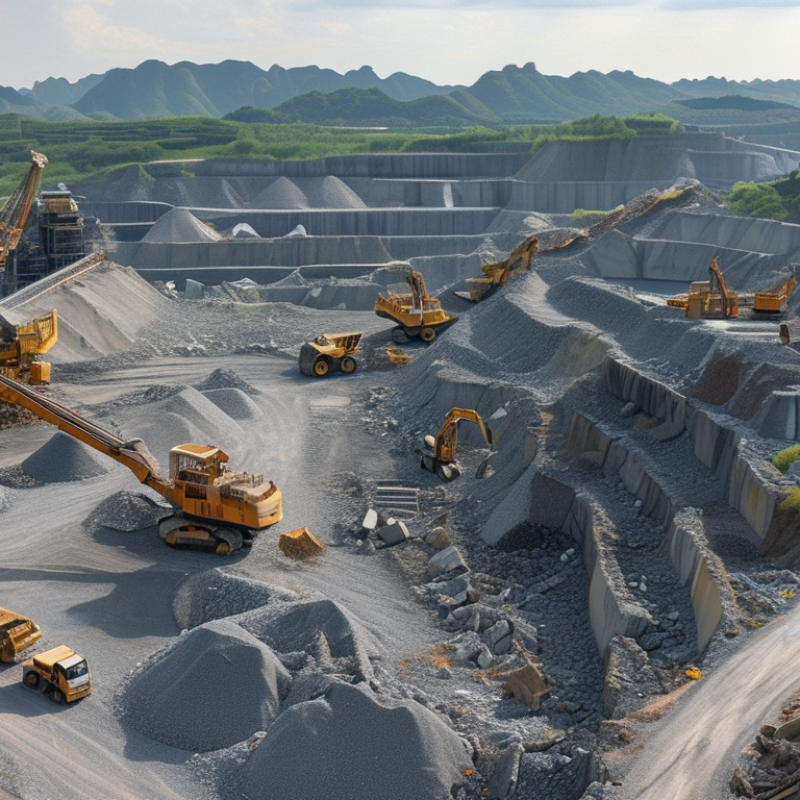
Chinese crushing machine manufacturers supply several designs for different feed sizes and rock conditions. Jaw crushers use compression for primary crushing. They suit granite, limestone, and recycled concrete. Cone crushers provide finer, consistent output for secondary and tertiary stages. Impact crushers use high-speed striking action. They often create better-shaped aggregate for road projects. Hammer crushers handle softer limestone and selected industrial minerals. Gyratory crushers serve very large primary plants. Mobile jaw, cone, and impact units add flexibility at changing sites.
Market demand remains substantial. The U.S. Geological Survey reported about 1.9 billion metric tons of crushed stone production in 2023. Construction sand and gravel production reached roughly 960 million metric tons. These figures show why capacity, wear life, and maintenance access matter. A larger machine is not always better. High moisture can reduce screening efficiency and cause blockages. Hard, abrasive rock can quickly damage poorly selected impact equipment. Engineers should compare feed size, compressive strength, moisture, output gradation, and required hours per day.
Tips: Request a material test before ordering. Check real energy use, not only rated capacity. Ask for wear-part drawings and replacement times. Confirm local service training and spare-part lead times. A confident selection can still be wrong when laboratory data replaces site conditions. Leave room for adjustment.
Key Technologies and Performance Factors to Compare
When comparing top crushing machine manufacturers, global buyers should examine technology beyond headline capacity. Jaw, cone, and impact crushers suit different feed materials and reduction targets. Hydraulic setting adjustment can maintain a stable product size during changing conditions. Overload protection helps protect the chamber when uncrushable material enters unexpectedly. Sensor-based monitoring also tracks vibration, temperature, and power consumption. These details support safer decisions and more reliable production.
Tips: Request test results using your actual material. Check feed size, moisture, hardness, and desired output. A larger machine is not always better. Ask for liner life, service intervals, spare-part availability, and realistic energy data. Factory claims can look impressive, but operating evidence matters more.
Performance should be measured through usable output, not theoretical tonnes per hour. Compare reduction ratio, product shape, fines percentage, noise, dust control, and recovery time after stoppages. A machine producing uniform aggregates may reduce screening adjustments later. Easy access to wear parts can shorten maintenance work by several hours. In my experience, neglected details often decide long-term cost. I have also seen buyers focus too heavily on capacity. That choice can fail when the site has limited power or inconsistent feed. Reliable manufacturers should provide clear manuals, traceable test data, training, and responsive technical support. Ask difficult questions. Then verify the answers.
| Machine Type | Primary Application | Typical Feed Size | Typical Capacity Range | Common Motor Power | Reduction Ratio | Key Technology to Compare | Typical Product Shape | Operating & Maintenance Factors |
|---|---|---|---|---|---|---|---|---|
| Jaw Crusher | Primary crushing of hard rock, recycled concrete, ores and quarry materials | Up to approximately 1,200 mm, depending on model and opening size | About 50–1,500 t/h | Approximately 75–400 kW | About 3:1 to 6:1 | Deep crushing chamber, hydraulic setting adjustment, high-strength eccentric shaft and overload protection | Coarse and angular; suitable for secondary crushing feed | Check jaw plate life, toggle protection, CSS adjustment range, lubrication access and availability of wear parts |
| Cone Crusher | Secondary, tertiary and quaternary crushing of abrasive hard rock and ores | Typically 50–560 mm, depending on chamber configuration | About 50–1,200 t/h | Approximately 90–1,000 kW | About 3:1 to 5:1 per crushing stage | Hydraulic tramp-release system, automated CSS control, cavity design and anti-spin technology | Well-graded, cubical to elongated, depending on chamber and closed-side setting | Compare liner wear rate, feed distribution requirements, hydraulic protection, power draw and control-system integration |
| Impact Crusher | Soft to medium-hard limestone, recycled aggregates and materials requiring cubical output | Typically 100–1,000 mm | About 80–800 t/h | Approximately 110–630 kW | About 10:1 to 30:1 | Rotor balancing, impact-bar design, adjustable apron system and hydraulic opening mechanism | Highly cubical with good particle shape | Usually offers high reduction in one stage, but wear can rise with abrasive feed; inspect blow-bar material and apron protection |
| Hammer Crusher | Primary or secondary crushing of limestone, coal, gypsum and other relatively soft materials | Typically 100–1,000 mm | About 10–600 t/h | Approximately 45–800 kW | About 10:1 to 50:1 | Rotor inertia, hammer configuration, grate or screen design and overload protection | Fine to medium product with a relatively high proportion of fines | Simple structure and high reduction, but hammer and grate wear should be evaluated for abrasive or wet feed |
| Vertical Shaft Impact Crusher | Manufacturing high-quality sand and shaping aggregate in the final crushing stage | Usually below 60 mm | About 30–600 t/h | Approximately 75–800 kW | About 4:1 to 8:1 | Rock-on-rock or rock-on-steel crushing chamber, rotor tip speed control and cascade-feed adjustment | Highly cubical and suitable for manufactured sand | Compare sand-fineness control, rotor wear protection, feed grading, recirculation requirements and energy consumption |
| Mobile Jaw Crushing Plant | Flexible primary crushing for quarrying, demolition, road construction and remote projects | Up to approximately 1,000–1,200 mm | About 100–600 t/h | Approximately 150–500 kW | About 3:1 to 6:1 | Tracked or wheeled chassis, hydraulic folding conveyors, remote control and onboard dust-control options | Coarse and angular | Evaluate transport dimensions, setup time, crawler or axle design, fuel efficiency, service access and site mobility |
| Mobile Cone Crushing Plant | Mobile secondary or tertiary processing for aggregates, mining and construction recycling | Typically 50–350 mm | About 100–500 t/h | Approximately 250–750 kW | About 3:1 to 5:1 | Integrated screening, closed-loop operation, hydraulic cone adjustment and automated process monitoring | Well-graded and relatively cubical | Compare feed-hopper volume, inter-stage conveyors, liner replacement time, machine weight and remote diagnostics |
| Fine Crusher / Sand Maker | Fine crushing and manufactured-sand production from limestone, river stone and selected hard rock | Generally below 150 mm | About 20–300 t/h | Approximately 75–400 kW | About 5:1 to 20:1 | Adjustable discharge gap, grading control, wear-resistant chamber parts and dust-suppression system | Fine, cubical and adjustable according to the discharge setting | Check moisture tolerance, final product grading, fines control, wear-part cost and compatibility with a screening circuit |
Note: The figures are typical industry ranges for comparison only. Actual performance depends on material hardness, abrasiveness, moisture content, feed gradation, closed-side setting, chamber design, operating conditions and plant configuration.
How to Evaluate China-Based Crushing Machine Manufacturers
Evaluating China-based crushing machine manufacturers requires more than comparing quotations. Grand View Research’s 2024 analysis forecasts continued growth in the global crushing, screening, and mineral processing equipment market. Demand is rising, but supplier quality varies widely. Ask for a complete machine specification, including feed size, output range, motor power, liner material, and expected wear life. A low price means little if replacement parts arrive late.
Factory evidence matters. Request a live video inspection or an independent audit report. Check welding quality around the frame, gearbox protection, bearing seals, and the control cabinet’s wiring. Experienced suppliers should provide test records using material similar to yours. World Mining Data 2024 shows mineral production remains measured in billions of tonnes. Even a small efficiency loss can become expensive at that scale.
Check technical support before signing. Confirm installation guidance, spare-parts inventory, response times, and the language used by service engineers. Ask for references from comparable quarries or processing plants, without accepting edited testimonials alone. Independent certification can support credibility, but certificates should match the exact model and production site. A spreadsheet can still mislead. I would also inspect the factory twice, because one visit may show only its best day. Long-term reliability needs evidence, not confidence.
Quality Standards, Customization, and Production Capabilities
Global buyers are demanding more than a low purchase price from crushing machine manufacturers. A 2024 report by Fortune Business Insights estimated the global crushing, screening, and mineral processing equipment market at over USD 20 billion. This growth increases pressure on factories to prove stable quality, not merely display production capacity. ISO 9001-based quality systems can support traceability, while documented welding procedures and material certificates improve buyer confidence.
Reliable manufacturers test key parts before shipment. They measure jaw plate hardness, shaft runout, bearing temperature, vibration, and motor load. Factory acceptance tests should record feed size, output size, throughput, and power consumption. These details matter on a real site, where dusty conditions and uneven feed can expose weak design quickly. ASTM and EN testing methods may also help verify wear materials, although requirements vary by destination.
Customization should begin with site data, not a sales sketch. Engineers need rock abrasiveness, moisture, maximum feed size, target capacity, discharge range, and local voltage. A 2023 International Energy Agency report highlighted continuing efficiency pressure across industrial equipment. Therefore, variable-speed drives, optimized chamber design, and easier maintenance can reduce operating losses. Production capability is more than a large workshop. It includes machining accuracy, spare-part control, hydraulic testing, and final inspection. No factory is perfect. Buyers should still request inspection records, sample reports, and references from comparable projects. Small gaps in documentation deserve careful questions.
China Crushing Machine Manufacturers: Typical Production Capabilities
Indicative throughput ranges commonly specified for crushing equipment supplied to global buyers. Actual capacity depends on material hardness, feed size, discharge setting, and equipment configuration.
Jaw, cone, impact, and mobile crushers are widely used in mining, aggregate, and recycling applications. International procurement commonly evaluates throughput together with quality management, CE-related conformity requirements, customization options, and after-sales support.
Export Services, Installation, and After-Sales Support
China Top Crushing Machine Manufacturers for Global Buyers
Export service is more than shipping a crusher in a wooden case. The 2023 World Bank Logistics Performance Index evaluates customs, infrastructure, and delivery timeliness. These factors directly affect project start dates. Reliable manufacturers should provide verified packing lists, HS codes, loading photos, and export documents before departure. A clear spare-parts schedule also reduces costly delays at remote sites.
Installation support needs practical detail. Technicians should confirm foundation levels, electrical standards, belt direction, feed size, and safety clearances. Remote video guidance can help, but it cannot replace every field inspection. The International Energy Agency reports that cement production creates about 2.5 gigatonnes of direct CO2 emissions annually. Efficient crushing and screening can reduce rehandling, fuel use, and unnecessary material movement. Still, actual savings depend on feed hardness and operator habits.
Tips: Request a commissioning checklist, training records, and a twelve-month spare-parts forecast. Ask how quickly technical support responds across time zones. Review warranty exclusions carefully. A polished export plan can still fail when local voltage or foundation drawings are ignored. After-sales teams should provide operating manuals, wear-part recommendations, remote diagnostics, and scheduled performance reviews. The 2023 Global Status Report for Buildings and Construction highlights the sector’s continuing pressure to reduce resource and emissions intensity, making measurable equipment efficiency increasingly important for global buyers.

