Top China Concrete Plant Mixing Rotor Options for Your Needs?
When considering the selection of a China Concrete Plant Mixing Rotor, it's crucial to understand the various options available. High-quality rotors play a significant role in determining the efficiency and longevity of concrete mixing processes. They influence the uniformity of the mix, impacting overall project quality. The market offers various designs and materials, each with unique advantages and potential drawbacks.
In choosing the right mixing rotor, it's essential to assess specific project needs. Different construction projects may require different mixing characteristics. Whether it’s for small-scale applications or large industrial requirements, each rotor option should be evaluated for its performance and reliability. Familiarizing yourself with leading brands and their innovations adds a layer of expertise in making the right choice.
Navigating the array of available options can be overwhelming. Some may focus on cost over quality, while others may prioritize capacity without considering maintenance needs. Reflecting on these factors helps in making a more informed decision. A well-chosen China Concrete Plant Mixing Rotor can enhance mixing efficiency and project output significantly.
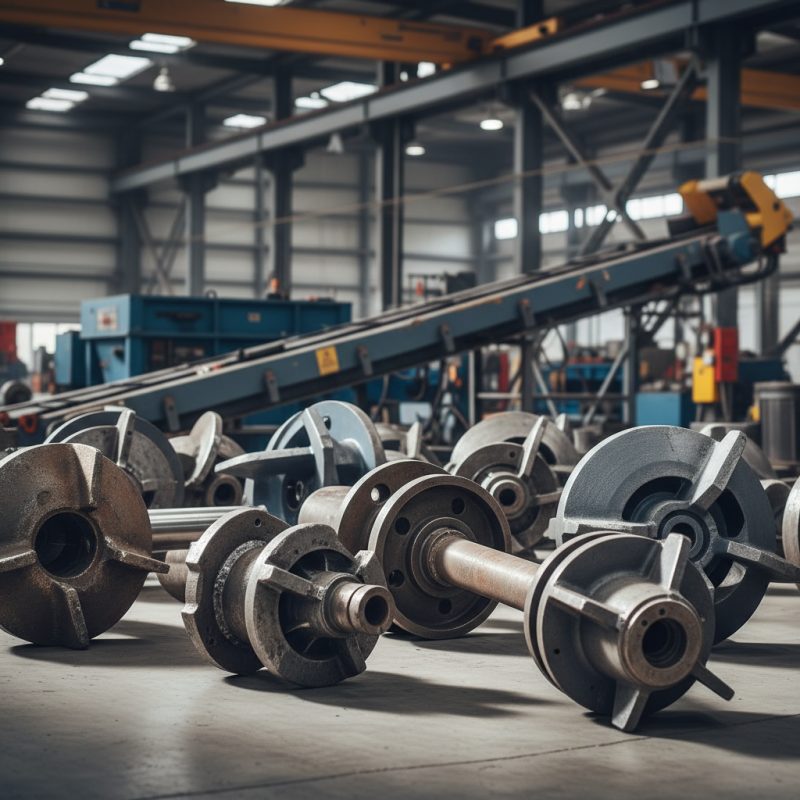
Understanding Concrete Plant Mixing Rotors: A Key Component in Production
Concrete plant mixing rotors play a crucial role in the production process. These components are essential for ensuring that materials are mixed uniformly. A well-functioning rotor can significantly improve the quality of concrete, which directly affects the final product's strength and durability.
When choosing a mixing rotor, consider factors like design and material. Rotors made from high-quality steel usually last longer. However, not everyone can afford premium options. Sometimes, the choice boils down to specific production requirements. A rotor that works well for one plant might not be efficient for another. This complexity adds a layer of difficulty to the selection process.
Different mixing techniques can yield varying results. For instance, a high-speed rotor will mix faster but may not blend aggregates thoroughly. On the other hand, low-speed rotors provide better accuracy. Operators need to evaluate their operational needs against the characteristics of the rotors. This introspection can help in making an informed decision. Understanding these nuances may lead to better outcomes in production efficiency.
Top China Concrete Plant Mixing Rotor Options
Types of Concrete Plant Mixing Rotors Available in China
When exploring concrete plant mixing rotors in China, it's essential to understand the types available. Mixing rotors play a critical role in achieving consistent quality in concrete production. In China, the market is diverse, offering various designs tailored for specific applications. The two primary types are planetary and horizontal shaft rotors. Planetary rotors excel in blending materials evenly, particularly in small batches. Conversely, horizontal shaft mixes larger volumes efficiently.
A report by MarketResearch.com indicates that the demand for high-performance mixing equipment is increasing. This surge stems from the construction industry's growth. In 2022, the concrete machinery market reached a value of over $20 billion, reflecting a robust interest in quality and innovation. Users often note that selecting the right rotor can impact the mixing process significantly. It's not uncommon for operators to face challenges with wear and tear on rotors, necessitating regular maintenance and upgrades.
Consideration of material type is crucial when selecting a rotor. The durability of the rotor material can affect overall performance. Rotors made from high-strength steel may offer longevity, but operators should remain aware of corrosion risks. While many producers are improving rotor designs, industry feedback suggests there’s always room for innovation. Regular updates in technology could lead to more efficient, cost-effective options in the future.
Factors to Consider When Choosing the Right Mixing Rotor
When selecting a mixing rotor for concrete plants, several factors come into play. Durability is paramount. Mixing rotors experience significant wear and tear. According to industry reports, choosing high-quality materials can extend the rotor's life by up to 30%. Steel alloys are often recommended for their strength and resistance to corrosion.
Another vital aspect is the rotor’s design. A well-designed rotor promotes uniform mixing, reducing the risk of inconsistent concrete quality. Research indicates that using advanced geometry in rotors can enhance mixing efficiency by 15%, leading to better workability and durability in the final product.
Tips: Opt for rotors that offer adjustable speeds. This feature allows for flexibility in different mixing applications. Also, consider the ease of maintenance. Rotors that are simpler to service will reduce downtime. Choose a manufacturer with a strong reputation in the industry. Their expertise can provide additional insights and support in selecting the best rotor for your specific needs.
Top China Concrete Plant Mixing Rotor Options for Your Needs
| Rotor Type | Mixing Capacity (m³/h) | Material Compatibility | Weight (kg) | Price Range (USD) |
| Single Shaft | 20-25 | Concrete, Asphalt | 800 | 5000-6000 |
| Twin Shaft | 30-40 | Concrete, Grout, Mortar | 1200 | 7000-9000 |
| Pan Mixer | 15-20 | Concrete, Refractory | 600 | 3000-4000 |
| Planetary Mixer | 25-35 | Concrete, Stiff Mixes | 950 | 6000-8000 |
| Self-Loading Mixer | 10-15 | Concrete | 700 | 4000-5000 |
Comparative Analysis of Top Rotor Options in the Chinese Market
When choosing a concrete plant mixing rotor, it’s essential to understand the options available in the Chinese market. A comparative analysis reveals various rotor designs, each catering to specific needs. The geometry and material of the rotor significantly affect mixing efficiency and durability. Some rotors are optimized for different types of concrete mixtures, ensuring a more homogeneous blend.
Tips: Look for rotors made from high-quality materials. They may cost more upfront but lead to better performance and longevity. Consider the maintenance needs of different designs. Some rotors require frequent upkeep, which can be a hassle over time.
A deeper look into the specifications can help identify the right fit. Rotors with adjustable mixing speeds are versatile for different projects. If you plan on working with various concrete types, this feature is invaluable. Yet, not all contractors consider this aspect initially. Reflecting on past installations can offer insights into improving future choices.
Maintenance Tips for Enhancing Rotor Longevity and Performance
Maintaining the longevity and performance of concrete plant mixing rotors is essential for optimal operation. Regular maintenance can prevent costly breakdowns and enhance productivity. Simple steps can make a significant difference in rotor lifespan.
One effective tip is to regularly inspect the rotor for wear and tear. Check for cracks or uneven surfaces, as these can affect mixing efficiency. Early identification of issues allows for timely repairs. Additionally, lubricate the bearings and moving parts frequently. This reduces friction and the risk of overheating, which could compromise performance.
It is also crucial to monitor the materials being mixed. Using inappropriate aggregates can lead to excessive wear. Keep a close eye on the quality of raw materials. Avoid mixing materials that are too abrasive or corrosive. This can extend the life of your rotor significantly.
Lastly, maintain proper operating speeds and avoid overloading the mixer. Both can negatively impact the rotor’s condition. Remember, even small adjustments in operation can yield significant long-term benefits. Implementing these maintenance tips will enhance the performance of your mixing rotors effectively.