Top 10 Benefits of WPC Wall Cladding for Global Buyers?
WPC Wall Cladding has transformed the construction and design industries. As a sustainable alternative to traditional materials, it combines wood and plastic fibers. Recent industry reports indicate a growing trend. The Global WPC market is projected to reach $9.89 billion by 2027, reflecting a compound annual growth rate (CAGR) of around 11.3%. This growth signals a shift in consumer preferences towards eco-friendly materials.
The benefits of using WPC Wall Cladding are diverse and impactful. It offers durability, resistance to moisture, and ease of maintenance. In contrast to wood, WPC requires less frequent replacement. However, potential buyers need to consider the initial investment cost. Weighing long-term savings against upfront expenses can be complex.
Moreover, WPC Wall Cladding enhances aesthetic appeal, allowing for a variety of designs. Yet, not all products are created equal, and quality can vary significantly. Buyers must seek out reputable manufacturers to ensure longevity and performance. Careful evaluation of options is critical for making the best choice.
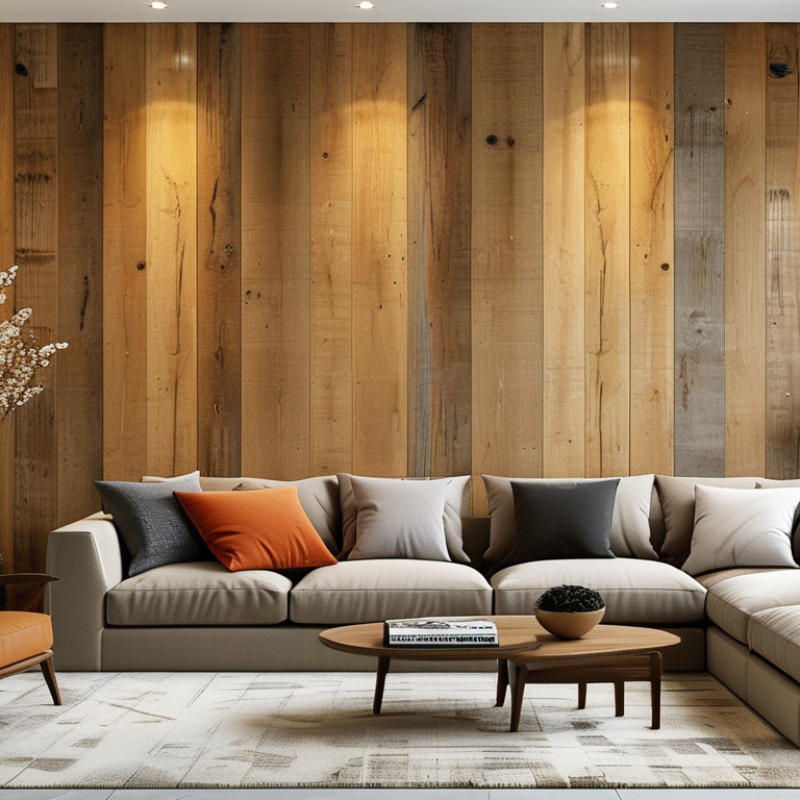
Benefits of WPC Wall Cladding: A Sustainable Building Material Choice
WPC wall cladding has emerged as a preferred choice for sustainability in modern construction. Composed of wood fibers and recycled plastics, it offers a viable alternative to traditional materials. According to the Forest Stewardship Council, sustainable sourcing of materials helps reduce deforestation rates significantly. This aspect alone makes WPC an attractive option for environmentally conscious builders.
The durability of WPC wall cladding is another compelling benefit. It is resistant to moisture, insects, and decay. In a recent report by Grand View Research, the market for sustainable building materials, including WPC, is projected to expand by 12.7% annually. This data indicates the growing reliance on materials that align with green building standards. Furthermore, installations save energy compared to standard siding, thanks to its insulating properties.
Like any material, WPC does have its limitations. Some buyers report concerns about fading over time due to UV exposure. While manufacturers now use advanced surface treatments to mitigate this, it remains essential for buyers to research appropriately. There are also questions about the recyclability of WPC at the end of its life cycle. It highlights the need for ongoing innovation in sustainable materials.
Economic Advantages: Cost Savings in Installation and Maintenance
WPC wall cladding offers significant economic advantages for buyers. One of the primary benefits is cost savings during installation. Unlike traditional materials, WPC is lighter and easier to handle. This translates to lower labor costs and quicker project completion times. Many construction teams find that using WPC reduces the overall manpower needed, which is vital in tight deadlines.
Maintenance is another area where WPC shines. Traditional wood can warp, crack, or decay over time. WPC, however, is resistant to many of these issues, leading to lower upkeep expenses. With minimal need for coatings or repairs, homeowners and property managers can save money. Regular cleaning is generally sufficient to keep WPC looking new and functional.
While WPC's benefits are clear, some buyers may have reservations. Concerns about its long-term durability and environmental impact are common. Buyers should do thorough research to understand these factors. Assessing product specifications and comparing them to other materials is essential. Ultimately, making an informed decision ensures that economic advantages align with personal values and priorities.
Durability and Longevity: Performance Data on WPC Compared to Traditional Woods
WPC (Wood Plastic Composite) wall cladding stands out for its impressive durability and longevity. Research indicates that WPC materials can last over 25 years. In contrast, traditional wood often requires replacement or significant maintenance within 10-15 years. This significant difference is due to WPC’s resistance to moisture, rot, and insects, making it a reliable choice for various climates.
Data from industry reports reveals that WPC cladding maintains color and structural integrity better than traditional woods. For instance, a recent study concluded that WPC materials lose only 20% of their original color after 5 years of sunlight exposure, while untreated wood can fade much faster. However, the surface can still experience some wear and tear over time.
Another aspect worth noting is the ease of maintenance. WPC requires minimal upkeep, usually just a wash with soap and water. Yet, it is essential to be aware that scratching can occur, and preventive measures are recommended. While WPC does offer significant advantages, potential buyers should consider all factors, including long-term performance and aesthetic preferences.
Top 10 Benefits of WPC Wall Cladding for Global Buyers
| Feature | WPC Wall Cladding | Traditional Wood |
| Durability | 15-25 years | 5-10 years |
| Water Resistance | Excellent | Moderate |
| Maintenance | Low | High |
| UV Resistance | High | Low |
| Environmental Impact | Recyclable | Deforestation |
| Cost | $10-$15 per sq. ft. | $12-$20 per sq. ft. |
| Aesthetic Options | Multiple finishes | Limited |
| Termite Resistance | Yes | No |
| Weight | Lightweight | Heavy |
| Thermal Properties | Better insulation | Poor |
Aesthetic Versatility: Design Options and Market Trends in WPC Cladding
WPC wall cladding is gaining popularity for its aesthetic versatility. Designers have a wide range of textures and colors to choose from. Many options mimic natural wood, which adds a warm touch to any space. However, not all products look authentic. Some may appear overly synthetic, detracting from the overall design.
Market trends indicate a shift towards innovative designs. Buyers increasingly prefer eco-friendly materials. WPC cladding meets this demand while providing longevity and durability. Despite its benefits, potential issues arise. Some low-quality WPC products may suffer from fading or warping over time. Researching materials and suppliers is essential to avoid these pitfalls.
Architects and interior designers appreciate the adaptability of WPC cladding. It suits both modern and traditional styles. However, balancing aesthetics with practicality is crucial. Choosing the right design can significantly impact functionality. Customization is also a growing trend, allowing for unique installations that reflect the buyer’s vision.
Environmental Impact: Recycling Statistics and Eco-friendliness of WPC Products
Wood Plastic Composite (WPC) products are increasingly popular for their eco-friendliness. According to a 2022 industry report, WPC materials can incorporate up to 70% recycled wood and plastics. This high recycling content significantly reduces waste and environmental impact. WPC production consumes less energy compared to traditional materials like wood or concrete.
However, the environmental benefits of WPC extend beyond recycling. WPCs are designed to be durable and low-maintenance, which means they don’t require harmful chemical treatments. Studies show that WPC wall cladding lasts longer than conventional wood, ultimately reducing the frequency of replacements. Yet, some question the sourcing of wood fibers, highlighting the need for responsible forestry practices.
Despite these advantages, challenges remain. The production process can generate waste and emissions if not managed correctly. A 2021 environmental assessment noted that not all manufacturers meet high sustainability standards. Buyers need to research and select products that adhere to recognized eco-friendly certifications. Only then can the true potential of WPCs as sustainable building materials be realized.
Top 10 Benefits of WPC Wall Cladding for Global Buyers